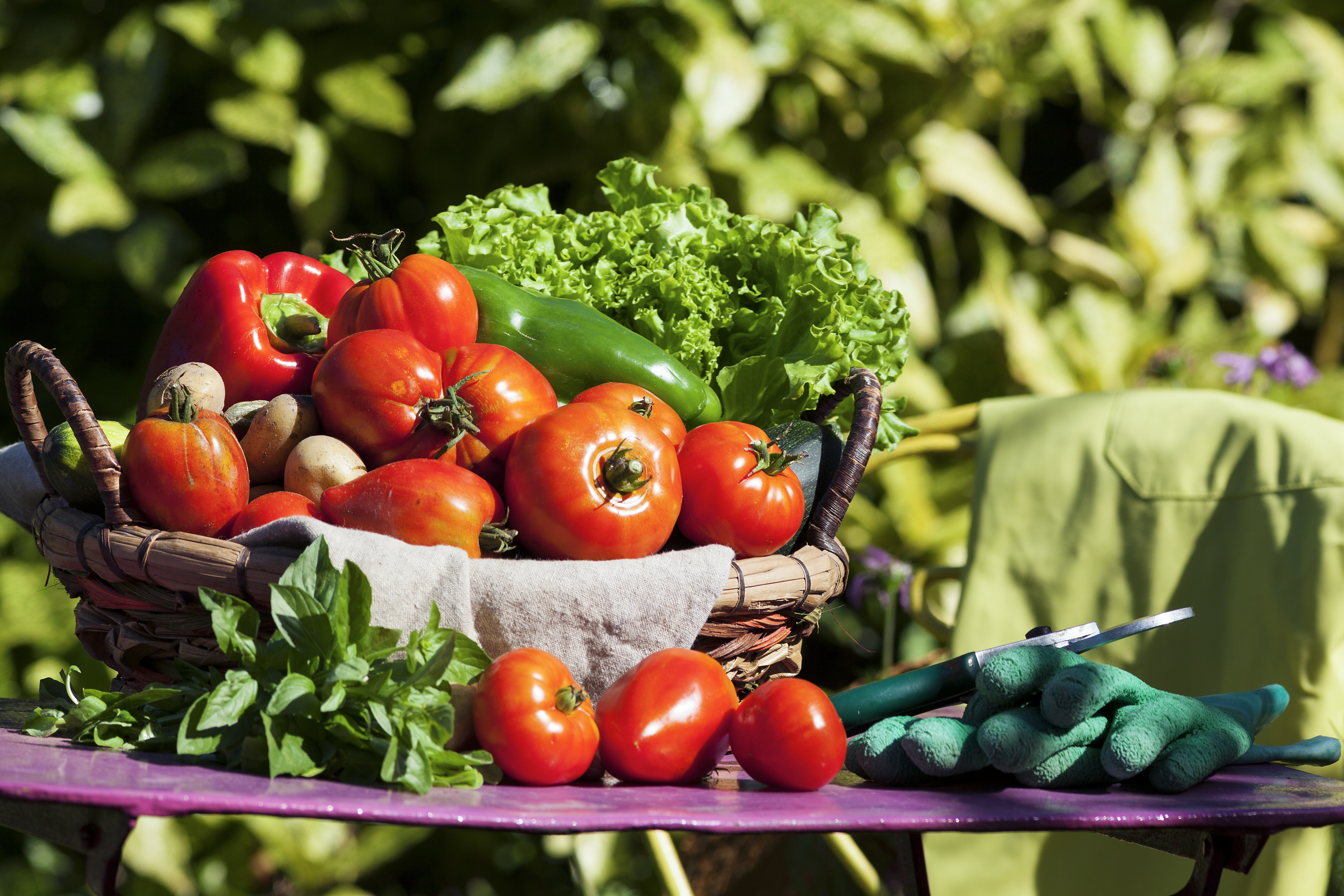
There are so many good reasons to start a garden- for the satisfaction of growing your own food, to enjoy spending time outdoors, to continue fond memories of gardening as a family, and to know how your food is raised. Another common reason people start gardening is to save money on food. But, as some like to point out, growing your own food can be more expensive than buying from the store, especially if you factor in your time. Of course nothing beats the flavor and freshness of home-grown food, but is it necessarily the case that growing your own has to be more expensive? It is possible to have a productive garden on a budget, if you get creative with the resources you have available:
Plan a productive garden
Gardening without a plan can work, but if you’re gardening with the goal of saving money a solid plan can help ensure a successful harvest. A good garden plan helps ensure that you only buy the seeds, plants, and inputs you need and that you’re getting the most out of your garden space. Planter helps to make process of planning your garden easy and fun, and you can adjust your plan as many times as you need to hone it in.
When planning a budget-friendly garden, start small. It’s amazing how much produce can come out of a small space, and a small space means fewer tools, fewer inputs, and less weeding and watering. Scale up once you’ve mastered and maxed out your initial space.
When thinking about which plants to grow, focus on the foods your family likes to eat that can be easily grown in your local area. For more information on how to plan a productive garden check out these articles:
Planning the Harvest – What to Plant and When
Succession Planting & Growing Season Strategies
Succession Planting for Nonstop Harvests
Fresh Eating, Preserving, and Planning for Small Spaces
Shop around for garden tools
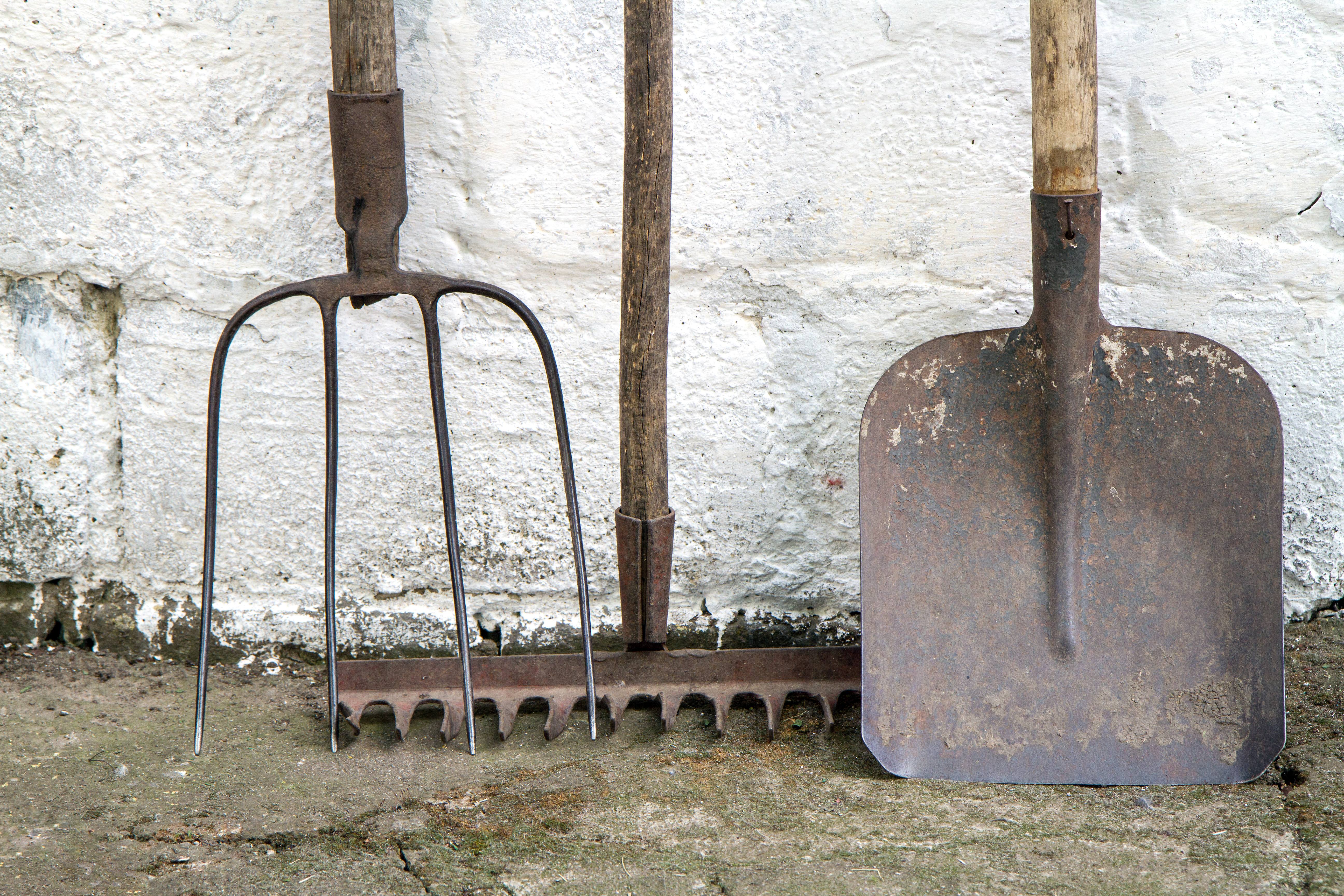
While quality gardening tools are a good investment that can last several years, they are also one of the more expensive up-front gardening costs. If the budget is tight, steer clear of fancy-dancy equipment and stick to the basics- rakes, hoes, shovels, trowels, pruners, watering cans, a garden fork, and a wheelbarrow. While gardening gadgets can offer added benefits and ease some of the learning curve with gardening, they’re not strictly necessary. With a bit of know-how and good technique gardening can be very simple. Only you can decide if a special gardening accessory offers enough potential benefit to you to fit it into the budget.
To find budget-friendly gardening tools, check out auctions, second hand stores, your local garden club, and online used marketplaces (keep safety in mind when shopping the online classifieds). It’s usually pretty easy to find basic used garden tools and they should still have life left in them unless they’ve been really abused. It’s often possible to repair and refurbish garden tools so they can continue being used for many years to come.
If you want to buy new tools or equipment, it pays to shop around and look for sales. Sometimes it can be more cost-effective in the long run to pay more up front for higher quality tools, but if your budget is constrained don’t feel like you have to splurge just to get started. With cheaper quality tools you may need to replace them in a few years, but perhaps by that point your garden will have evolved to where a bigger investment makes sense.
Reuse and upcycle
Many everyday items that we and others throw out can have a second life in a budget conscious garden. There are good reasons to buy supplies specifically designed for gardening, but when budgets are tight these recycled materials can make good substitutes.
For starting seeds and potting up plants, look for containers that can be recycled- yoghurt cups, solo cups, plastic and foil trays can all be used for seed starting. Be sure to add drainage holes so your seedlings don’t sit in excess water and rot. You might also be able to source used seed starting trays and pots from nursery transplants that you can clean and reuse.
Many gardeners have success with container gardening in food-grade 5 gallon buckets. You can sometimes source these inexpensively by asking around at restaurants or delis, or by checking local classifieds. You will need to add drainage holes and invest some money in potting mix to fill them up, but they are a great way to grow a lot of food economically in a small space.
Besides containers, there are many other materials that can be re-purposed in the garden. Used lumber and pallets can be turned into raised garden beds, compost bins, planters, and other garden structures. If the wood is in direct contact with the soil or compost be sure it hasn’t been treated or painted as that could put unwanted chemicals in your food. Wire racks, old wooden ladders, and metal box springs can also be transformed into trellises, arches, fences, and plant holders- creativity is really the limit!
Gather free inputs
Buying garden soil, potting, mix, and soil amendments can quickly add up, but there are lots of free ways to improve the health of your soil and to make purchased soil go further.
If you’re not already composting, composting is the best possible way to turn organic waste into a nutritious soil amendment. If you don’t have space for a compost bin or pile, try bokashi ‘composting’ or worm composting (vermicomposting). Check out Compost: Add Life to Your Garden for more information on composting.
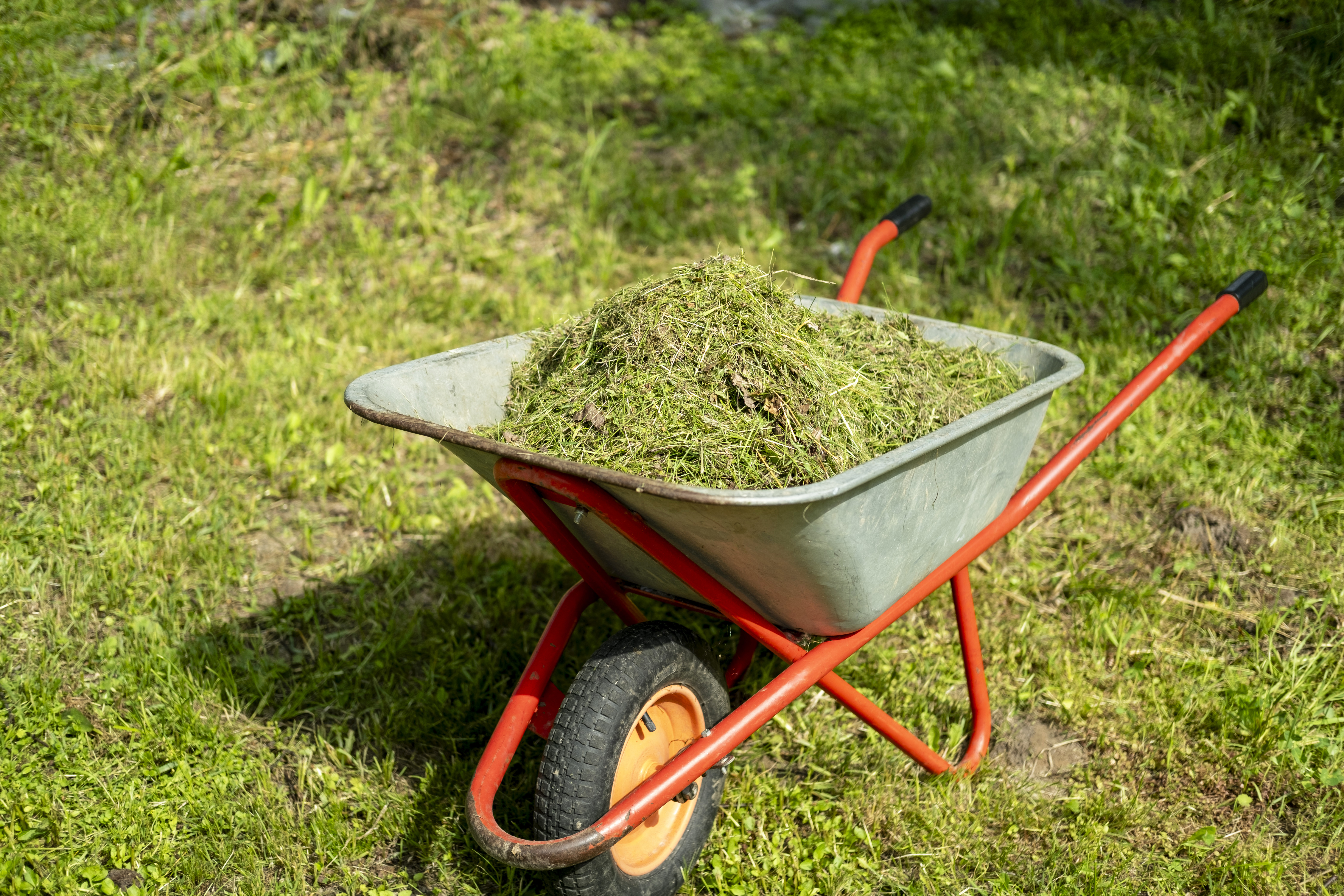
Leaves and grass clippings can be used as garden mulch or as additions to your compost pile. If you don’t have enough in your own yard, offer to collect your neighbors’ as well! Confirm that the grass and leaves haven’t been sprayed with any pesticides, herbicides or other chemicals that could kill your plants or introduce toxins into your food.
Arborists will sometimes drop off free truckloads of wood chips if you ask them; wood chips can be used as mulch in pathways, orchards, and even potentially on your garden beds with some precautions. If you can’t take a whole truckload of wood chips at a time, you can sometimes find other gardeners willing to share their loads of woodchips in online classifieds. Branches and logs can also be used to help fill the bottom of raised garden beds- this saves significantly on the initial cost of filling them with soil mix as you’ll only need to add about 12-18” (30-45 cm) of soil mix on top. The wood will slowly decompose and add nutrients to the bed, and the beds will only need a small annual top-up of soil or compost as the wood breaks down. Branches can also be used to make DIY natural trellises.
If you have free access to livestock manure that can also be a great addition to the compost pile (or to the garden provided it has time to break down before planting). Do not use dog/cat/human manure as it can potentially make you sick, and with other animal manures be sure they haven’t been fed any feed that could contain persistent herbicides as these can have toxic effects on your plants for months or even years to come.
Look for seed swaps and plant sales
Many communities have active garden clubs that host seed swaps and plant sales - often in the spring as the gardening season ramps up. At seed swaps you can usually still get seeds for free even if you don’t have any yet to contribute (in future years hopefully you will!) Through your local garden club you’ll also meet fellow gardeners who you can exchange seeds and plants with directly throughout the year. Some public libraries also now offer seed libraries where you can pick up free seeds.
Plant sales are fundraisers where gardeners donate extra plants for free and you can often buy plants at a reduced cost compared to a garden center. It’s not only garden clubs that offer plant sales- some community and neighborhood organizations host them as well, so be on the lookout.
With seed swaps and plant sales you may not find the exact varieties you were looking for- and you might end up with a few surprises- but as long as you don’t veer too far off course from your garden plan they can be a great way to save money.
Start your own seeds
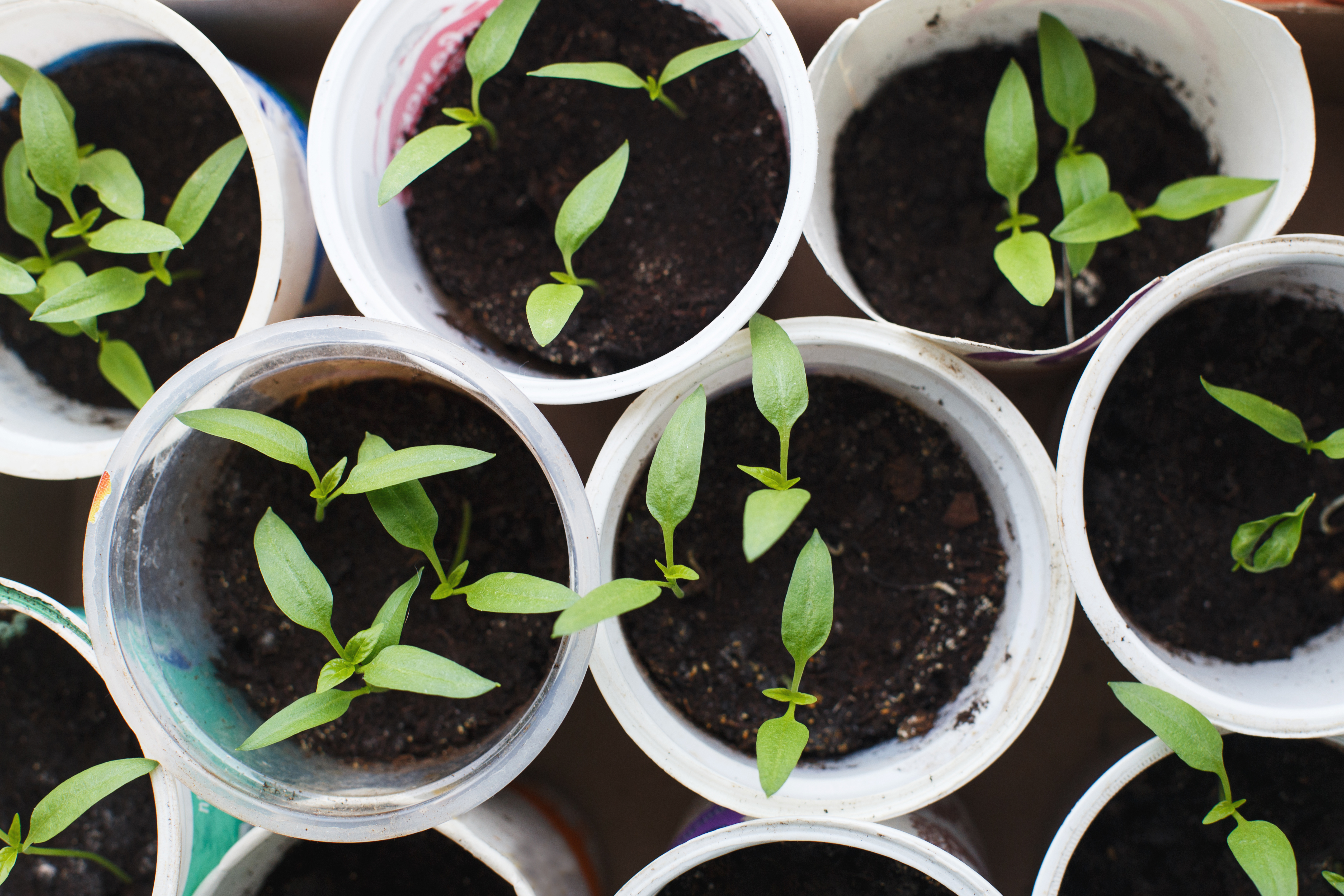
Some plants need to be started indoors or otherwise purchased as transplants from a garden center. If you’re planning to grow more than a couple plants you can save a significant amount of money by starting your own seeds indoors. To start seeds indoors you’ll need some containers and a quality seed starting mix. If possible a grow light can make a huge difference in your ability to start seeds successfully. If you can’t swing a grow light in the budget you can start seeds in a sunny windowsill, but the results can sometimes be poor depending on how much sunlight comes through (especially when days are shorter). Other seed starting equipment such as heat mats, shelves, special trays, and watering systems can help but for the most part these are optional.
Propagate plants from cuttings
Many plants can be grown by taking cuttings from an existing plant and rooting them in water or a moist growing medium. Propagating plants from cuttings is a great way to multiply plants on a budget. Not all plants can be propagated easily from cuttings, so be sure to check before starting. You can find fellow gardeners with plants you can take cuttings from, otherwise some plants can even be propagated from grocery store cuttings- especially certain herbs. For an example of how to do this check out this article on How to Propagate Basil. While it’s ideal to choose plant varieties that are adapted to your climate versus whatever happens to be in the grocery store, if you’re buying herbs to cook with anyways and save a few stems to propagate it can be a cost-efficient way to grow more herbs.
Preserve and use your harvest
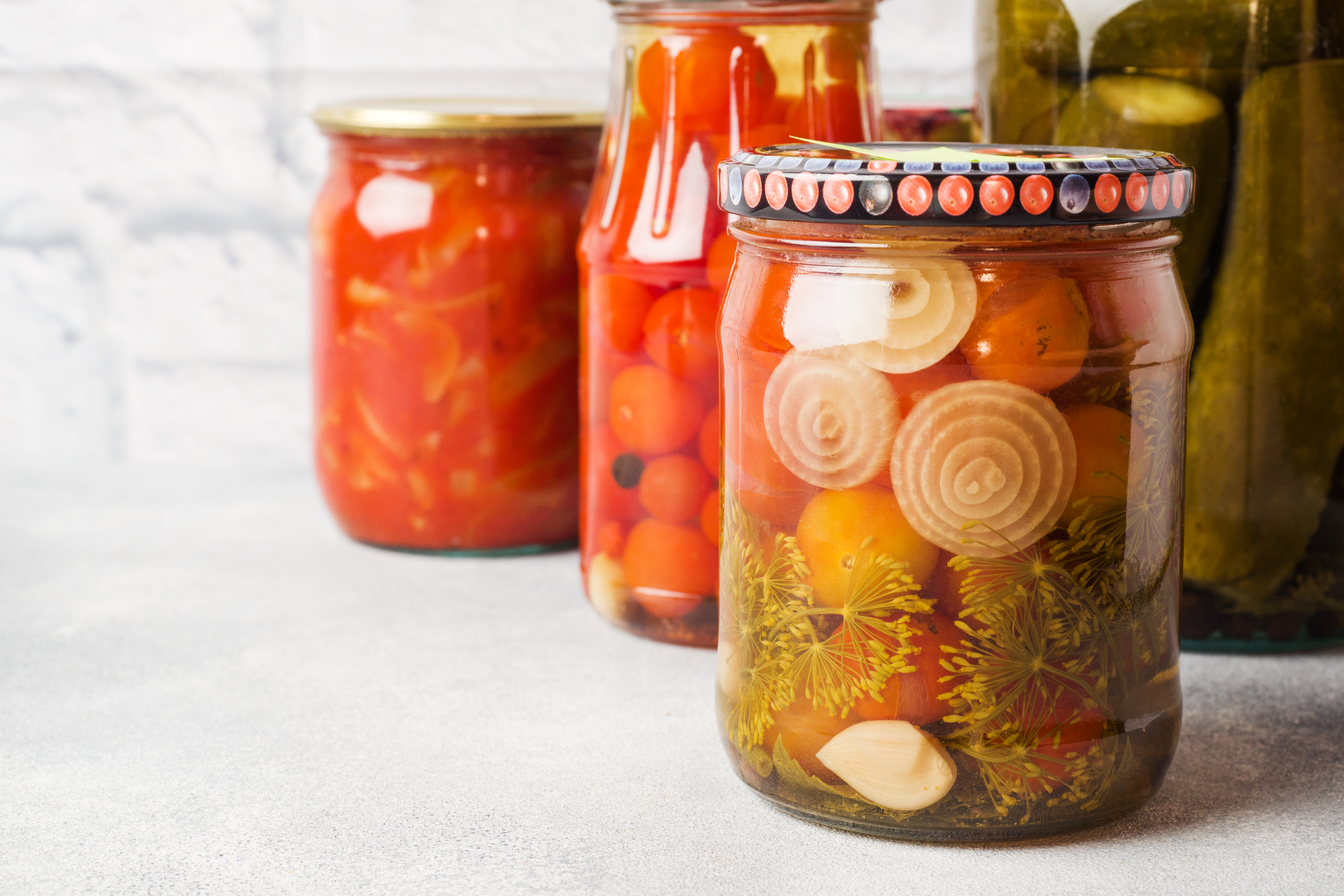
To get the most out of your gardening investments, don’t let your harvest go to waste! Get creative with your cooking to use up what you can, and try different preservation methods to store any produce that you can’t use fresh. To help with this we’ve written several articles that offer inspiration on using and storing your harvest:
Our Favorite Fall Garden Recipes
Use It or Lose It: What to Do with a Veggie Glut
Root Cellaring Without a Root Cellar
If you’re looking to keep fresh produce in your diet without breaking the bank it is possible to garden in a way that saves money. Gardening offers so many benefits beyond money savings, though. From a strictly financial point of view gardening might not be the best time investment, but if gardening brings you enjoyment and fulfillment it is well worth doing.