Soil problems can be difficult to diagnose. When plants struggle, it is not always obvious whether the problem is poor drainage, low organic matter, compaction, exhausted biology, or some combination of these.
Most soil improvements fall under the broad category of soil amendments, but these amendments generally serve two very different purposes: conditioning and rejuvenation.
Put simply, is your soil biologically active but physically unsuitable for plant growth? Is it structurally sound but biologically depleted? Or is it struggling on both fronts?
Understanding this distinction is important because treating the wrong problem can worsen existing issues or accomplish very little.
In this article, we’ll explore the difference between soil conditioning and soil rejuvenation, how to identify which issue your garden is facing, and which solutions are best suited to each.
Soil Amendments
Garden soil is rarely ideal for growing plants without some level of intervention. Compaction, erosion, low organic matter, poor drainage, and extreme climate conditions can all limit healthy plant growth.
Soil amendments are materials added to the soil to improve these conditions. Some, such as compost or mulch, are familiar to most gardeners, while others are more specialized.
For a deeper look at some less common amendments, Jessalyn has already written an excellent article on the subject: Uncommon Soil Amendments for Your Garden
Soil amendments influence one or both of two things: the physical structure of the soil and the biological activity within it. Understanding the difference between those goals is what separates soil conditioning from soil rejuvenation.
Soil Conditioning
Soil conditioning focuses primarily on improving the soil’s physical structure.
Conditioning amendments help resolve issues such as:
- compaction
- poor drainage
- erosion
- low water retention
- difficult soil textures such as heavy clay or excessively sandy soils
Many conditioning amendments are physical materials. Compost, mulch, and leaf mold, for example, improve soil structure and the soil’s oxygen-holding capacity. Other amendments, such as sand, grit, gypsum, or lime, may alter drainage, texture, or soil chemistry depending on the problem being addressed.
While conditioning can indirectly improve nutrient availability and biological activity (and should because the two are interconnected), its primary goal is to make the soil physically more suitable for root growth and water movement.
Soil Rejuvenation
Soil rejuvenation focuses on biological health, particularly bacteria, fungi, insects, and other microorganisms, which are essential components of a healthy soil ecosystem. These organisms break down organic matter, cycle nutrients, improve soil structure, and support long-term plant vitality.
Unlike soil conditioning, which primarily addresses physical structure, soil rejuvenation aims to restore the living systems within the soil itself.
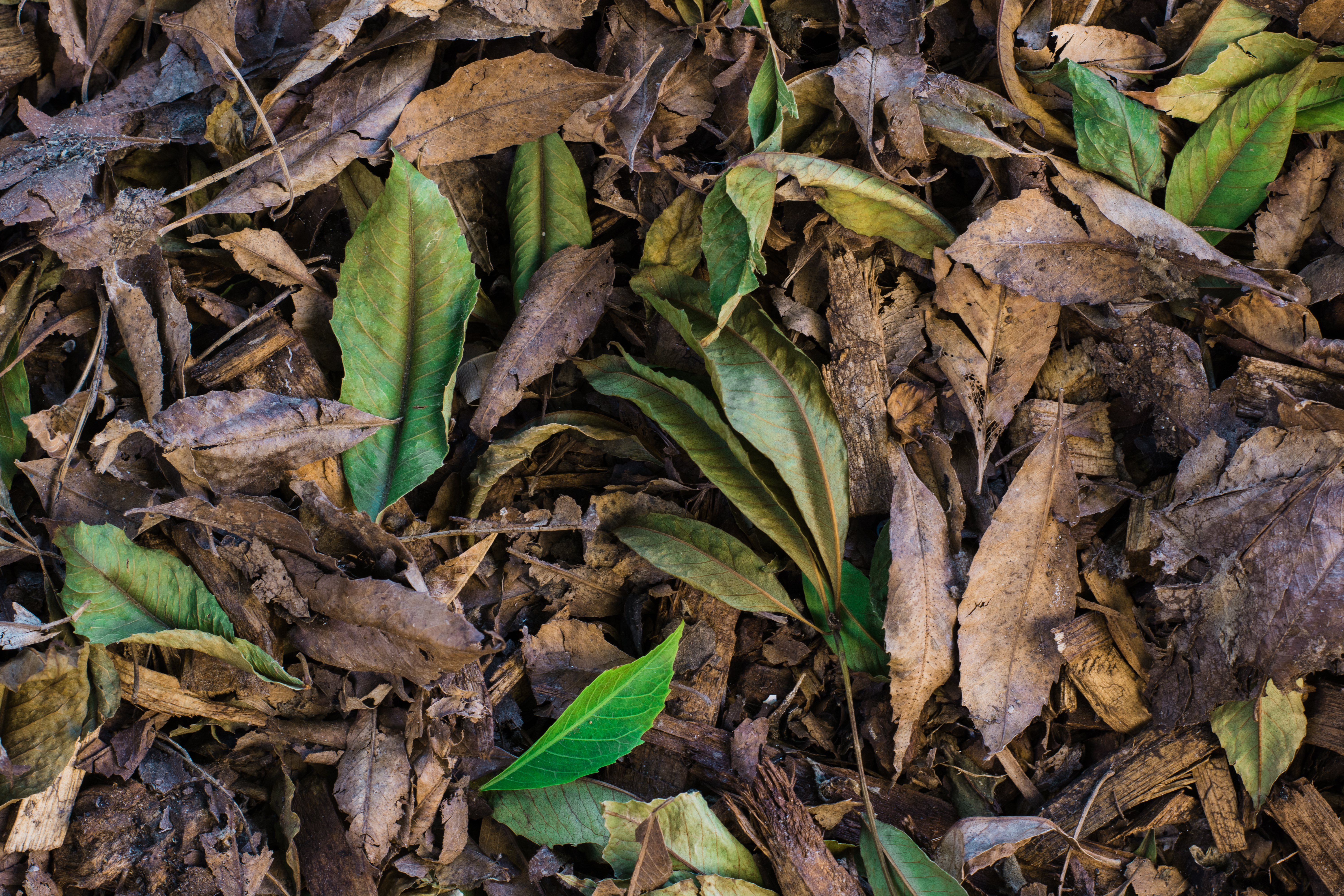
Many methods used to rejuvenate soil also overlap with conditioning practices. Mulch and leaf mold, for example, help moderate soil temperature and moisture while gradually releasing organic matter into the soil. This creates a more stable environment for decomposers and other microorganisms to thrive.
How They Connect
Soil conditioning and soil rejuvenation are tightly interdependent.
Compacted or poorly structured soils limit air and water movement, creating difficult conditions for decomposers such as bacteria, fungi, and other microorganisms. Without that biological activity, organic matter breaks down more slowly, and fewer nutrients become available for plant uptake.
In turn, soils lacking biological activity struggle to maintain healthy structure over time, as organic matter is not being continuously processed, integrated, and renewed.
Together, this creates a feedback loop: physical structure influences biological activity, and biological activity influences soil structure.
How to Know Which One I Need to Do
In practice, most gardens benefit from both soil conditioning and soil rejuvenation.
A useful way to think about it is this: are your plants struggling because the soil is physically difficult to grow in, or because it is biologically inactive?
Looking for Signs
Soil health can be understood through a combination of sensory cues, water behaviour, plant response, and biological activity. No single sign is definitive on its own, but patterns across these categories can help identify whether the primary issue is structural, biological, or both.
Sensory indicators
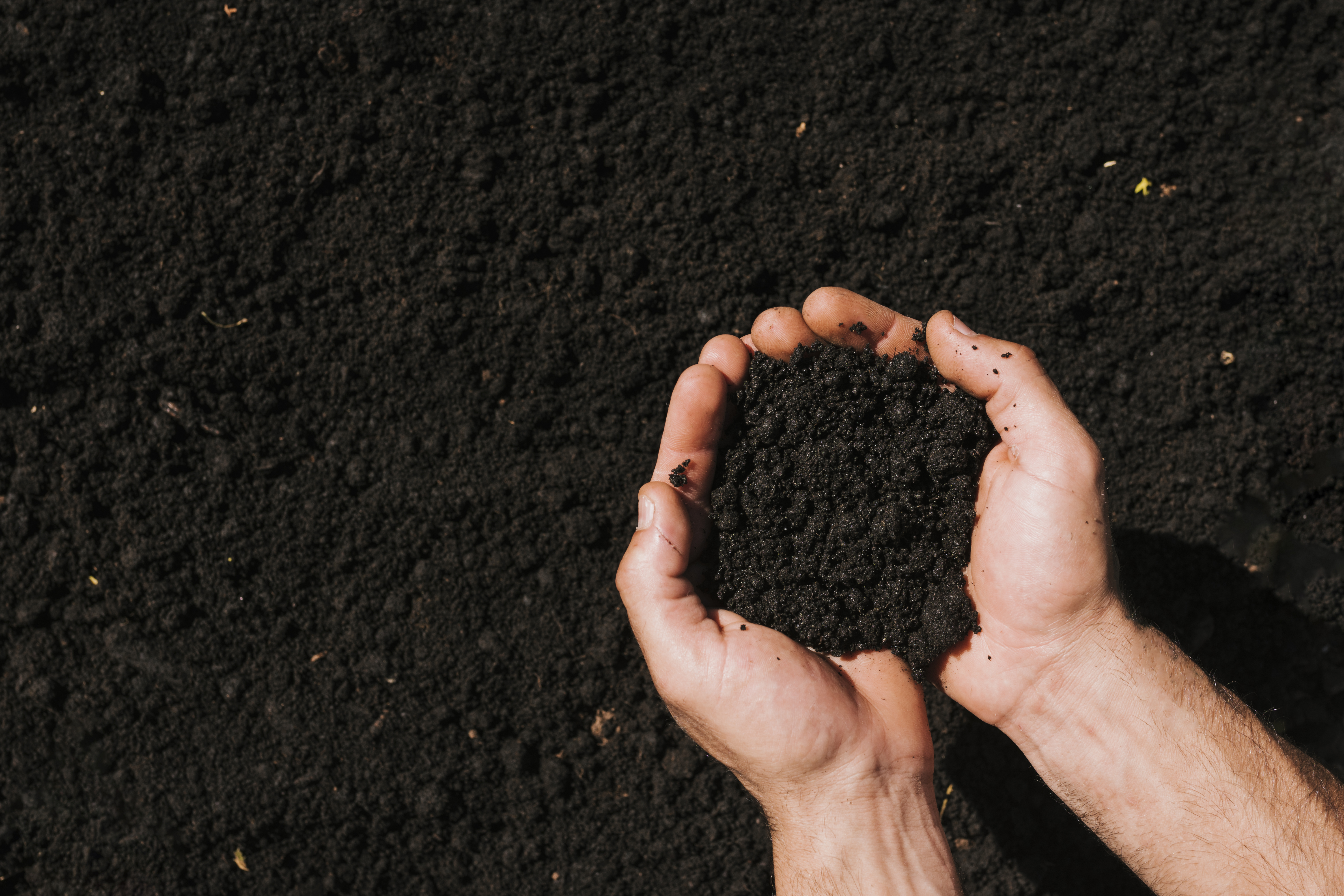
Healthy soil is often easy to recognise by feel and smell. It typically has a rich, earthy aroma and a darker color. When handled, it should compress slightly under pressure but still break apart easily rather than forming dense clods. Anecdotally, it should ‘feel alive,’ structured, and crumbly without being loose or dusty.
Read up on leaf mold here: Leaf Mold: Nutrient Rich Soil Booster
Water behaviour
- Water pooling on the surface before soaking in often indicates compaction or a sealed surface layer.
- Rapid runoff or uneven wetting can suggest poor structure or inconsistent soil layers.
- If water disappears too quickly without retention, the soil may be overly sandy or low in organic matter.
- Surface crusting after irrigation or rain often means weak binding within the soil; this can limit water infiltration.
Read Jessalyn’s article on soil compaction here: Improving Soil Drainage
Plant response
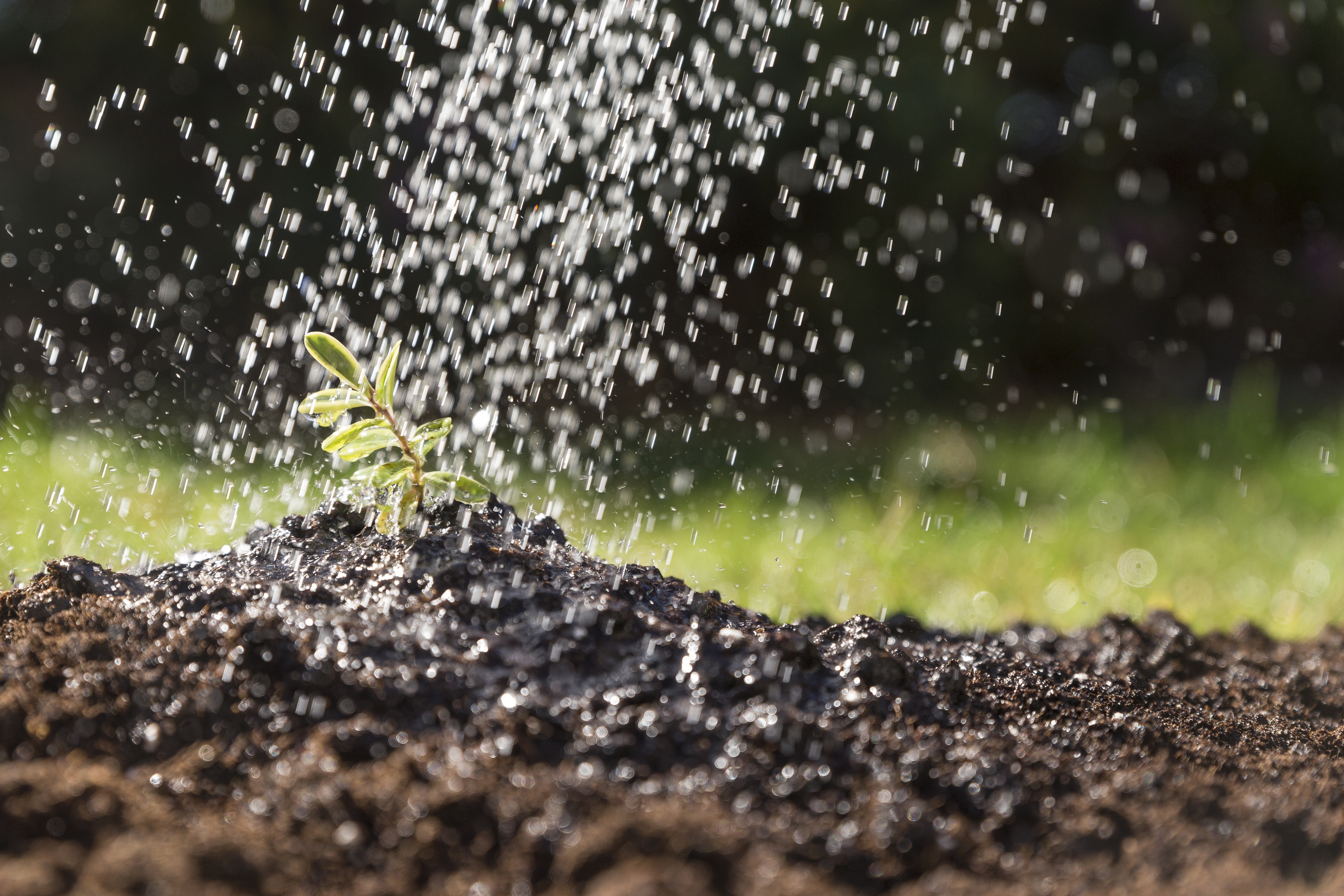
- Slow or stunted growth despite watering or feeding may indicate restricted root movement or poor biological activity.
- Wilting soon after watering can suggest shallow root systems or poor moisture distribution.
- Yellowing leaves without a clear nutrient deficiency pattern can mean poor nutrient cycling in the soil.
Read Erin’s article on compost here: Compost! Add Life to Your Garden
Biological activity
- Earthworms and soil insects are strong indicators of active decomposition and nutrient cycling.
- Fungal threads or mycelium within soil or mulch suggest a functioning biological network.
- Organic matter that breaks down very slowly may indicate low microbial activity.
- Soil that appears dull, dusty, or lifeless even when moist is often biologically depleted.
Read Sarah’s article on soil fungi here: Mycorrhizae 101
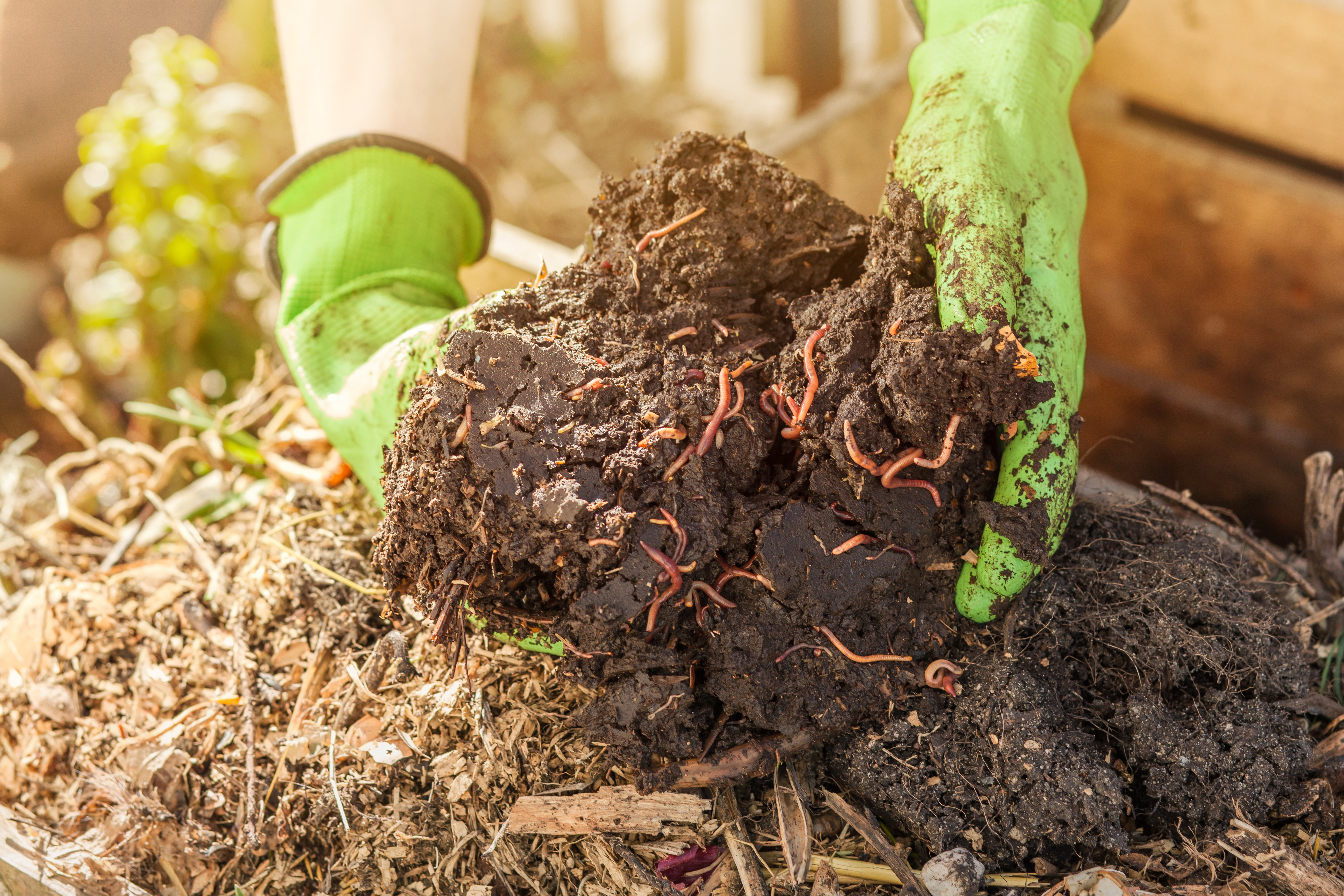
Physical structure determines how easily roots, air, and water can move through soil.
- Hard crusting on the surface after drying suggests poor aggregation.
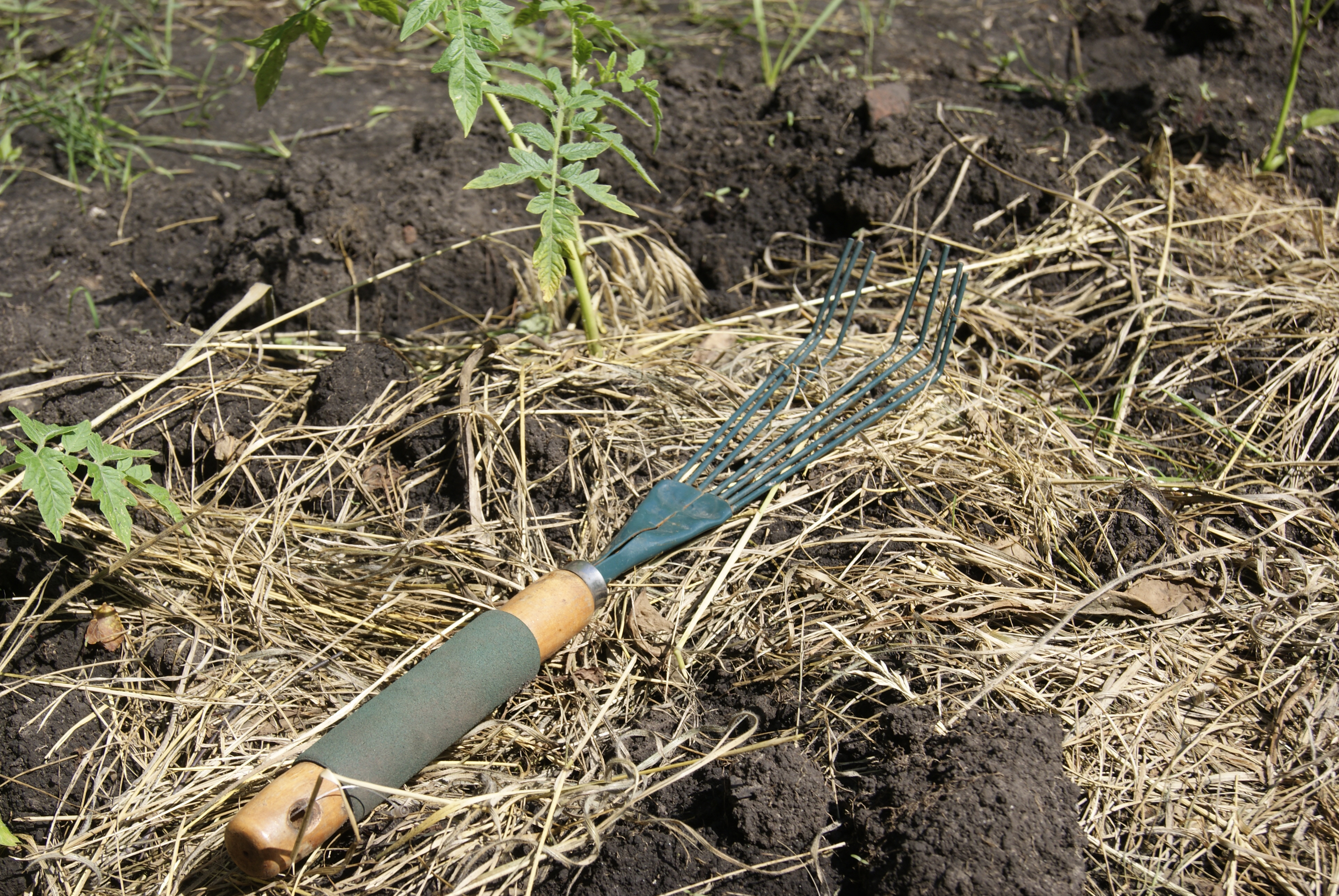
- Soil that is hard to dig may be compacted.
- Layering within the soil can signal long-term compaction.
Read Erin’s guide on mulching here: Mulching is a Must
No single indicator should be treated in isolation. If your soil isn’t holding water, for example, it’s likely poor structure and a lack of soil decomposition. In most gardens, both conditioning and rejuvenation will be required to some degree.
Wrapping Up
Problems rarely come from a single cause, and physical structure and biological activity are always interacting in the background.
Understanding the distinction between soil conditioning and soil rejuvenation gives you a clearer way to interpret what is actually limiting plant growth. Instead of treating soil as a single problem to fix, you can begin to identify whether the constraint is physical, biological, or a combination of both—and respond accordingly.
Over time, this approach leads to more stable, resilient soil and more consistent growing conditions across the garden.