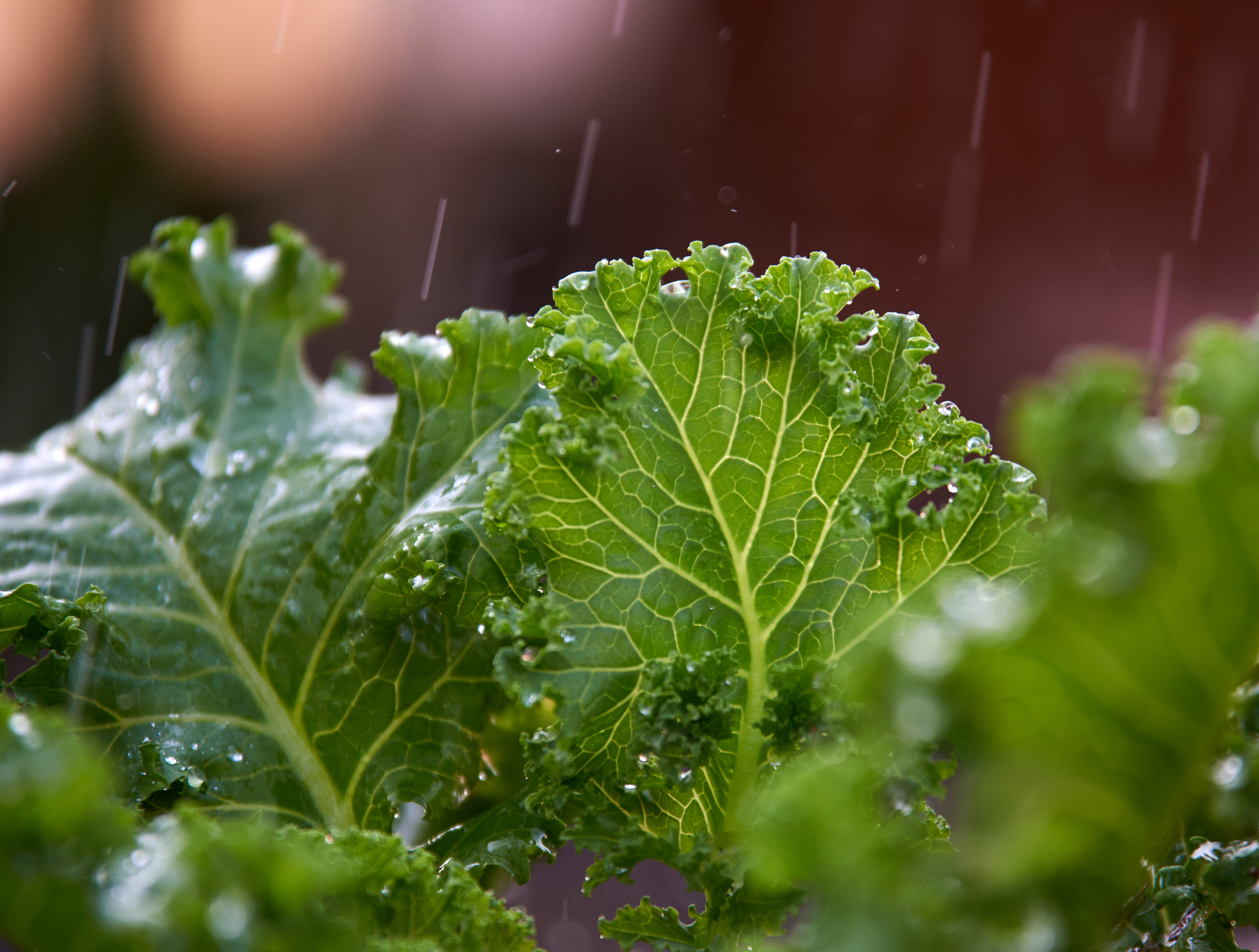
Plants need water to grow, and because the weather is unpredictable at the best of times, supplemental irrigation is often needed for a good harvest and is essential in desert areas.
However, you may have noticed that after a good rainfall, your garden seems to go through a growth spurt. In this article, we’ll break down the differences between rainwater and irrigation water, why rainwater does so much, and how storing rainwater can deliver some of the benefits.
Rainwater Chemistry
All water is H₂O: two hydrogen atoms and one oxygen atom. However, water also carries dissolved minerals, gases, and other substances depending on where it comes from. Some of these are beneficial to plants, while others can build up in the soil over time and become detrimental.
Rainwater contains small amounts of nitrogen, in the form of nitrates – a form that plants can take up easily. Nitrogen is essential for green plant growth, and while this alone is not enough to fully fertilize a garden, it does provide a gentle nutrient input alongside the other environmental effects that rainfall creates.

Rainwater is also typically much lower in dissolved salts and mineral buildup than many municipal or well water sources. Over time, irrigation water can leave behind salts, calcium, and other minerals in the soil, particularly in dry climates where evaporation is high.
Finally, rainwater is naturally slightly acidic, which many plants prefer. In contrast, municipal water is often more alkaline due to dissolved minerals and water treatment processes.
Other Benefits of Rainwater
Rainfall affects more than just soil moisture. A good rain event changes humidity, soil temperature, and biological activity throughout the garden.
During thunderstorms, lightning can convert atmospheric nitrogen into nitrogen compounds that dissolve into rainwater and become available to plants. While the total amount is relatively small, it contributes to the nutrient cycling that often follows rainfall.
Rain also helps flush salts and mineral buildup away from the soil surface, particularly in dry climates where irrigation and evaporation can gradually concentrate minerals over time.
Beyond the soil itself, rainfall washes dust and residue from plant leaves, which can improve light absorption and gas exchange. Increased humidity following rain can also reduce heat stress and slow moisture loss from plant tissues.
Finally, rainfall often penetrates soil differently from irrigation. Slow, soaking rain can encourage deeper moisture movement and activate microorganisms throughout the soil profile, which is one reason gardens often appear to surge with growth after storms.
This does not mean irrigation is ineffective—only that natural rainfall affects several parts of the garden ecosystem simultaneously.
Soil Microbiomes
Soil is full of microbes, and many of these organisms follow seasonal cycles that closely track local rainfall patterns. In dry conditions, microbial activity slows dramatically, particularly in arid climates. When rain finally arrives, bacteria, fungi, and other microorganisms rapidly become active again.
This sudden biological activity accelerates decomposition and nutrient cycling within the soil. Organic material that had been drying on the surface — mulch, leaves, dead roots, and plant debris — begins breaking down more quickly once moisture returns. As these materials decompose, nutrients become more available to surrounding plants, helping drive the flush of growth that often follows rainfall.
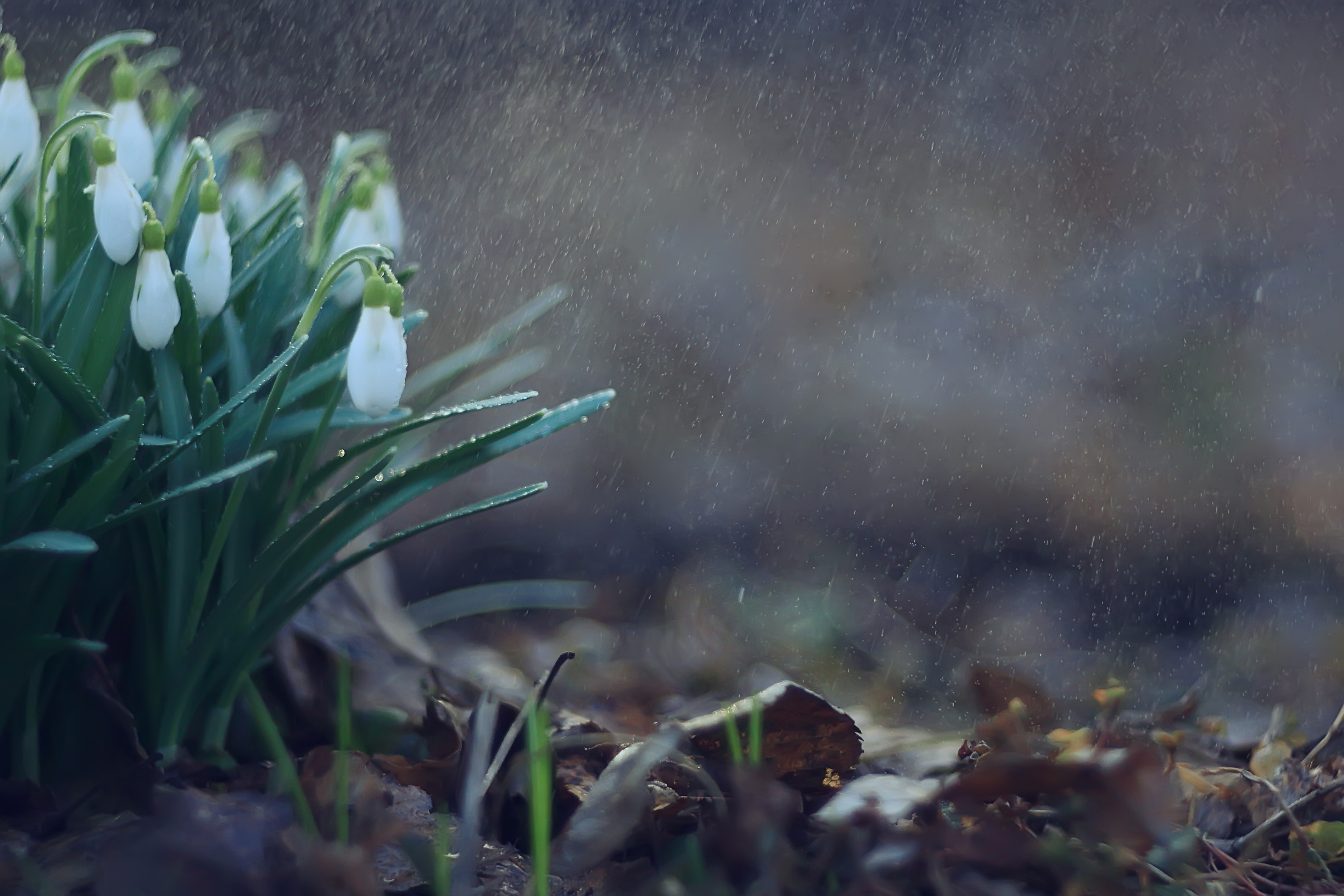
These effects are especially dramatic in desert climates. In arid regions, long dry periods suppress biological activity for months at a time, so when monsoon rains arrive, the response can feel explosive. Dormant grasses green almost overnight, annual wildflowers germinate rapidly, and microbial activity surges as the soil shifts from dry dormancy into a highly active growing environment.
This is part of why gardens in the Southwest often seem to “wake up” after summer storms, even when irrigation has been provided regularly beforehand. Rainfall changes the moisture level of the soil and the broader biological environment surrounding the plant.
Capturing the Benefits After the Rainfall
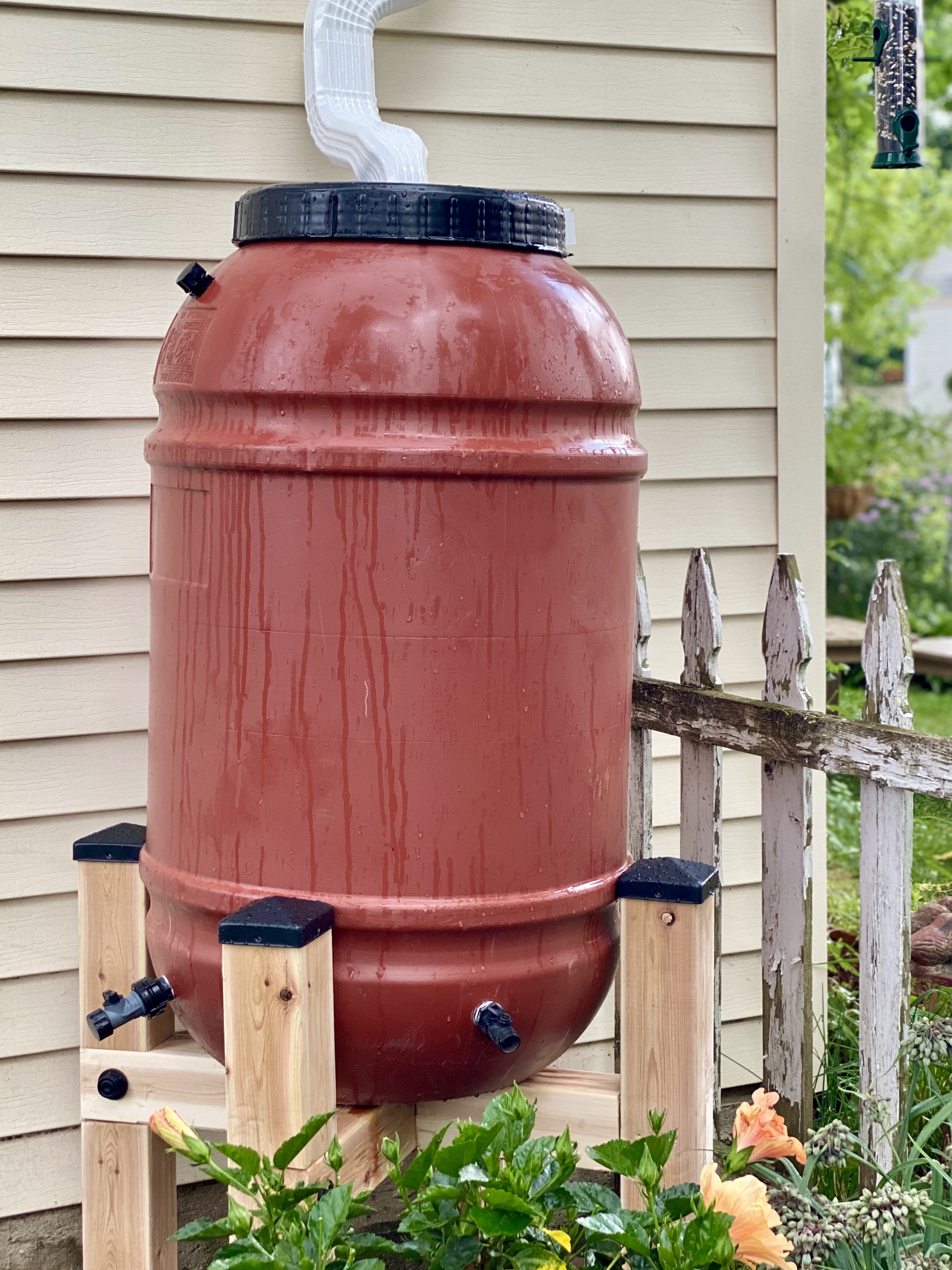
Storing rainwater is the best way to keep some of these benefits coming to your garden between rainfall events. While stored rainwater won’t recreate all of the environmental effects of rainfall itself, you should still see improved plant growth.
You can read Erin’s article on rainwater harvesting here for a great breakdown: Rainwater Harvesting
Using stored rainwater to irrigate plants will:
- Reduce reliance on heavily mineralized irrigation water
- Provide softer water for salt-sensitive plants
- Lower long-term mineral accumulation in containers and raised beds
- Help maintain a slightly acidic soil environment
with the added benefit of reducing your water bill.
One inch of rain falling on a 1,000 sq ft roof is around 600 gallons of water!
Mimicking Some of the Benefits of Rainfall
While irrigation cannot fully recreate the environmental effects of natural rainfall, certain gardening practices can encourage similar soil conditions and biological activity.
Deep, slow watering is one of the most effective methods. Instead of frequent shallow irrigation, soaking the soil more thoroughly encourages deeper root growth. It allows moisture to move further into the soil profile, where microbial activity is often more stable.
Heavy mulching also helps recreate some of the moisture-buffering effects of rainfall. Mulch reduces evaporation, moderates soil temperature, and provides a steady source of organic material for decomposers and fungi. Over time, this creates a more biologically active soil environment that responds more efficiently to irrigation.
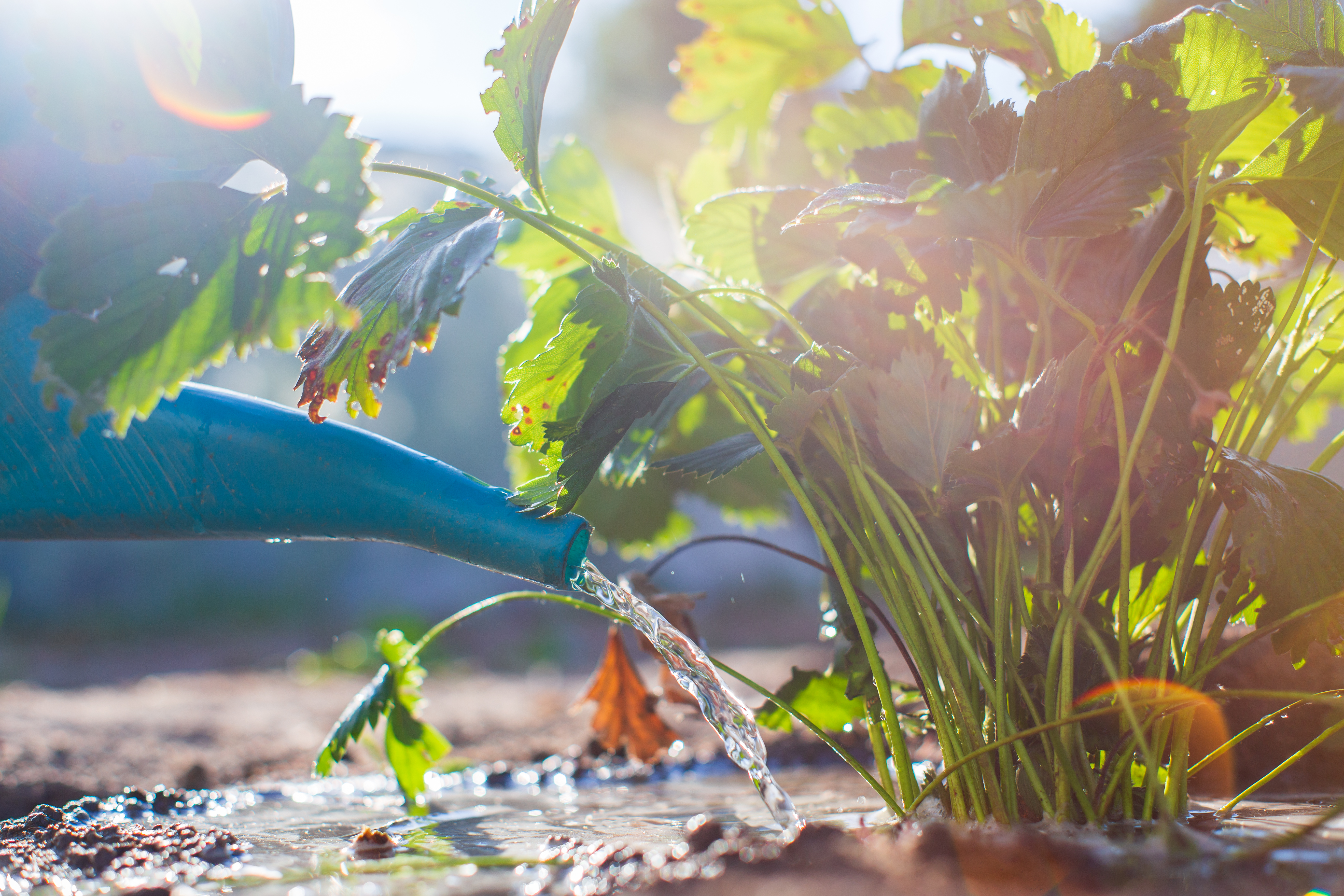
In dry climates, occasional deep watering can also help flush accumulated salts below the root zone, particularly in raised beds and container gardens where mineral buildup is more common.
Finally, reducing soil disturbance can help preserve fungal networks and microbial communities between watering cycles, allowing the soil ecosystem to recover more quickly after dry periods.
You can read Erin’s article on no-till gardening and its benefits here: No-till Gardening
While these methods do not fully replace rainfall, they can help gardens maintain some of the same biological resilience in lower-rain environments.
Wrapping Up
It is difficult to fully replicate the effects of natural rainfall, especially when a single rain event influences so many parts of the garden system at once. However, understanding these processes makes it easier to use rainwater more effectively and to design irrigation systems that support healthier, more resilient gardens.