Nocturnal pollinators are species that primarily visit and pollinate flowers after dusk, although it’s not uncommon to see some during the day. These include moths, bats, beetles, and certain flies that rely on night-blooming or night-scented plants. Many of them have evolved specialized ways to find flowers in low light, such as a strong sense of smell, echolocation, or heat detection, making them essential yet often overlooked contributors to healthy ecosystems.
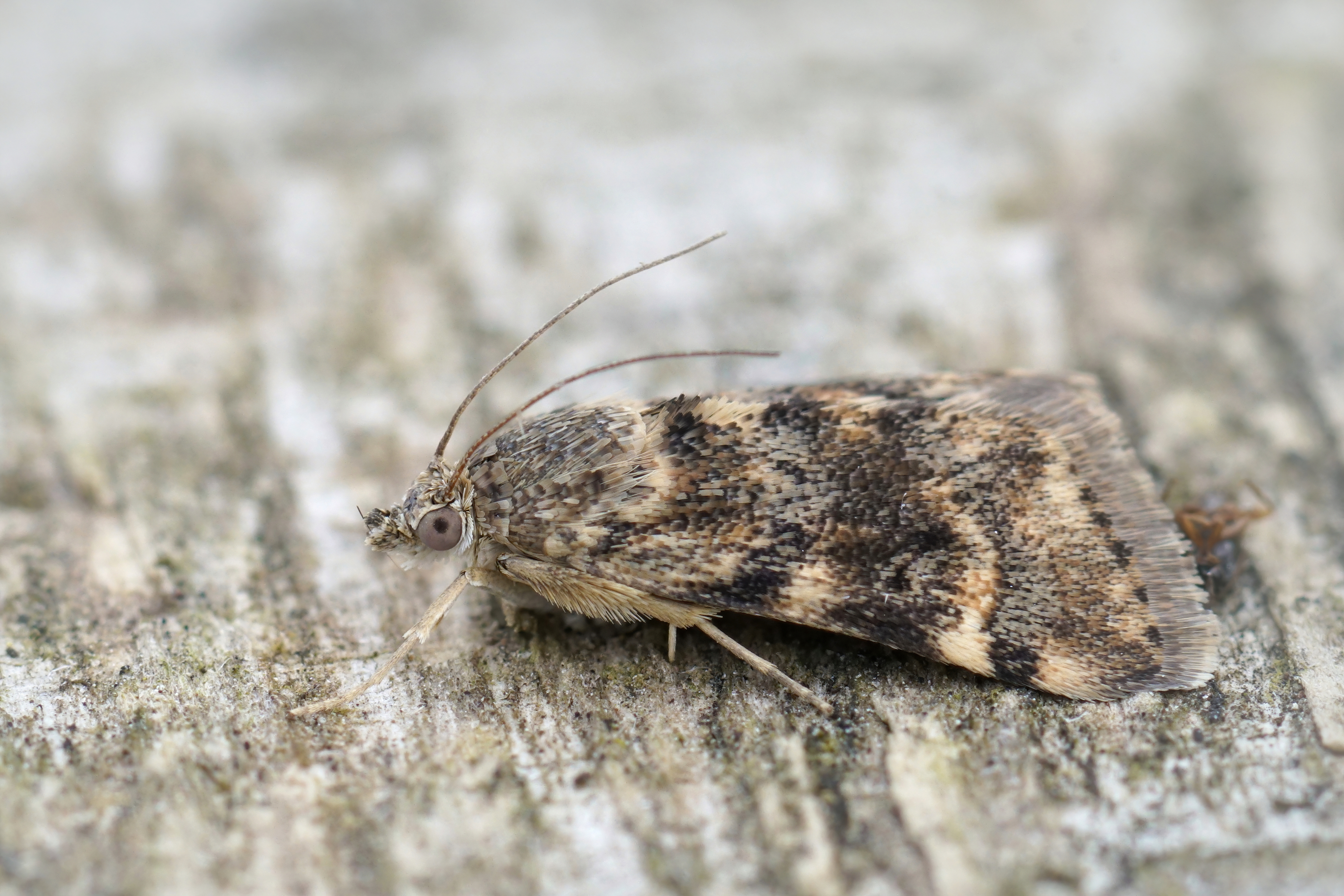
Moths: Some of the most efficient nighttime pollinators. Many can travel long distances, increasing genetic diversity among plants.
Beetles: Among the earliest pollinators to evolve and still essential today, especially for shrubs and woody plants.
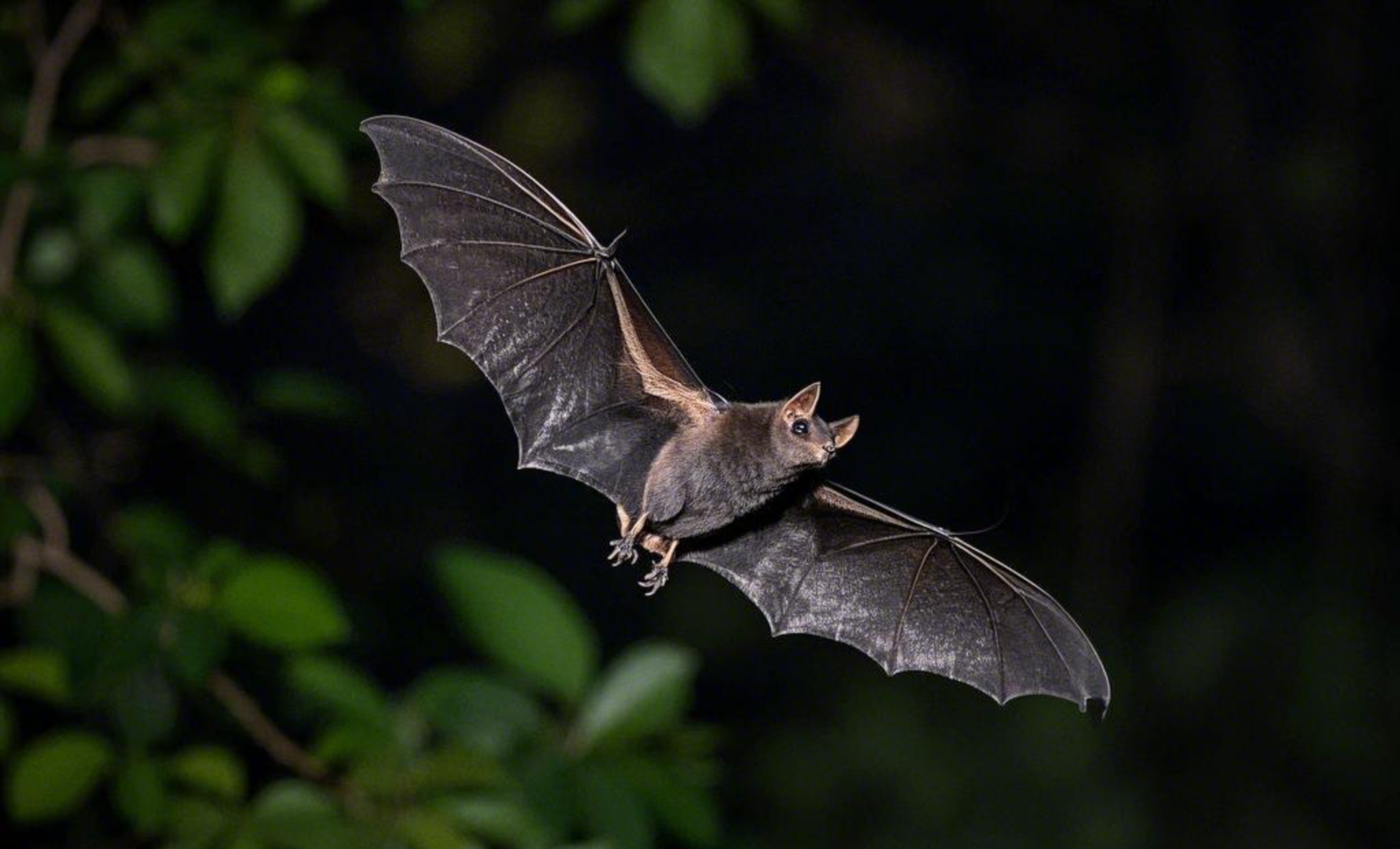
Bats: Important pollinators in warmer regions, deserts, and tropical climates, where they support large night-blooming plants.
Flies: Often overlooked but abundant at dusk and early night, visiting flowers that stay partially open after sunset.
And some bees. Together, they perform much of the nighttime pollination that keeps gardens and wild habitats functioning.
The work of pollination is never over—even after dark. While some flowers close when the sun goes down (a phenomenon known as floral nyctinasty), many remain accessible throughout the night.
Thousands of plants have also evolved to only flower at night, when conditions are more favorable. This is common in desert environments, and many flowers will last only a day or two before closing.
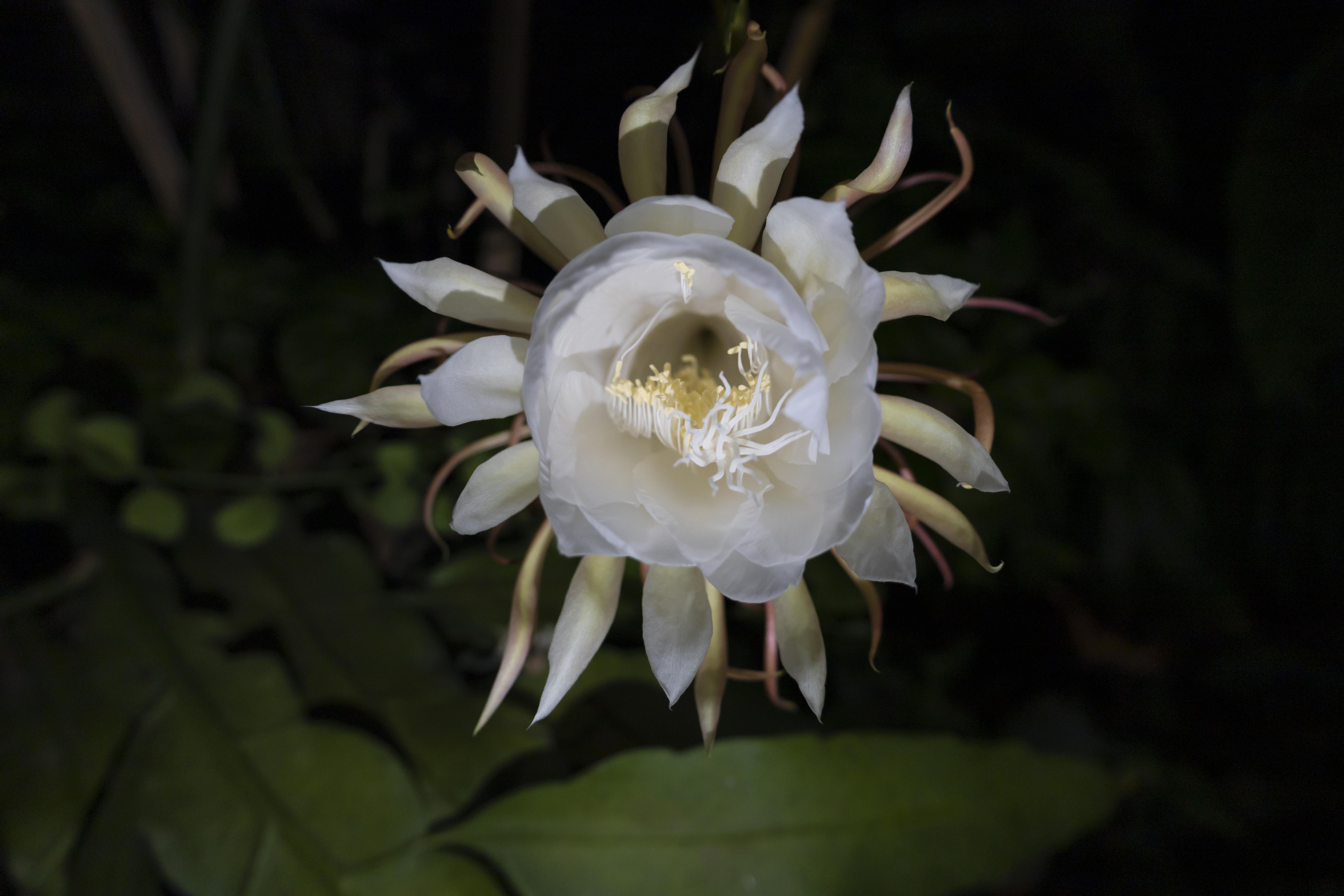
Evening primrose, for instance, opens its petals rapidly at dusk and immediately attracts sphinx moths, which hover like hummingbirds as they feed. In desert regions, night-blooming cereus depends on long-tongued bats for pollination; flowers open for a single night, making their nocturnal visitors critical for survival. These relationships illustrate just how tightly connected many plants are to nighttime pollinators.
Many nighttime pollinators also serve as natural pest control, helping to keep populations of troublesome insects and larvae in check.
Many nighttime flowers are light and very fragrant, like the Night Blooming Cereus.
Habitat fragmentation: Urbanisation is creating islands of green space, which limits feeding and habitat availability.
Pesticides and Herbicides: These harm pollinators themselves, some of the insects they feed on, and the plants they live in and eat.
Climate effects: Changing flowering seasons, reduced blooming periods, and the Urban Heat Island Effect are making it more difficult for pollinators to survive.
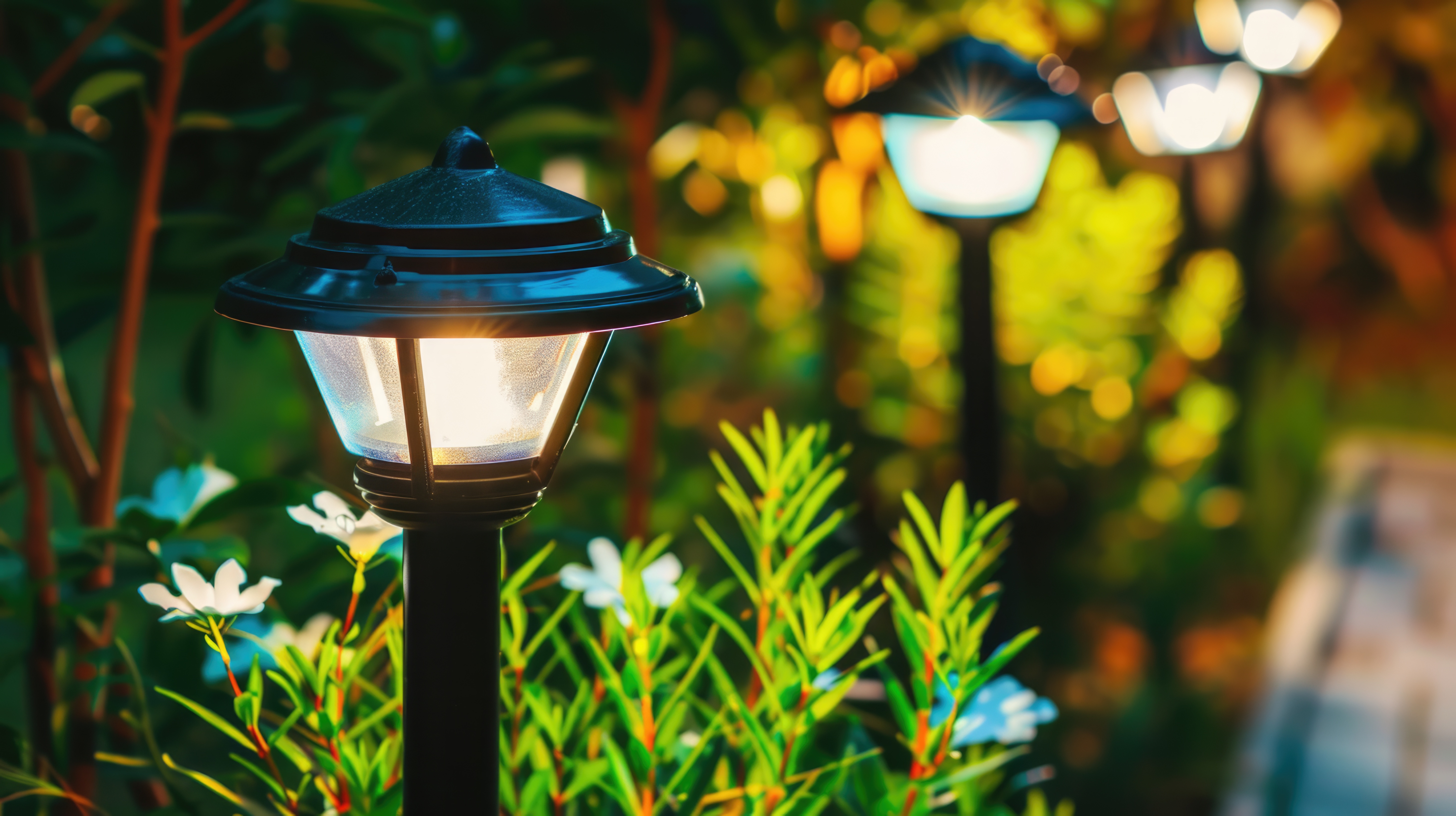
Light Pollution: Many species use moonlight to navigate toward food sources, and bright artificial lights disorient them, causing them to feed less and expend more energy.
Many of these issues can be successfully mitigated within your garden; even more so if you are able to work with your neighbors to coordinate efforts.
Habitat fragmentation reduces the accessibility of food and shelter.
Changing your garden isn’t always practical, and many of the plants you already have likely attract night pollinators to some degree. Below are some practical tips to improve your existing garden with little cost and effort.
Soft yellow or orange outdoor lighting is best for illuminating gardens and driveways at night. Any lighting used should also be shielded to direct light downward and be kept low to the ground wherever possible.
It’s important, however, not to sacrifice home safety. Motion-sensing lights can reduce night pollution while still being bright when needed, and lights can be set to timers so they stay on in the early evening, but turn off in the dead of night. Good curtains and blinds also limit light spill from your house.
If you’ve recently replaced outdoor bulbs, you can also purchase—or make—color filter shades to alter the light cast into your yard.
If you’re using LEDs, look for a Kelvin rating below 3000K.
Keeping lighting low and to a safe minimum creates a more welcoming space.
Leaf litter, piles of twigs, and mulch are great habitat boosters for nocturnal pollinator populations. Focusing these areas around shrubs and dense flower plantings will help them to stay safe during the daytime as well.
A shallow dish of water is an excellent way to support the night pollinators already visiting your garden. If you have a bird bath, adding stone and pebbles so there are shallow areas will make it more accessible too. An old plant saucer is an excellent water holder if you want to reuse what you already have.
Understanding how nocturnal pollinators live and move through the night is the first step toward designing a garden that truly supports them. Many species are imperiled, and recreating snippets of habitat for them provides reliable places to feed, reproduce, and benefit the environment.
Pollinators are essential for plant reproduction and for many food chains, supporting birds, mammals, and other wildlife. Environments thrive when there is a healthy interplay between plants and animals, and nocturnal species are an important component of that.
Pollinators are a key part of the environment web.
Understanding how nocturnal pollinators live and move through the night is the first step toward supporting them. As you think about your own garden, consider taking a moment one evening this week to step outside after dusk to see what it’s like. Look for dark spots that would be great for nocturnal pollinators, areas that are too bright, or spots for more flowers.
In the next article, we’ll look more closely at night-blooming plants and how to choose varieties suited to your climate and space. This will help you begin shaping a garden that welcomes nighttime visitors year-round.