A series on nighttime pollinators and how to help them thrive in your garden.
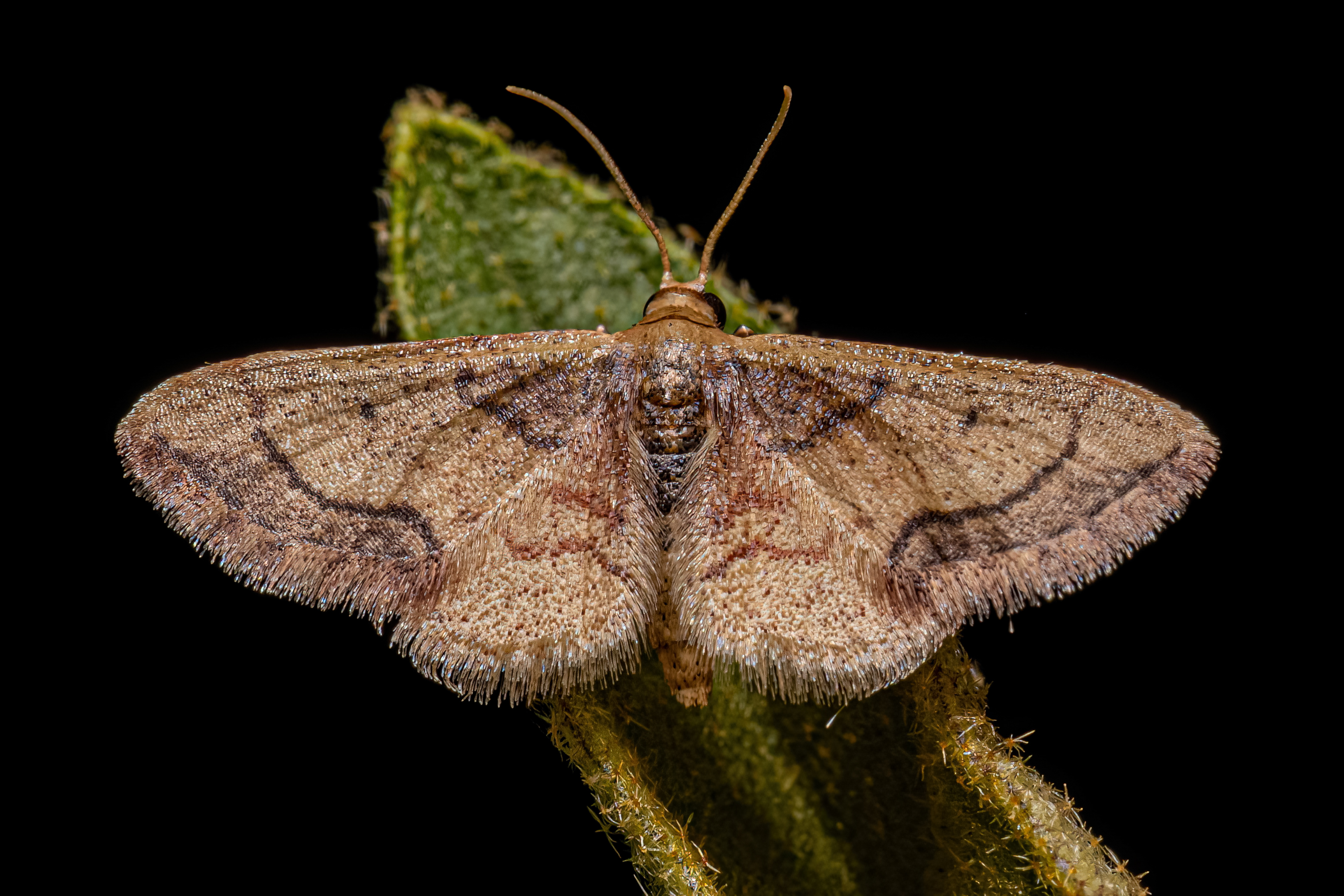
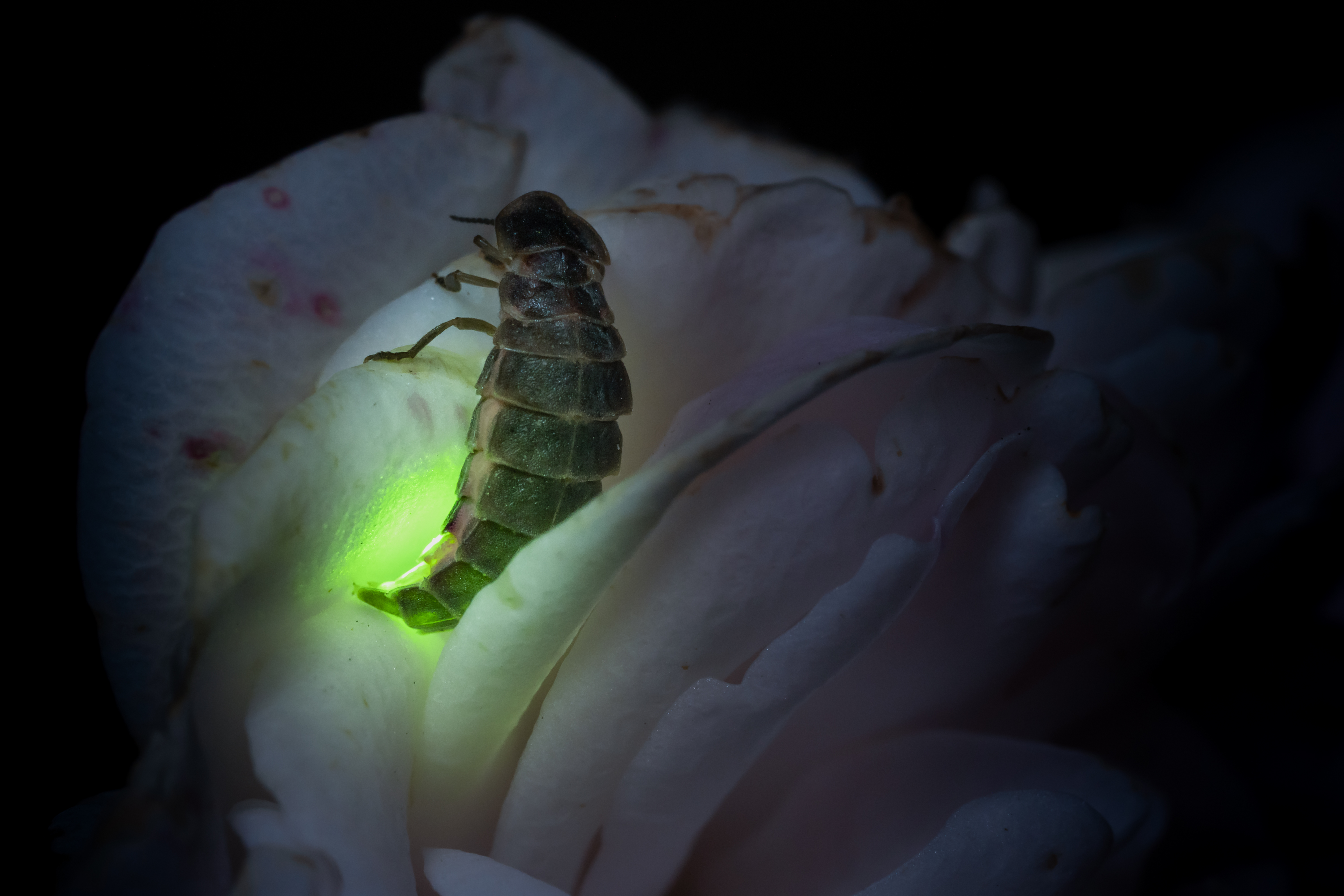
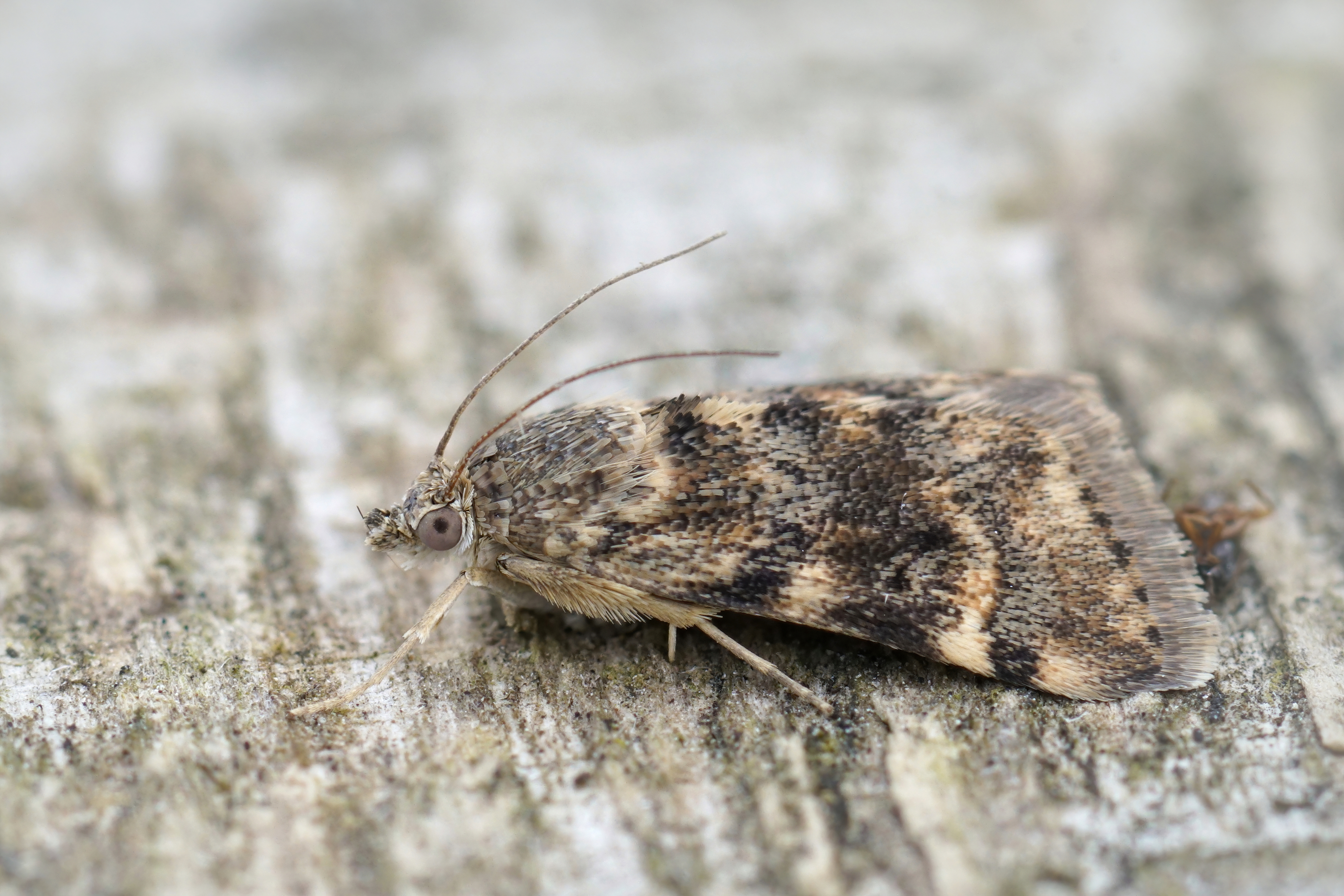
We often hear about diurnal (daytime) pollinators because of the vital role they play in our gardens. However, when the sun sets, nocturnal pollinators—moths, bats, beetles, and more—take over. Some plants have evolved specifically for these nighttime visitors, opening their blooms and releasing fragrance only after dusk.
In this series, we’ll explore the troubles they face, how to attract these helpers, and how doing so can strengthen your garden’s health both day and night.
Creating a Moon Garden
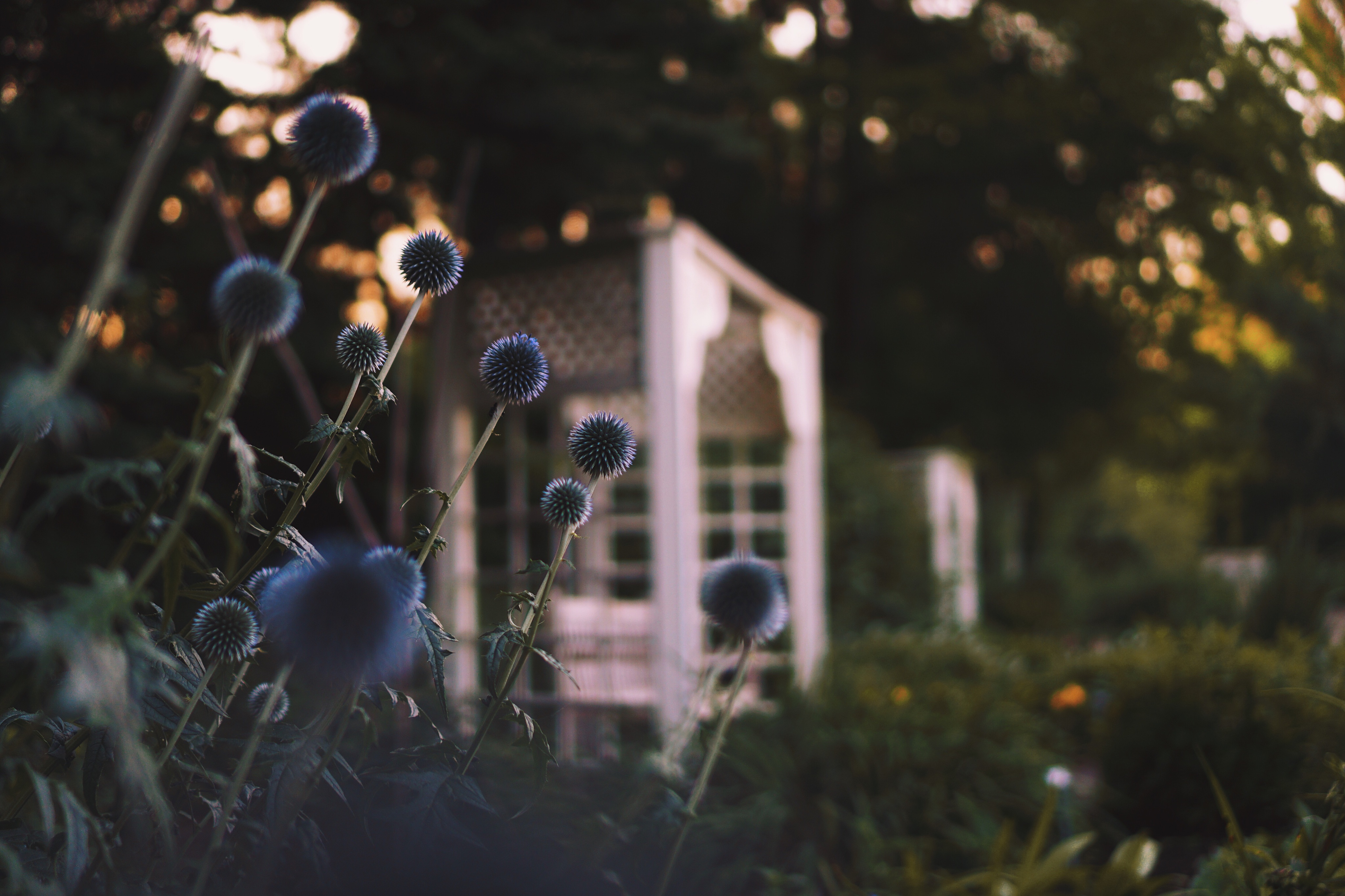
Moon gardens are a beautiful way to attract night-active pollinators while giving you a peaceful place to enjoy them. There’s no single blueprint for designing one—what matters most is creating a space you’ll love spending time in. The principles from Parts 1 and 2 will naturally shape many of your choices, helping you build a serene pocket of nocturnal habitat.
In Part 3 of this series, we’ll explore practical tips, design ideas, and simple strategies for creating your own moon garden....
After-Dark Plants: Hosts and Nectar for Night Pollinators
Few plants fully close at night—though some familiar garden species, like daisies (Asteraceae), do. Many others respond instead to humidity, temperature, or light. Still, most daytime blooms remain at least partially open after sunset and attract nocturnal pollinators to some degree.
Planting a few night-focused species can act as “anchors,” drawing moths, beetles, bats, and other nocturnal visitors across your garden. In Part 2 of this series, we’ll explore the traits that make plants attractive at night and highlight several excellent species to help you start or expand your after-dark garden....
Nocturnal Pollinators: An Introduction
In Part 1 of this series, we’ll provide a foundational overview: who night pollinators are, why they matter, and the basic conditions they need.
Who Are Nocturnal Pollinators? Nocturnal pollinators are species that primarily visit and pollinate flowers after dusk, although it’s not uncommon to see some during the day. These include moths, bats, beetles, and certain flies that rely on night-blooming or night-scented plants. Many of them have evolved specialized ways to find flowers in low light, such as a strong sense of smell, echolocation, or heat detection, making them essential yet often overlooked contributors to healthy ecosystems....