Moon gardens are a beautiful way to attract night-active pollinators while giving you a peaceful place to enjoy them. There’s no single blueprint for designing one—what matters most is creating a space you’ll love spending time in. The principles from Parts 1 and 2 will naturally shape many of your choices, helping you build a serene pocket of nocturnal habitat.
In Part 3 of this series, we’ll explore practical tips, design ideas, and simple strategies for creating your own moon garden.
A moon garden is best placed where moonlight naturally falls, ideally in a spot shielded from strong artificial lights. Low, shielded lights are generally fine, though you can always plan to switch nearby lights off late at night.
Most moon-garden plants still need sun for photosynthesis, so aim for a healthy balance between moonlight and sunlight.
Pay attention to wind and microclimate. Light evening breezes will help fragrance travel, but too much wind can disrupt pollinators. Sheltered spots will hold scent “pockets” and stay slightly warmer after dark, extending nighttime activity for moths, beetles, and fireflies.
Large plants, such as trees and shrubs, will also help reduce sun and wind exposure.
Consider also how you plan to experience the garden. Create it where it is accessible to you. Even small courtyards, balconies, or narrow side yards can work as miniature moon gardens, especially when enhanced with pots and trellises.
No matter the size, prioritize a layout that’s easy to move through safely after dark. Curved paths, low lighting, and clearly defined borders help create a space that feels safe, inviting, and richly atmospheric for both you and the nocturnal wildlife you’re welcoming in.
In Part 2, we explored many excellent night-friendly species, but nearly any flowering plant can contribute to a moon garden. Pale colors—especially whites, silvers, soft yellows, and light pinks—stand out beautifully under moonlight, while fragrant varieties draw nocturnal visitors from surprising distances. When planning your plant palette, a few principles can help you create a cohesive, high-impact display:
Group plants with similar scents.
Fragrance layers beautifully when related notes are placed together—sweet florals with florals, herbal scents with herbal scents, spicy with spicy. This prevents muddled or overpowering combinations for you and makes it easier for moths and beetles to follow consistent scent trails.
Group plants by similar colors or textures.
Because moonlight is dim and cool-toned, subtle differences in shade become exaggerated. A dull white blossom can appear grey or dingy next to a glossy, reflective bloom. Keeping color groups consistent—pale yellows with yellows, silvery foliage with silvery foliage—creates harmony and maximizes nighttime glow.
Build a layered structure.
A successful moon garden has vertical and horizontal depth. Trees can form the overstory and offer shelter; shrubs provide nesting space and help shield the area from stray light; perennials and groundcovers fill in the understory. Dense plantings, with sheltered gaps spaced throughout, create pockets of warmth and refuge where nighttime insects feel safe to feed and court.
Think seasonally.
Many moon gardens peak in summer, but extending bloom time transforms the space into a nighttime refuge from early spring through late fall. Choose early bloomers (such as hellebores or native spring ephemerals) to support the first waking pollinators in February and March, and late-season options (like asters, goldenrod, or autumn-blooming anemones) to keep activity high into October and November.
Depth can be created even in very small gardens by making use of all available space.
Even a single pot of flowers can draw nighttime visitors—my own small bed of vinca, not a particularly famous night plant, still attracts dozens of moths at dusk. But to support more species, and to transform your moon garden from a simple planting into a functional nocturnal habitat, a few additional elements make a tremendous difference:
Provide water.
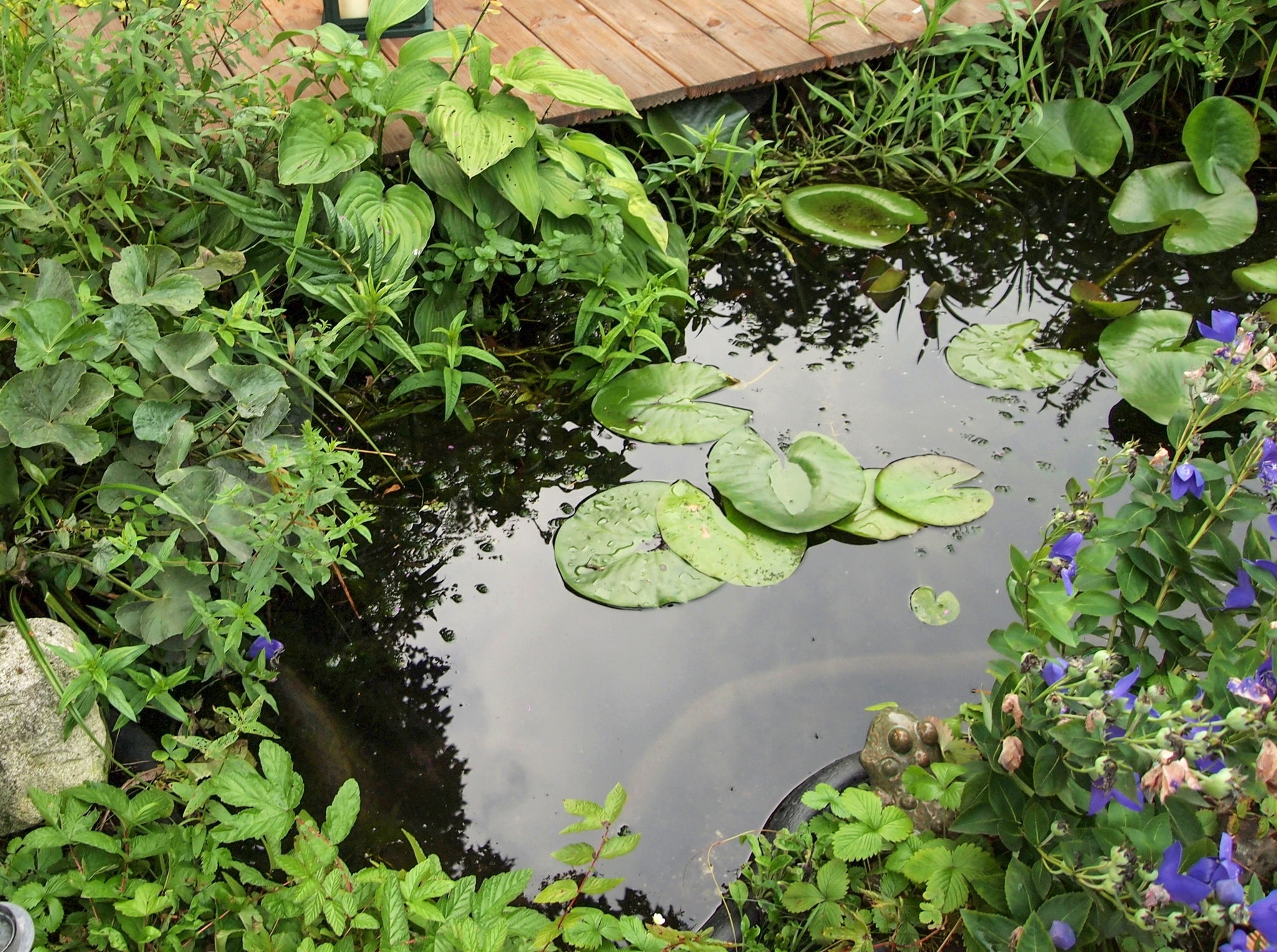
A shallow dish, birdbath, or gently sloped basin with stones to create shallow areas provides moths, beetles, and other night-foraging insects with a reliable place to drink. Moving water is even better, as the sound and humidity help guide insects after dark, so you could go for a pond or fountain project if you have the time.
Leave leaf litter where possible.
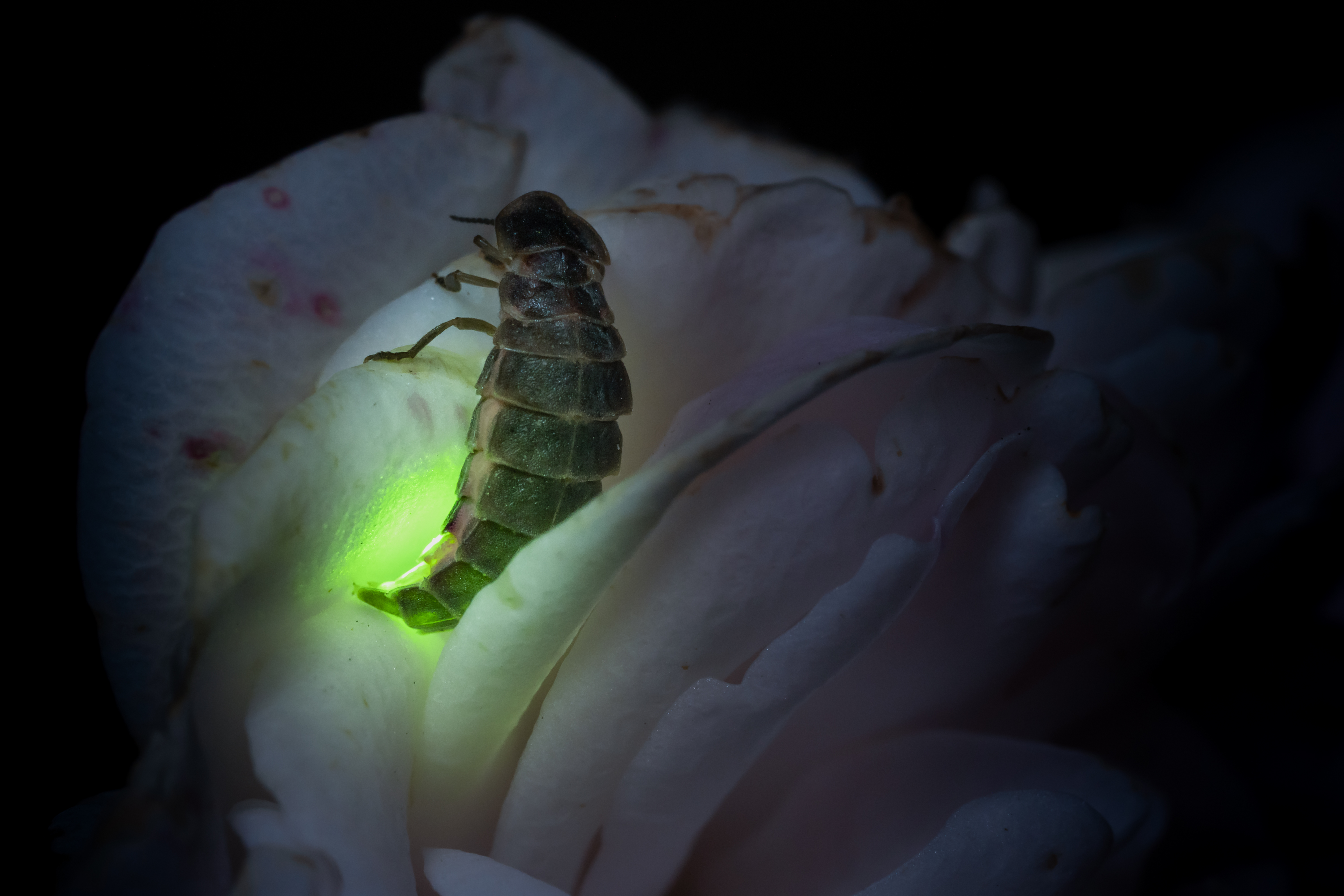
Leaf litter is one of the most important resources for nocturnal insects. Fireflies use it for breeding, many moths pupate within it, and countless beetles shelter there during the day. A small, quiet corner where leaves can collect undisturbed adds enormous habitat value.
Incorporate dead wood.
Rotting logs, hollow stems, and small twig piles serve as nesting sites, hunting grounds, and moisture reservoirs for nocturnal species. Beetles lay eggs in decaying wood, solitary bees nest in pithy stems, and many fungi and microfauna that support the ecosystem flourish there.
Avoid pesticides and herbicides.
Even “mild” or organic formulations can harm caterpillars, beetles, and fireflies. Reducing or eliminating chemical use—especially in the moon-garden area—ensures that the nighttime visitors you attract can safely feed, breed, and complete their life cycles.
Here are some ideas to guide your own moon garden design.
Dappled Colors
Anchor the garden with a small tree such as a dwarf birch at the point farthest from where moonlight enters. Surround its base with mossy groundcover and airy ornamental grasses further out to create pockets of gentle movement.
On the moon-facing side, plant a tiered bed of white and soft pink flowers. Place glossy-leaved, reflective plants in the lower layers and taller, softer-toned plants behind to create a subtle gradient. Add a trellis at the back for a climbing vine. In a small clearing, use a terracotta saucer as a water basin, edged with mossy stones, and place a bench beneath the birch with two low, shielded solar lights for soft illumination.
The mix of reflective foliage and soft, layered textures creates depth under low light, allowing moonbeams to catch on leaves and blooms so the garden appears to shimmer gently after dark.
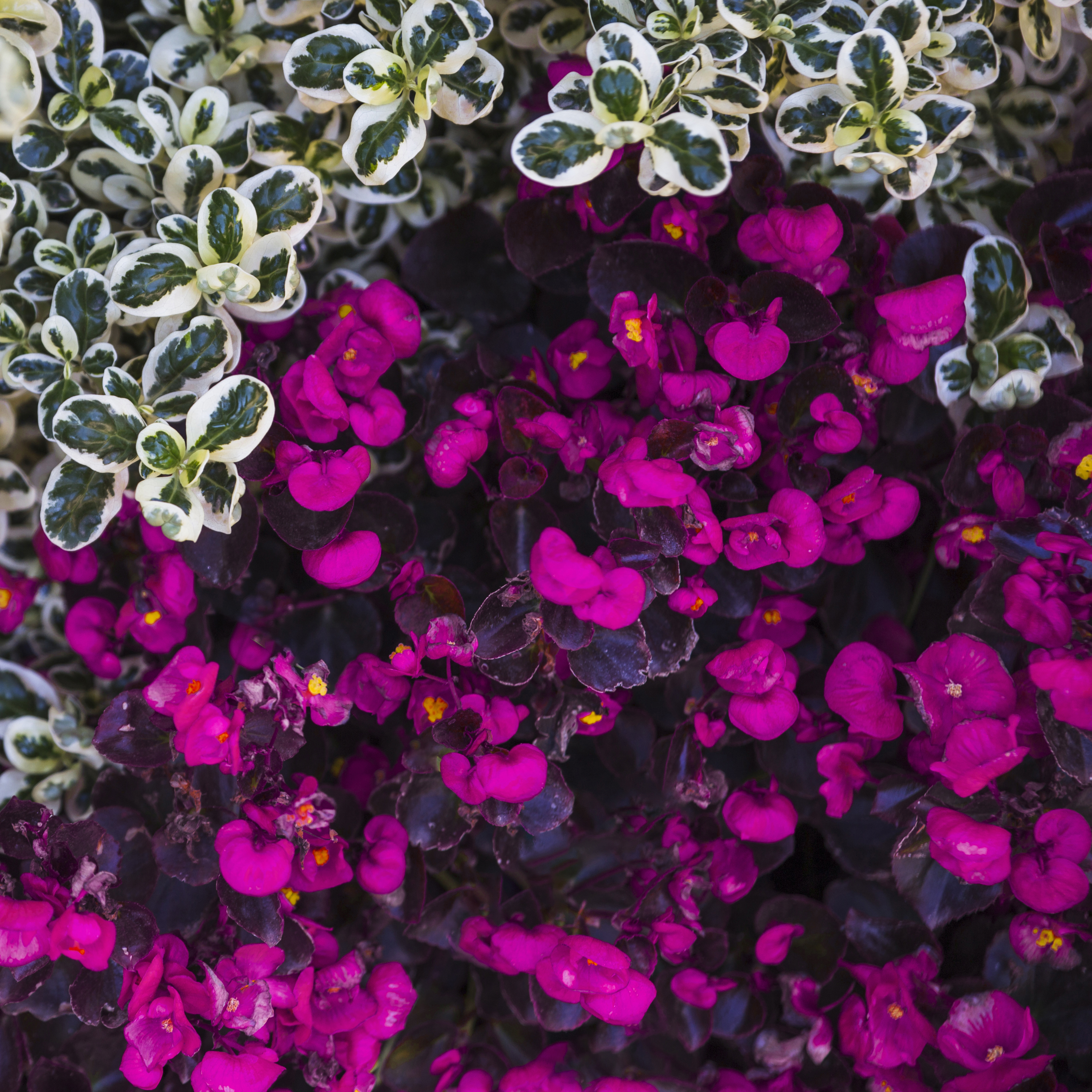
Color contrasts can be as dramatic at night as they are during the day
Mini Paradise
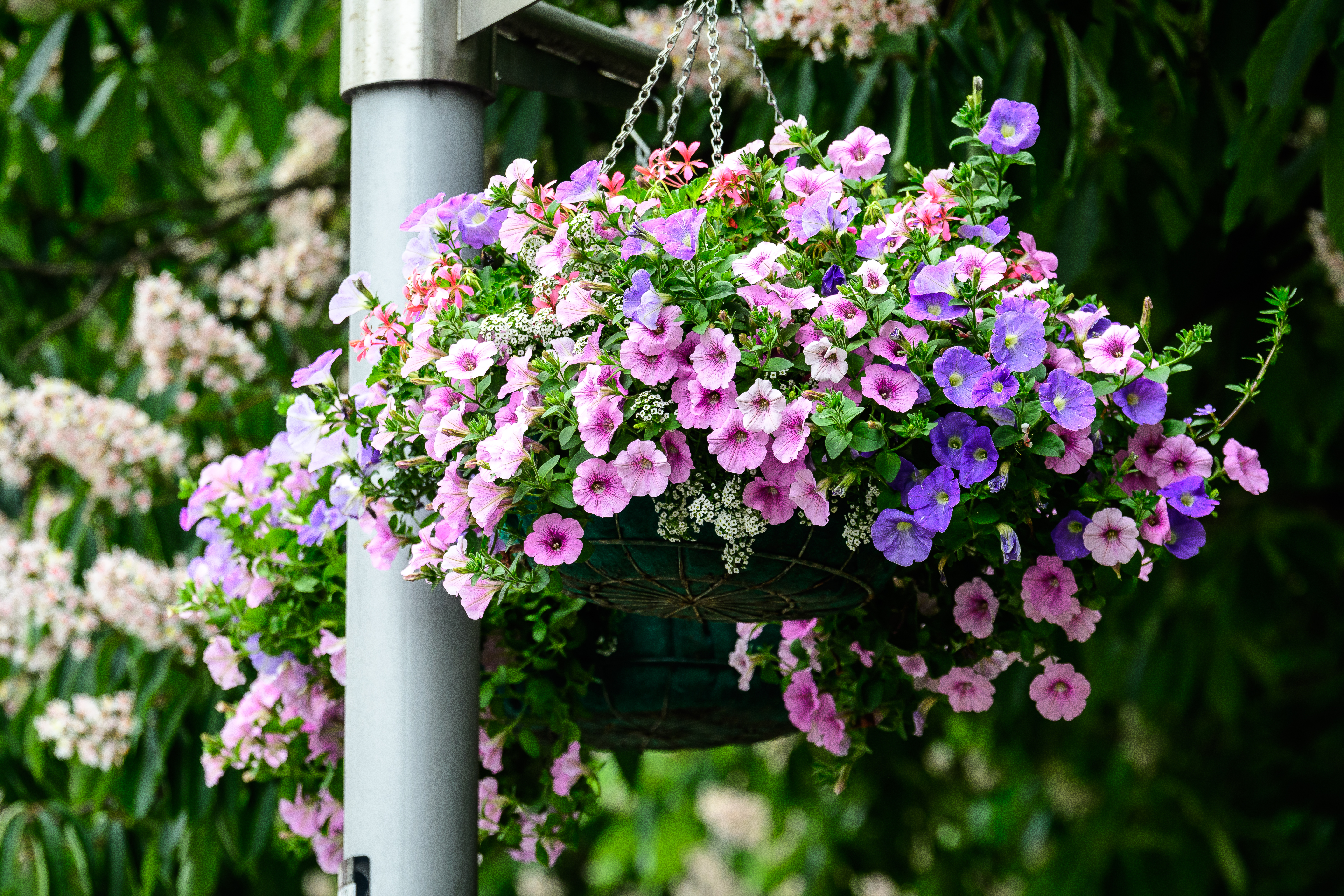
Ideal for patios or small spaces. Arrange three large pots in an L-shape and two smaller pots in front for depth. In one large pot, build a garden-cane pyramid with a pale-flowered or silver-foliage vine, underplanted with glossy, fragrant herbs and small flowers.
Fill the smaller pots with dwarf shrubs and frame them with trailing plants or groundcovers. Plant white and purple blooms in the remaining large pots, reserving space in one for a medium ornamental grass and a small solar fountain. Outline the arrangement with low mini-solar lights and add a small bistro table and chairs for a compact, fragrant, and inviting corner.
This mix of pots will retain heat well in their cluster and create a dense, vibrant pollinator paradise.
Wild Wonderland
For larger gardens, choose a canopy tree with one or two understory trees and fill spaces with bunch grasses, shrubs, and mossy pockets. Create gentle rises and dips, a small pond with partial afternoon shade, and plant marsh-loving species and flowers around it.
Mulch heavily and leave some dead wood in semi-open spaces for insects and other nocturnal wildlife. Install a bird box once trees mature, space small solar lights a few feet apart, and place a bench in a suitable place so you can comfortably enjoy the garden.
Designing a moon garden is all about having fun and supporting nature simultaneously. By following good principles, you can create a vibrant, easy-to-maintain space. With thoughtful plant choices, layered habitats, and a little nighttime magic, your moon garden can become a haven for pollinators and a quiet retreat for you, lighting up both the garden and your evenings.