San Pedro columnar cactus

Propagating Columnar Cacti

There are hundreds of types of columnar cactus (Cereus, Pachycereus, Cephalocereus, etc.), ranging from the impressively tall and majestic Saguaro to smaller, cluster-growing San Pedro. These plants thrive in dry climates, need very little water, and reward growers with striking flowers. Columnar cacti are relatively simple to propagate, though the method can vary. In part 3 of this series, we’ll cover the ways to increase the number of columns in your garden and care for the parent plant after you’ve taken a cutting....
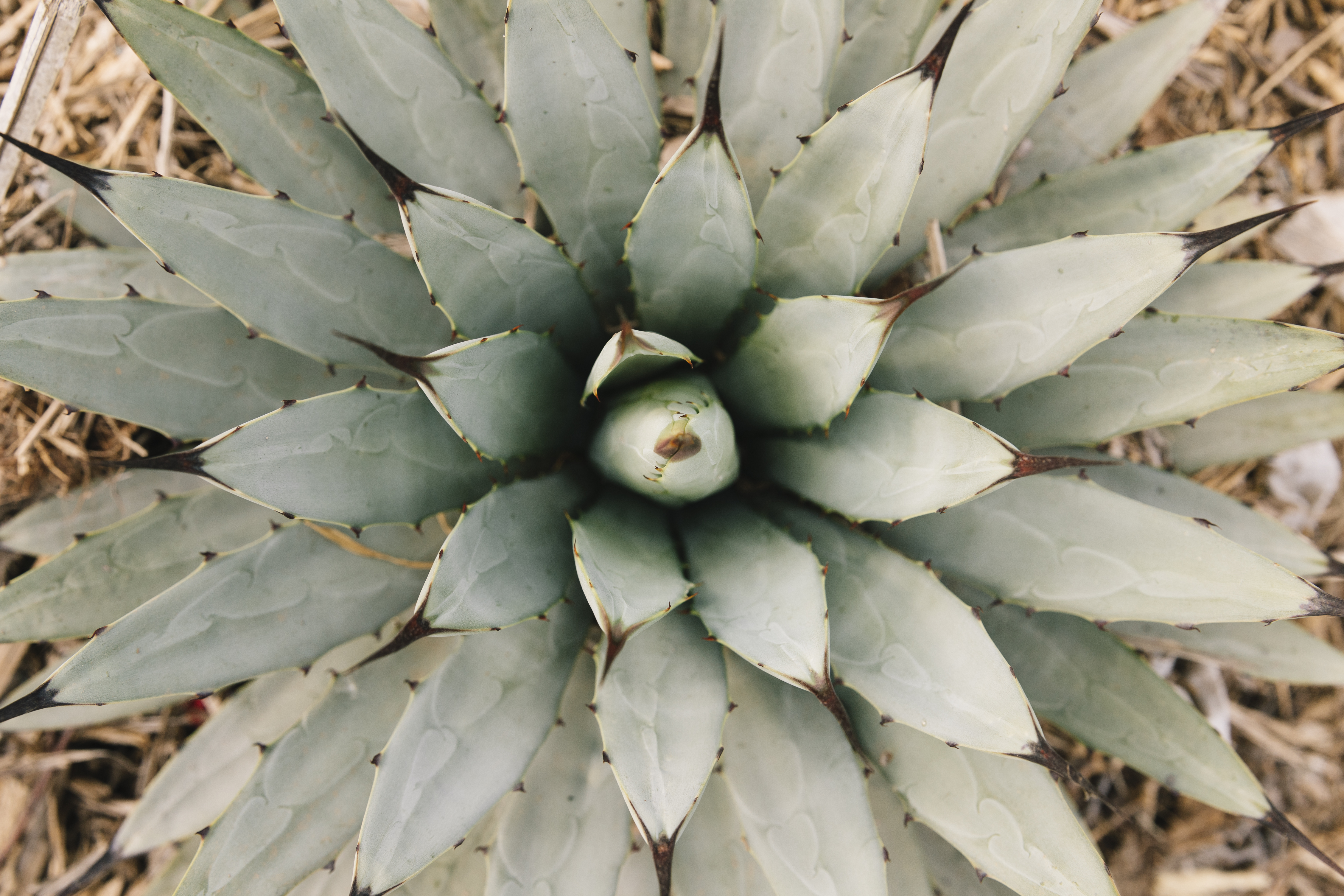
Top view of an agave plant

Propagating Agave

There are over 200 species of agave in this diverse genus of succulents. They are part of the asparagus family, and most are monocarpic, meaning they flower only once. Agaves bloom on tall stalks that resemble oversized asparagus spears, producing seeds and sometimes bulbils. Agaves are incredibly resilient plants and a staple in desert and xeriscape gardens. Their thick leaves, fibrous roots, and carbohydrate‑rich cores allow detached pups and bulbils to survive long periods with minimal water while they establish new roots....

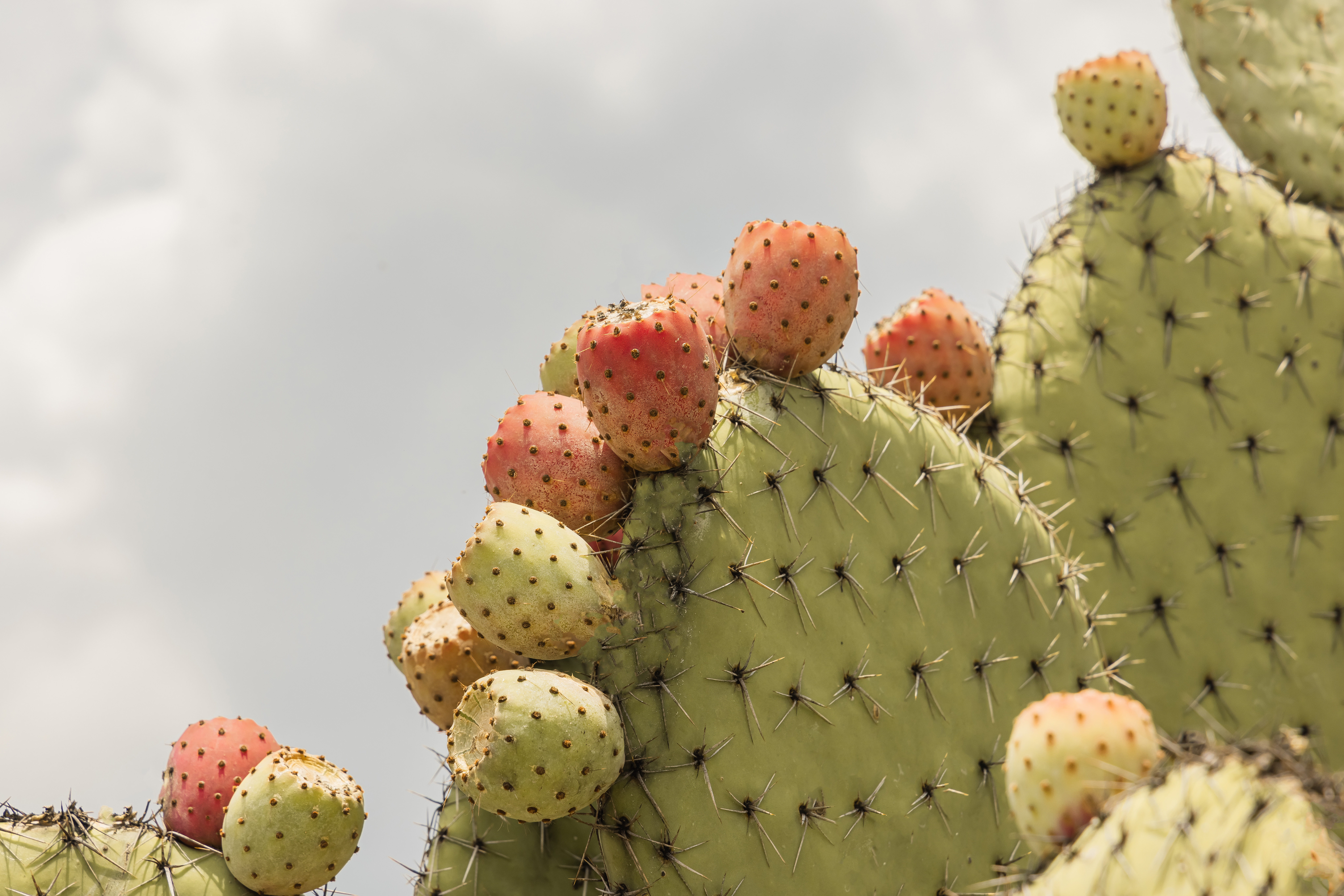
Prickly pear paddle cactus with cactus fruit

Propagating Paddle Cacti

Paddle cacti (genus Opuntia) are recognizable for their round-to-oval shaped segments, which are called cladodes, or pads, hence the name. They are incredibly resilient, drought-tolerant, and an important host plant for dozens of species, and a reliable source of fruit and nectar. They are also very easy to propagate, so let’s get into it. Clever Adaptations Paddle cacti grow in distinct segments that are designed to detach. Each pad is a self‑contained reservoir of water and stored energy, and the joint between pads is a natural break point....