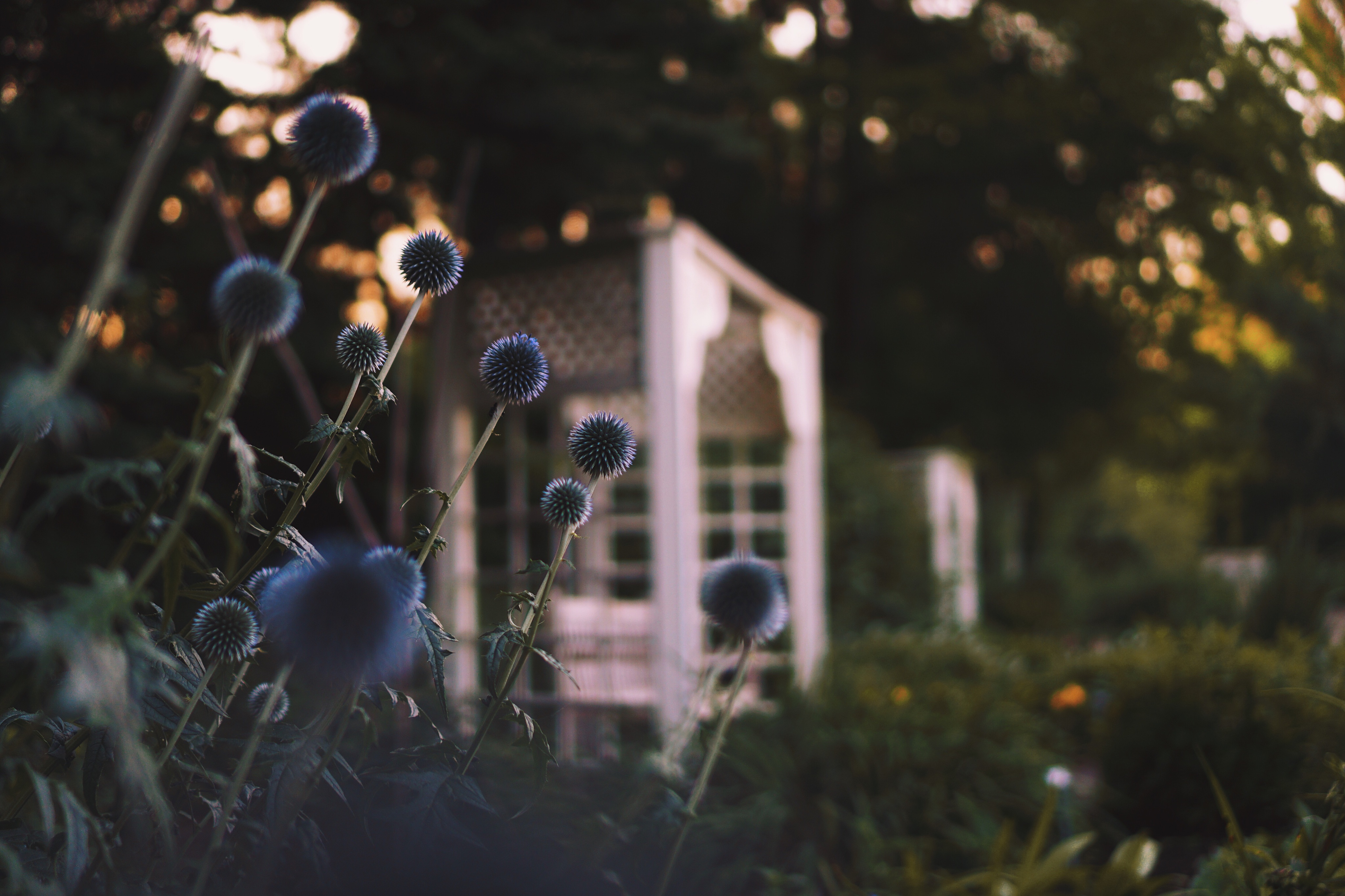
Globe thistles at dusk

After-Dark Plants: Hosts and Nectar for Night Pollinators

Few plants fully close at night—though some familiar garden species, like daisies (Asteraceae), do. Many others respond instead to humidity, temperature, or light. Still, most daytime blooms remain at least partially open after sunset and attract nocturnal pollinators to some degree. Planting a few night-focused species can act as “anchors,” drawing moths, beetles, bats, and other nocturnal visitors across your garden. In Part 2 of this series, we’ll explore the traits that make plants attractive at night and highlight several excellent species to help you start or expand your after-dark garden....
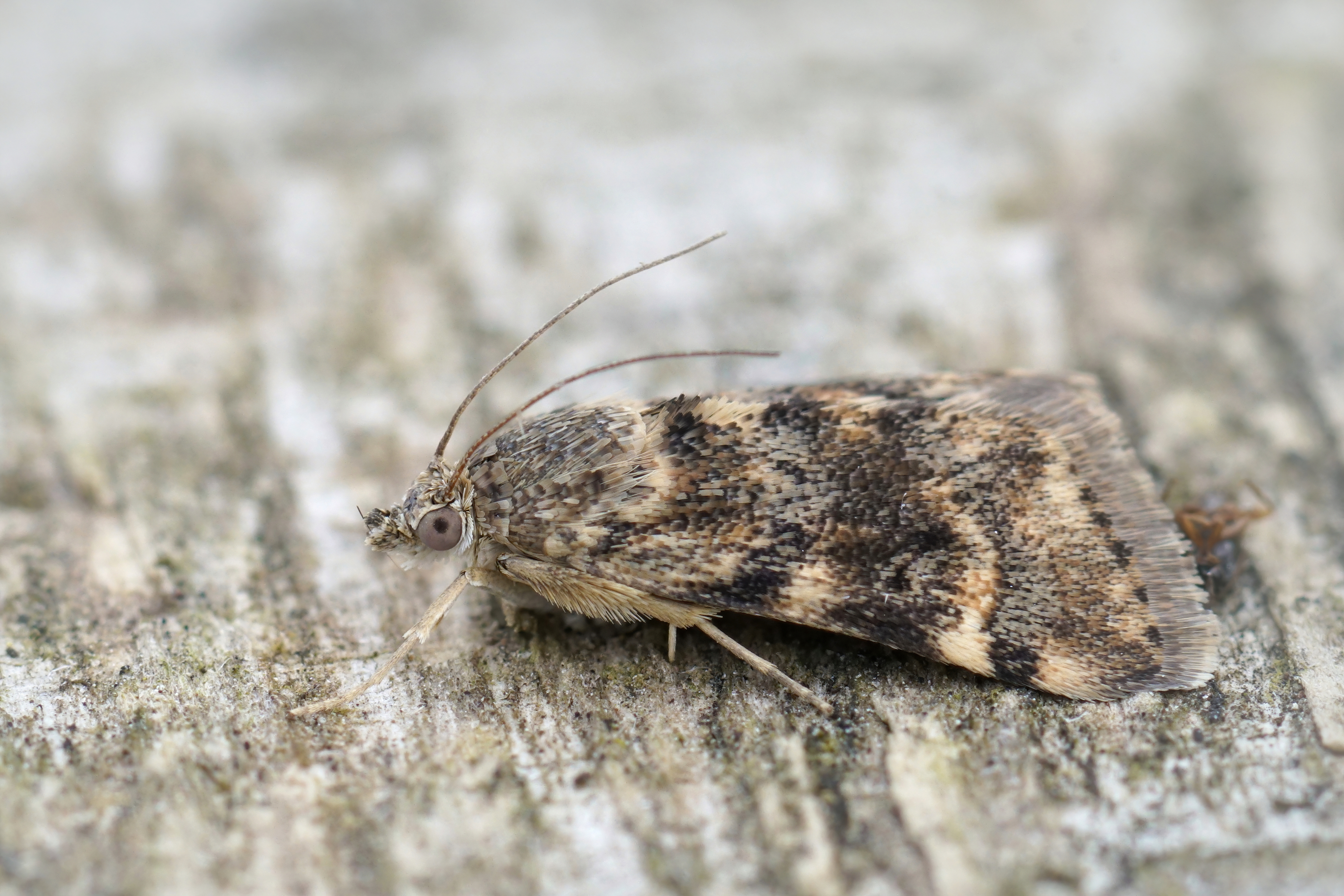
Aporodes floralis moth

Nocturnal Pollinators: An Introduction

In Part 1 of this series, we’ll provide a foundational overview: who night pollinators are, why they matter, and the basic conditions they need. Who Are Nocturnal Pollinators? Nocturnal pollinators are species that primarily visit and pollinate flowers after dusk, although it’s not uncommon to see some during the day. These include moths, bats, beetles, and certain flies that rely on night-blooming or night-scented plants. Many of them have evolved specialized ways to find flowers in low light, such as a strong sense of smell, echolocation, or heat detection, making them essential yet often overlooked contributors to healthy ecosystems....

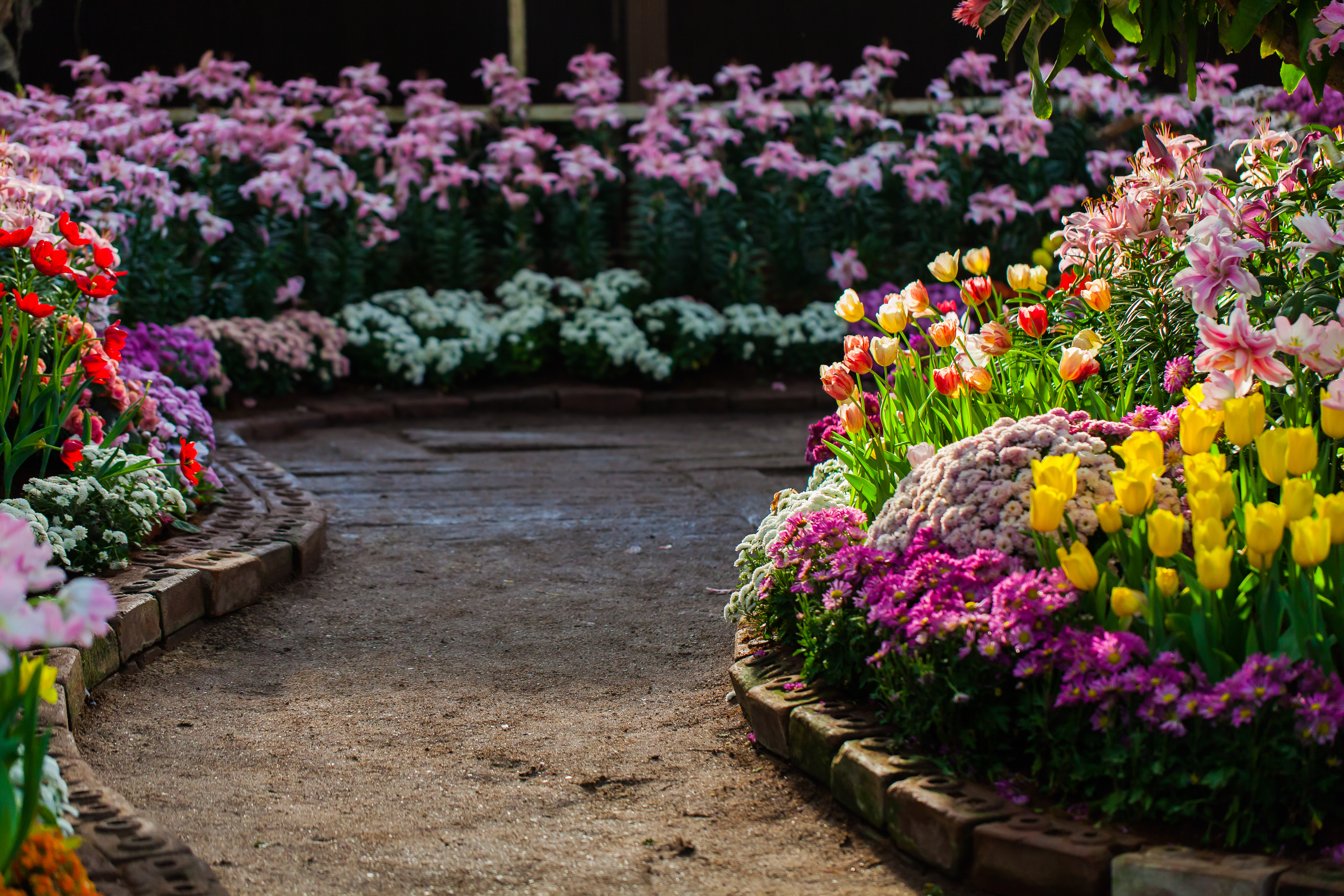
Flower bed with winding garden path

Designing a Flower Bed: A Plan Full of Color, Layers, and Pollinators

A well-planned flower bed can be a visual delight and a haven for pollinators. But crafting a beautiful bed can feel daunting—no one wants to lose plants after all that work! Here’s a 4×8 ft layout that balances structure, color, and bloom succession—plus tips to adapt it for your space. This flower bed is best suited for zones 6-8 (with some wiggle room on either side), and is based on two garden beds I grew a few years ago in the UK....