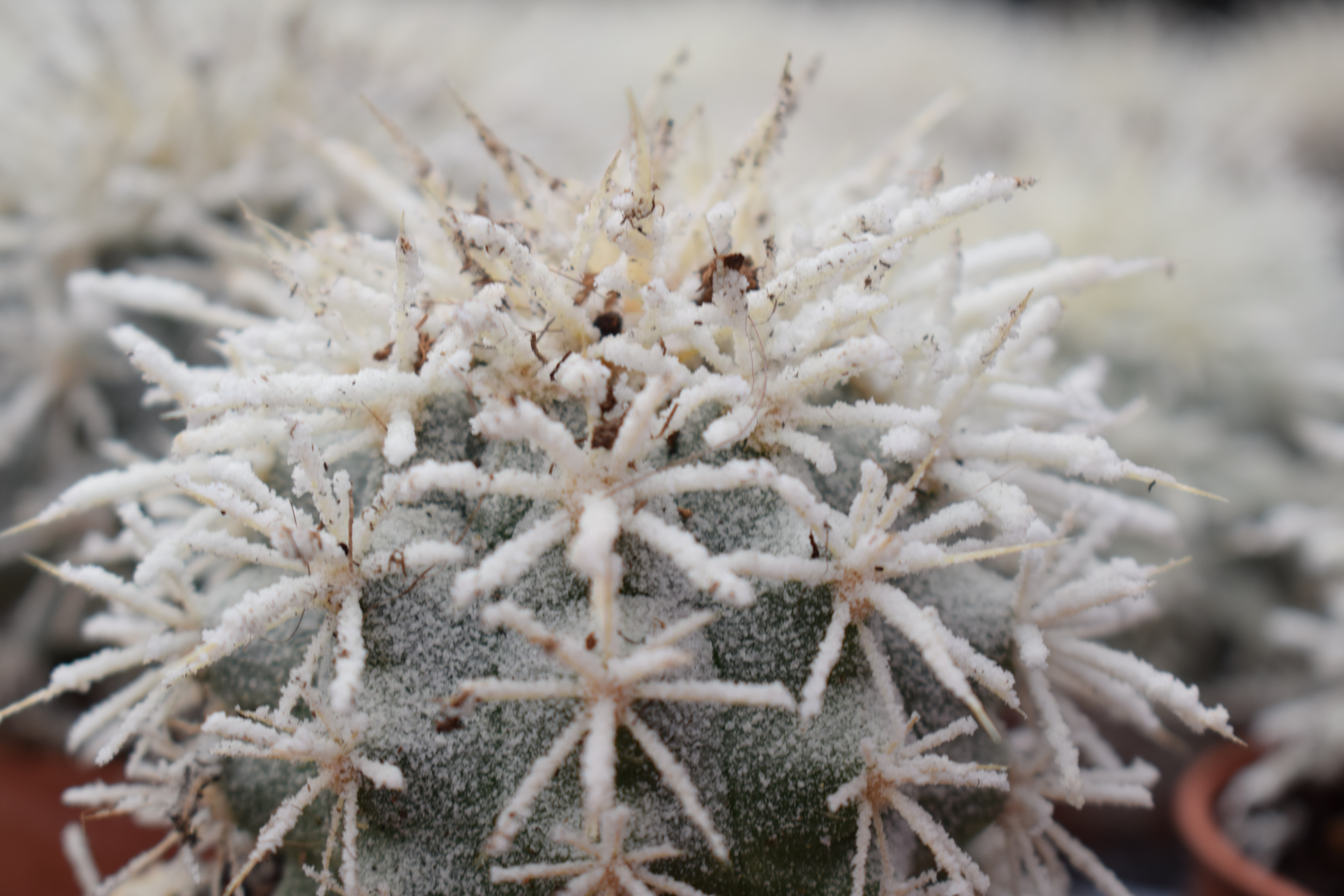
Frost covered cactus

Frost in the Desert Southwest

In the Desert Southwest, freezing temperatures tend to be rare, brief, and highly localized, but when they do occur, they can be surprisingly destructive. A single radiational freeze—characterized by clear skies, still air, and rapidly dropping nighttime temperatures—can damage buds and new growth, and kill young seedlings outright. These freezes can be sudden, often not predicted until the day before, so it’s important to watch the weather. In this article, we’ll explore how frost behaves in the Desert Southwest, how to plan your garden with frost (and even snow) in mind, and practical ways to prepare for sudden cold snaps when they occur....

desert cacti and plants

Managing Caliche: Southwest Struggles

Sometimes called “nature’s cement,” caliche is a hardened layer of calcium carbonate that binds rock, sand, and soil together into a cement-like barrier that roots—and water—struggle to pass through. In the Desert Southwest, caliche can create real challenges for gardeners, affecting drainage, root growth, and overall soil health. In this article, we’ll look at some practical ways to manage caliche in your yard. A Bit More About Caliche Caliche is common in desert environments from the USA to Australia....

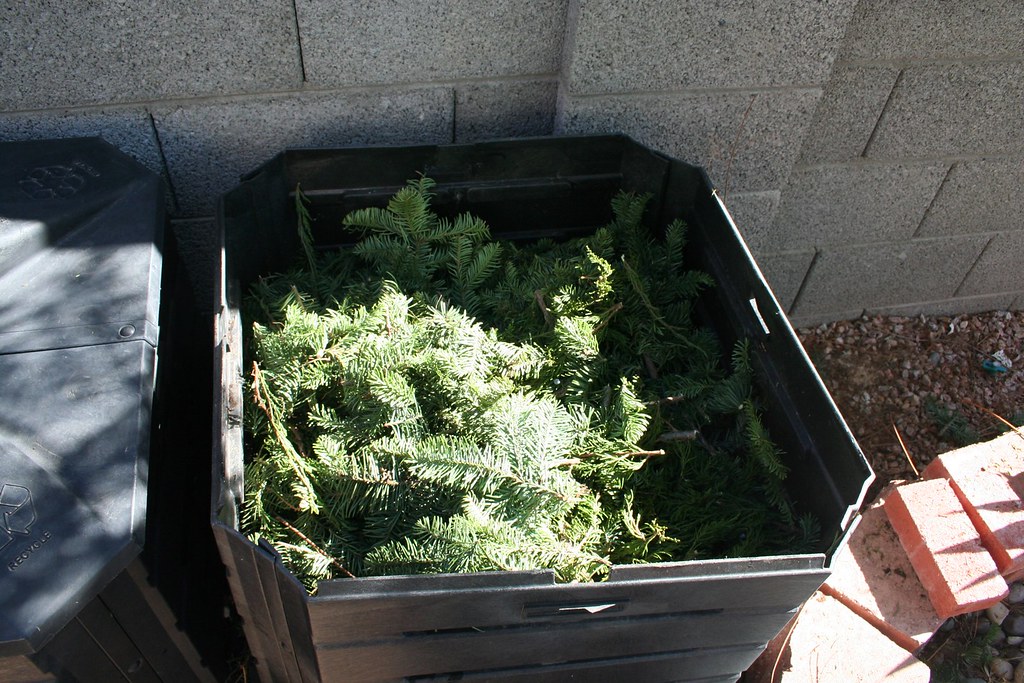
Composting a tree in an Arizona garden

Composting in the Desert

Deserts are notoriously harsh environments. Hot and dry (excluding Antarctica), with low rainfall, desert soils are challenging for most plants and take years to naturally build fertility. Deserts are found on multiple continents, from Australia to the Desert Southwest in the USA. Compost is an excellent soil amendment and a powerful way to enrich impoverished soil. But as compost requires moisture and plenty of organisms, is it possible in the desert?...