The Desert Southwest is fortunate to have not one, but two growing seasons: a cool season from October through May, and a warm season from May through September. With careful planning, many plants can thrive through both seasons, providing fresh produce year-round. Herbs are especially well-suited to this climate, offering flavor, fragrance, and resilience.
The Planter Team’s herbs series is an excellent resource for learning about herbs and how to use them. Exercise caution with herbs that you are unfamiliar with, and take the time to research them and their uses. You can find the series here.
This article focuses on creating a herb garden suited to desert conditions.
Location, Location, Location
Light exposure is perhaps the most important consideration when planting. Summers in the Desert Southwest are hot and dry, with extreme UV exposure. Winters are cooler, and frosts are not uncommon from late December through early March.
In general, eastern exposures are ideal year-round, as they provide sun in the morning and shade in the afternoon. Other locations can work if steps are taken to limit summer sun exposure, such as covering plants with 30–40% shade cloth or relocating containers to shadier areas.
Dry, hot winds can also be a problem. Using a wall, fence, deciduous trees, or a hedge can help protect herbs while still allowing them to receive adequate light.
A “full sun” herb is not necessarily suited to full sun in the Desert Southwest. Full sun typically means 6–8 hours of sun per day, which can be achieved through dappled light in desert environments.
Soil
Desert soils are notoriously sandy, rocky, and low in organic matter. Mediterranean herbs will tolerate these conditions with some amendment, but most herbs—even native desert species—perform far better in well-prepared, enriched soil.
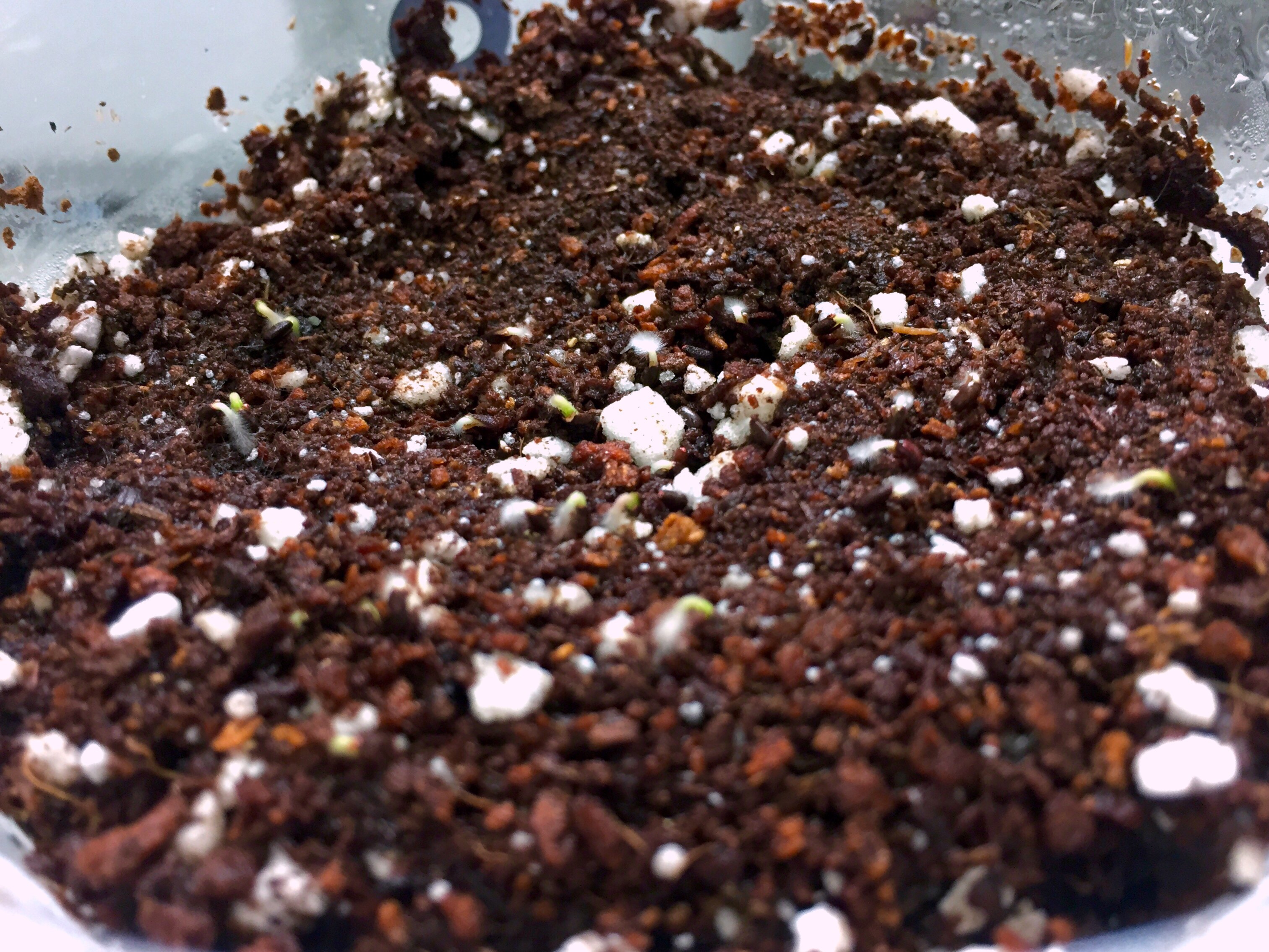
Herbs require excellent drainage; otherwise, they are prone to root rot and decay. A simple and effective mix for raised beds or pots is as follows:
- 1 part coarse sand (omit or reduce if your native soil is already sandy)
- 1 part rock or aggregate (small pebbles or gravel work well)
- 1 part coco coir (for moisture retention and light nutrient content)
- 1 part compost (for nutrients and soil structure)
You may also add worm castings, leaf mold, or other organic materials to improve fertility.
To test drainage, moisten a handful of soil and gently squeeze it. When you open your hand, the soil should crumble easily. If it clumps or holds its shape, add more coarse material.
Native Desert Southwest Herbs
While classic herbs grow well with care in the Desert Southwest, many native herbs thrive in even the harshest desert conditions and can make it easier to grow more common culinary plants.
Because many native herbs grow tall and bushy, they work well as companion plants, providing shade and shelter from the sun and wind.
Yerba Mansa (Anemopsis californica)
A low-growing, waxy-leaved groundcover that prefers damp, almost marshy soil. Best grown in a dedicated low spot or container. Yerba Mansa has various medicinal uses, acts as a natural air freshener, attracts butterflies, and provides habitat for small lizards that help with insect control.
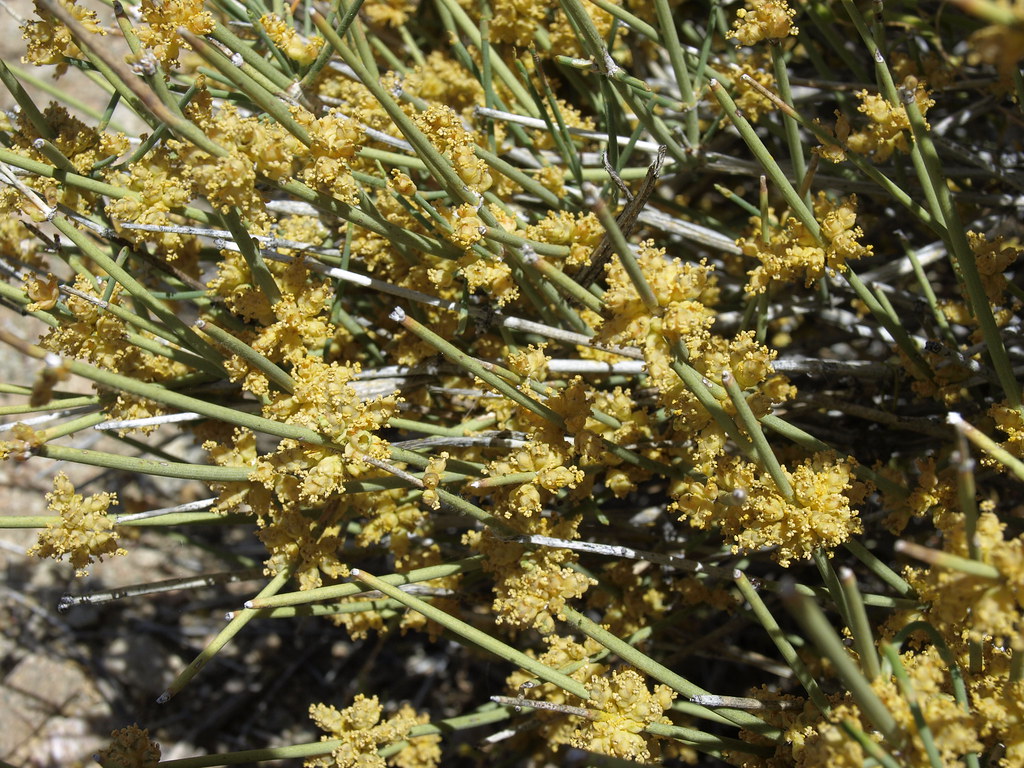
Mormon Tea (Ephedra nevadensis)
Sometimes called desert tea, this shrubby evergreen perennial can be steeped for tea. It does not flower and photosynthesizes through its stems rather than leaves. Plants are either male or female and are wind-pollinated.
Note: Ephedra species have a long history of traditional use, but should be consumed with care and proper knowledge.
Chiltepin (Capsicum annuum var. glabriusculum)
This wild pepper is extremely hot, measuring 50,000–100,000 Scoville units. A hardy native, it forms a small bush up to four feet tall and tolerates pruning well. Birds adore the peppers, and they are excellent fresh, dried, or pickled. Plants may die back in winter but return vigorously in spring.
Epazote (Dysphania ambrosioides) — Mexican Tea
A hardy herb native to Mexico and the Southwest. Epazote enhances soups and stews and can also be steeped for tea. This sun-loving plant has several traditional medicinal uses and works well as an anchor plant.
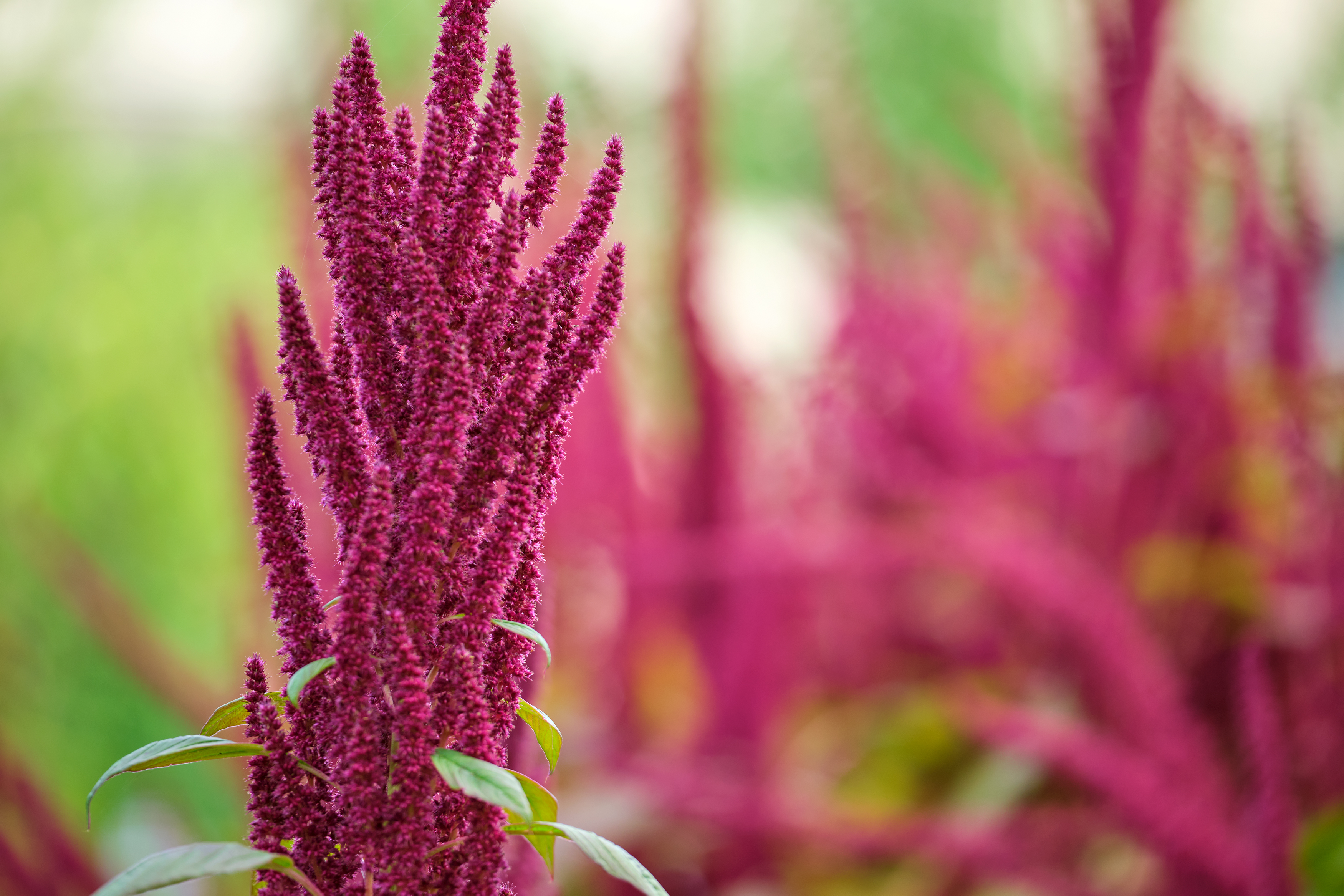
Amaranth (Amaranthus spp.)
Many native amaranth varieties thrive in the Desert Southwest. Some can be aggressive, so choose carefully. These tall, hardy plants provide edible leaves and seeds, and some varieties can be used as natural dyes.
Purslane (Portulaca oleracea)
Often dismissed as a weed, purslane is highly nutritious. Its leaves are excellent in salads and smoothies. With afternoon shade, it can grow nearly year-round in much of the Desert Southwest.
Seasonal Guide
Herbs in the Desert Southwest fall into cool-season annuals (October–May), warm-season annuals (April–November), and perennials.
Cool-season annuals are best planted in fall to establish roots before summer, though spring planting is possible with extra care. Warm-season annuals should be planted in spring to get established before the heat.
Cool-season perennials like French tarragon, lemon balm, marjoram, mint, oregano, and chamomile prefer fall planting, while heat-loving perennials such as Mexican tarragon, lemon verbena, lemongrass, and society garlic do best in spring.
Desert-adapted species such as chiltepin, amaranth, epazote, purslane, and Mormon tea persist year-round, offering structure, shade, and wind protection. Spring planting is usually ideal because the risk of frost has passed, allowing the plants to establish before the summer heat. Fall planting can work too, especially in milder areas, but some protection may be needed for young plants if frost occurs.
Example Southwest Herb Garden Layout
This layout offers plant suggestions for a 4×8 raised bed, a similar in-ground bed, or a cluster of large containers. Tall native herbs create pockets of shade, shelter, and moderated airflow, making it easier to grow classic kitchen herbs.
Back (North) Side — Tall, Heat-Tolerant Natives
- Amaranth
- Epazote
- Chiltepin
These plants could all provide filtered afternoon shade and break hot winds.
Middle Layer — Classic Culinary Herbs
- Basil (warm-season)
- Oregano (cool-season perennial)
- Mint (kept in a buried pot to prevent spreading)
- Lemon balm (cool-season perennial)
Front (South) Edge — Low Herbs and Groundcovers
- Purslane (edible groundcover, year-round)
- Chives
- Parsley or cilantro (rotated seasonally)
A shallow low spot can be incorporated for Yerba Mansa, allowing occasional flood-style irrigation and creating ideal marshy conditions without pooling.
Choosing Herbs
Select a mix of dependable culinary favorites and hardy native plants. Choose one or two tall natives for structure, then fill in with herbs you regularly cook with. Prioritize plants suited to your sun exposure, and include a few that provide shade or wind protection.
Maintenance at a Glance
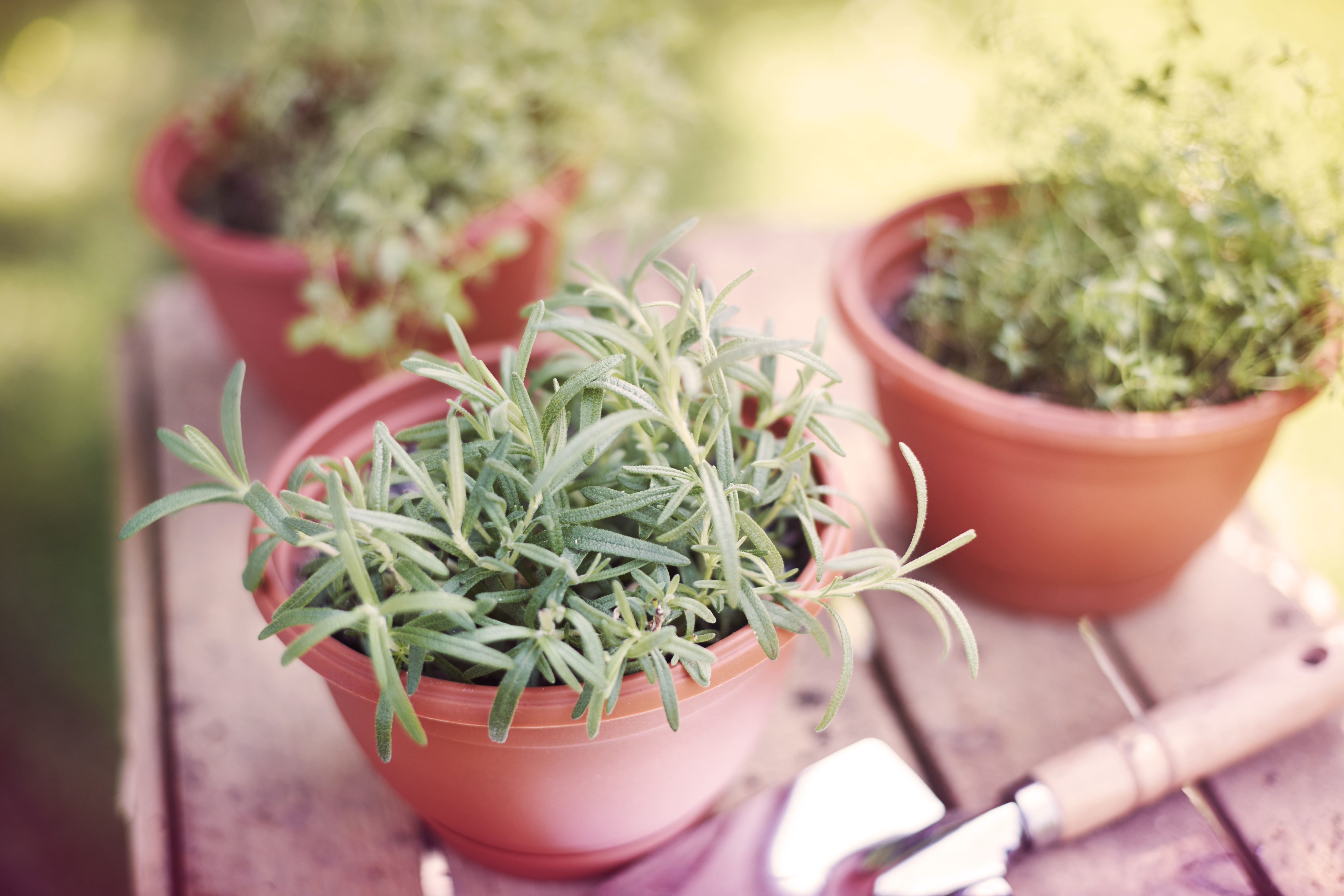
Most herbs thrive when harvested little and often. Pinch basil and mint to encourage bushiness; trim oregano and lemon balm every few weeks; and cut back tall natives like amaranth or epazote if they begin to overshadow neighbors. During heat waves, increase shade and watering slightly, especially for potted herbs. A quick weekly tidy prevents overcrowding.
Conclusion
Growing herbs in the Desert Southwest is a rewarding experience. With thoughtful planning, you can maintain a year-round garden that attracts pollinators, creates pockets of shade and interest, and provides a steady stream of fresh herbs. In a climate often seen as hostile to gardening, herbs invite us to work with the desert rather than against it.