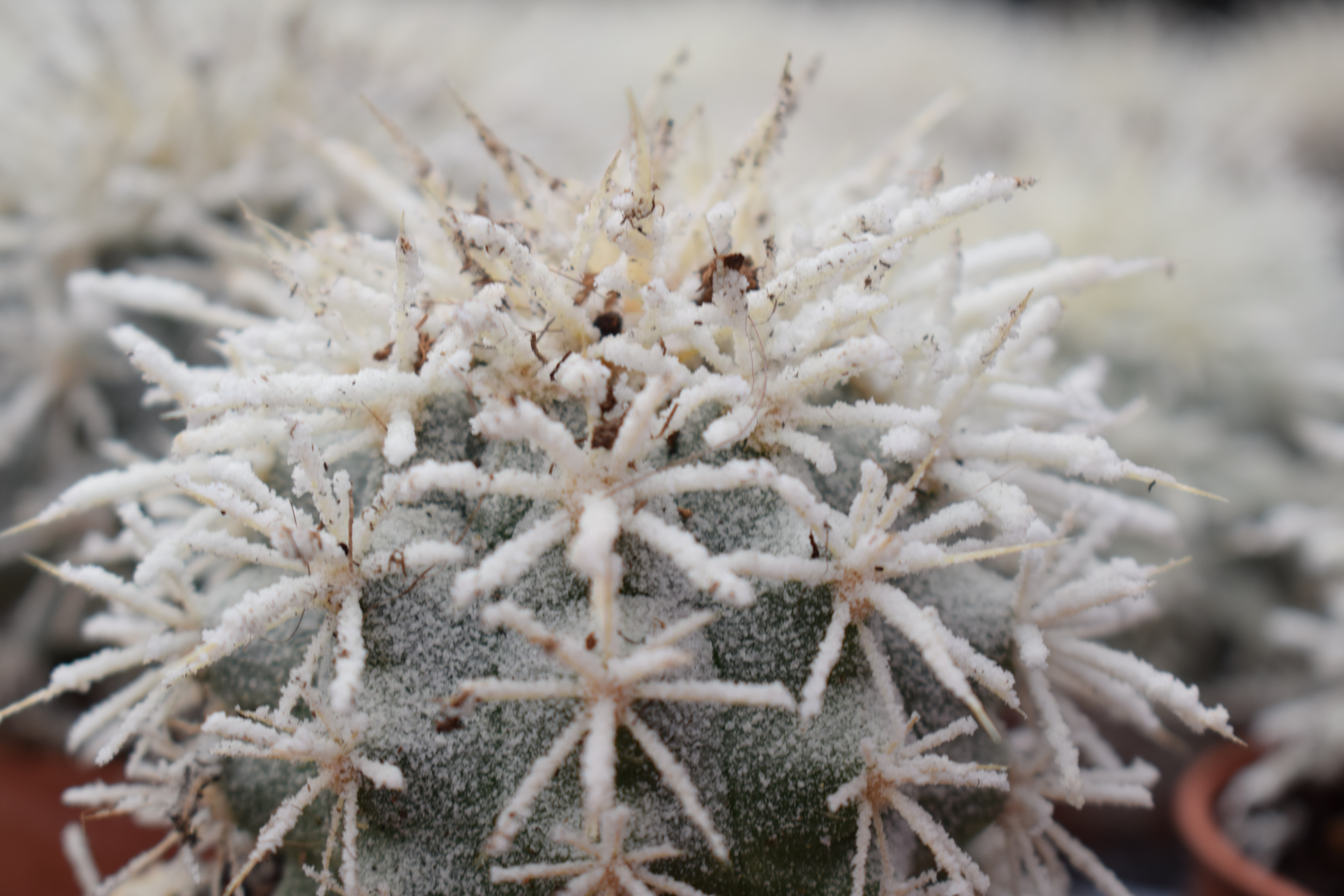
In the Desert Southwest, freezing temperatures tend to be rare, brief, and highly localized, but when they do occur, they can be surprisingly destructive.
A single radiational freeze—characterized by clear skies, still air, and rapidly dropping nighttime temperatures—can damage buds and new growth, and kill young seedlings outright. These freezes can be sudden, often not predicted until the day before, so it’s important to watch the weather.
In this article, we’ll explore how frost behaves in the Desert Southwest, how to plan your garden with frost (and even snow) in mind, and practical ways to prepare for sudden cold snaps when they occur.
Understanding Southwest Frost Patterns
Frost behavior varies dramatically across the region. Higher elevations such as Santa Fe, Moab, and the Mogollon Rim experience long, predictable frost seasons and freezes. In contrast, lower desert valleys, such as Tucson, Las Vegas, and Las Cruces, see much shorter and more sporadic frost windows.
In large metropolitan areas, especially Phoenix, frost events are becoming increasingly rare. One major contributor is the Urban Heat Island (UHI) effect, where infrastructure stores heat during the day and releases it slowly at night, raising ambient temperatures by several degrees.
At higher elevations, frost may be accompanied by snowfall, while lower desert regions are more likely to experience freezing temperatures without snow or moisture.
Large day-to-night temperature swings are common in arid climates, and when frost does occur in the Desert Southwest, it is usually the result of intense radiational cooling. Dry air and clear skies allow heat to escape rapidly from the sandy soil after sunset. Cold, dense air then sinks and pools in low-lying areas such as washes, valleys, and drainage corridors. This means temperatures can dip below freezing overnight, even when daytime highs are 70F or more!
Microclimates
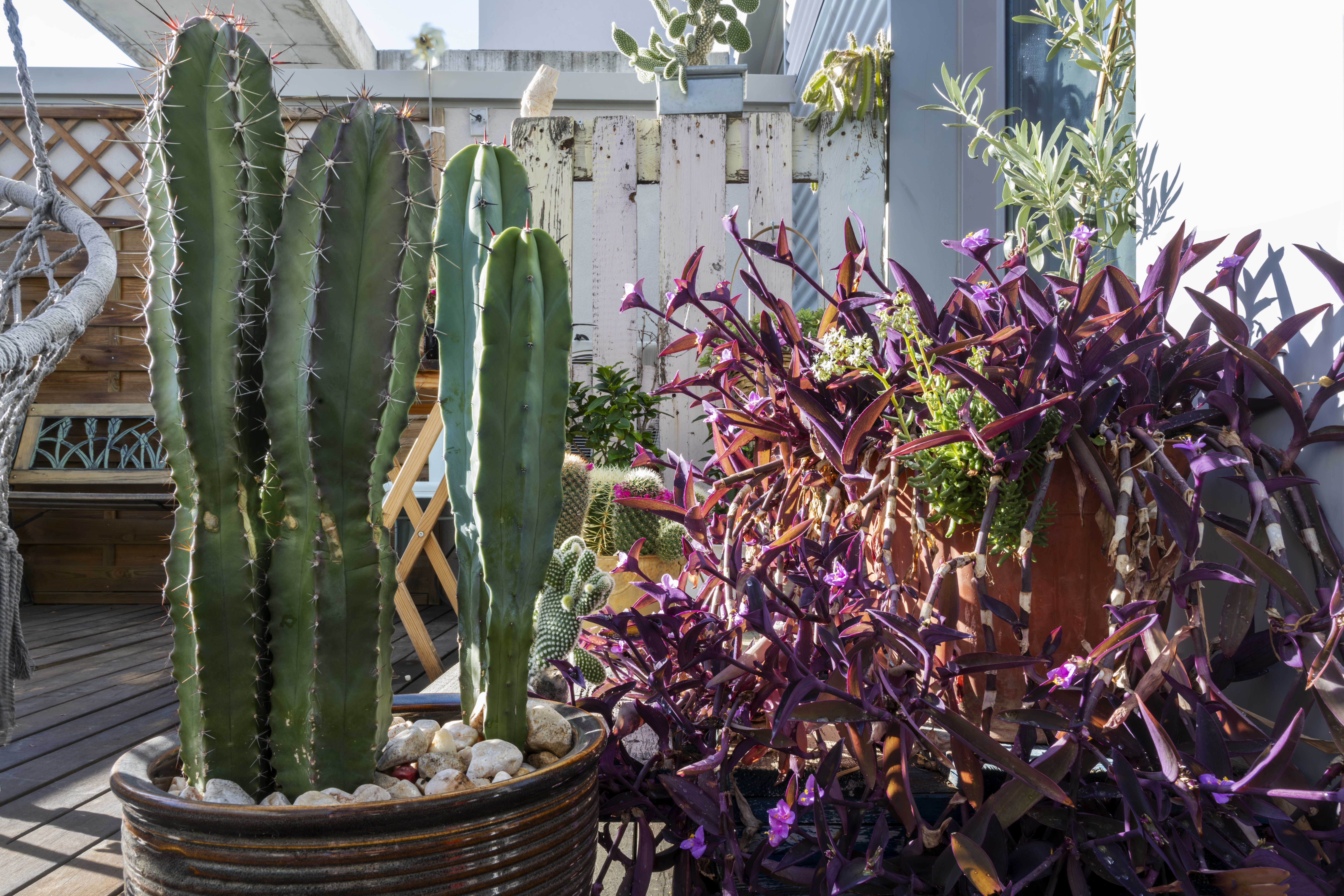
Frost in the Desert Southwest can feel almost fussy. Even on the coldest nights, damage may be limited to specific pockets of your yard while nearby plants remain untouched. Understanding these microclimates—small areas where temperature, airflow, and exposure differ—is very important.
Cold air behaves like water: it flows downhill and pools in low spots. Areas at the bottom of slopes, near washes, or in enclosed north and eastern courtyards often experience colder temperatures than higher or more open ground. Conversely, spaces near buildings, walls, rocks, or paved surfaces tend to stay warmer, as these structures absorb heat during the day and release it slowly at night.
In some areas, this cold pooling may bring light frost alone, while nearby higher ground or higher elevations may see brief snow events instead.
Wind exposure also matters. Still air allows cold to settle, increasing the risk of frost, while gentle air movement can reduce frost formation by preventing cold air from pooling.
By observing where frost forms first (or not at all), you can make more informed planting decisions: placing tender plants in warmer microclimates, reserving colder pockets for frost-hardy species, and utilizing structures and landscape features to your advantage to create a healthier, easier-to-manage garden.
If you’re unsure where your cold pockets are, a single frosty morning will usually reveal them.
Frost Protection Techniques
Now that we understand how frost behaves in the Desert Southwest, we can look at practical ways to manage and reduce frost damage. While no method is completely foolproof, combining several of these techniques can improve plant survival during cold snaps.
Thermal Mass
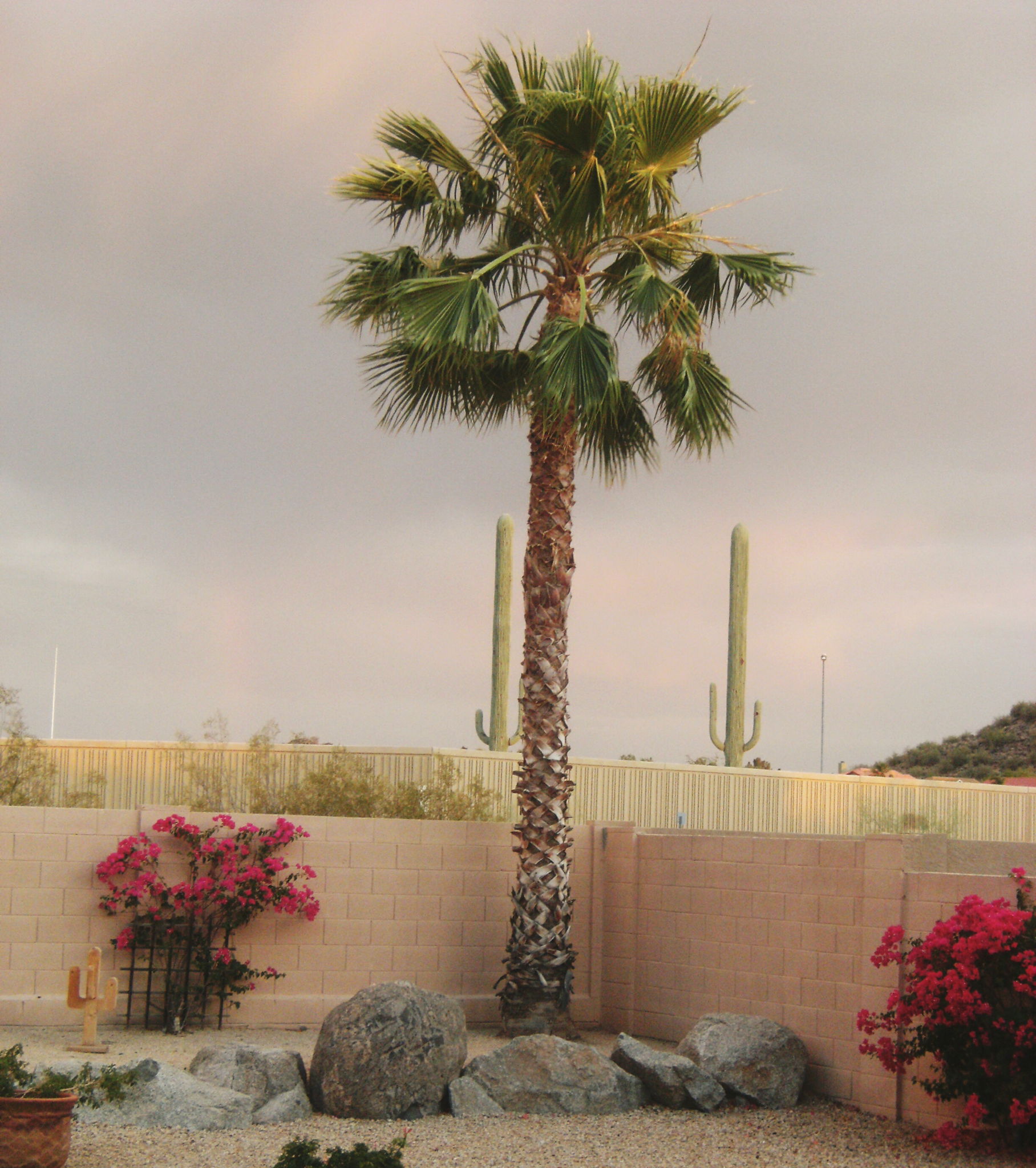
Materials that absorb heat during the day and release it slowly at night create pockets of warmer air around plants. Structures such as your home, garden walls, raised adobe beds, concrete patios or driveways, and large boulders all act as thermal mass.
Planting frost-sensitive species near these features—while ensuring their root systems and growth habits are appropriate for the space—can protect them from most light frosts. South- and west-facing walls are especially effective, as they receive more sunlight during the day and retain heat longer into the night.
Mulch
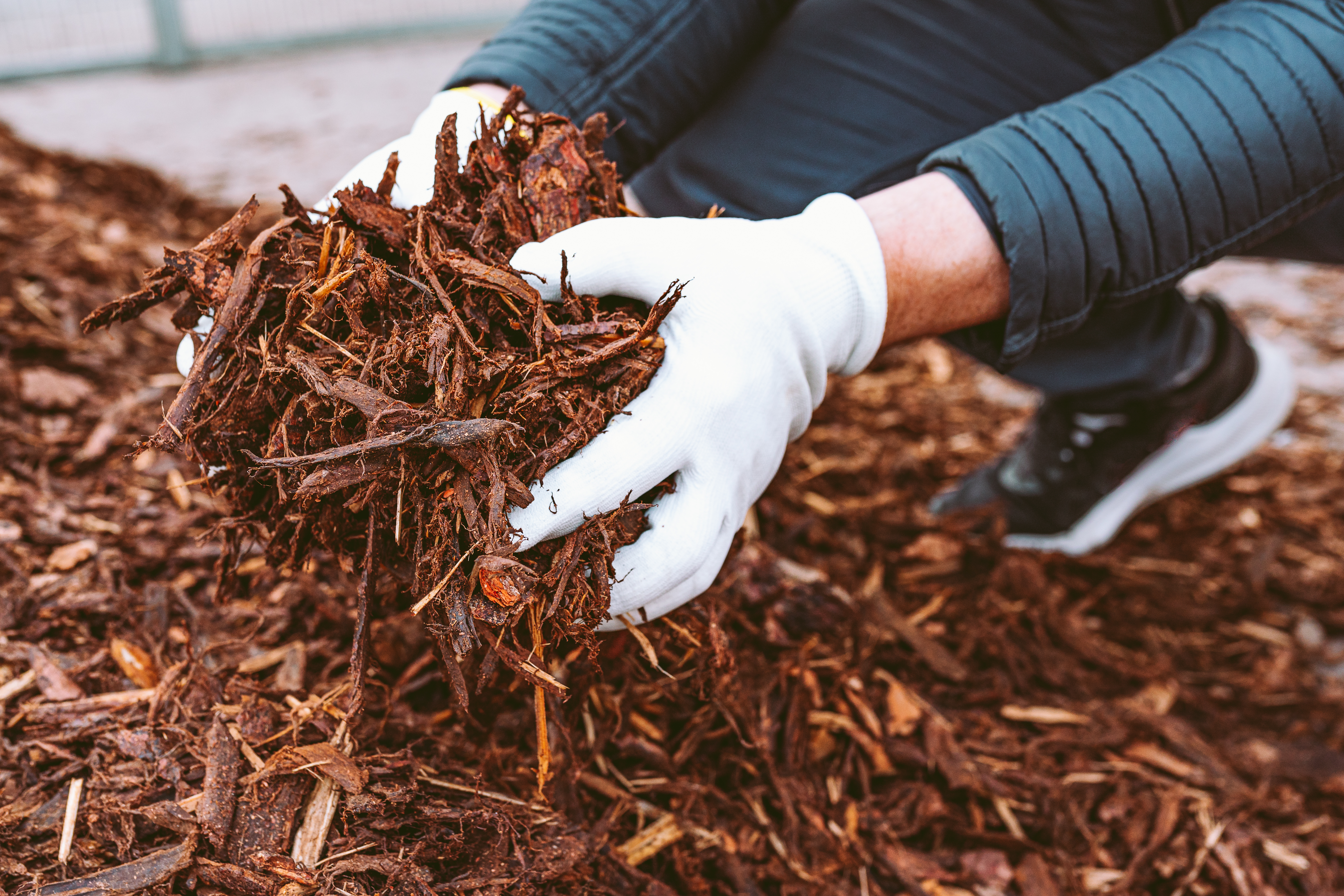
Young perennials, shrubs, and trees often have shallow, delicate root systems that are especially vulnerable to freezing temperatures. A 2–4 inch layer of mulch, pulled back slightly from the stem or trunk to prevent rot, helps insulate the soil and moderate temperature fluctuations.
This insulation can make a critical difference for newly planted or establishing plants. Mature, desert-adapted, or native plants typically need less protection, as they are already well-suited to local conditions.
Nurse Plants
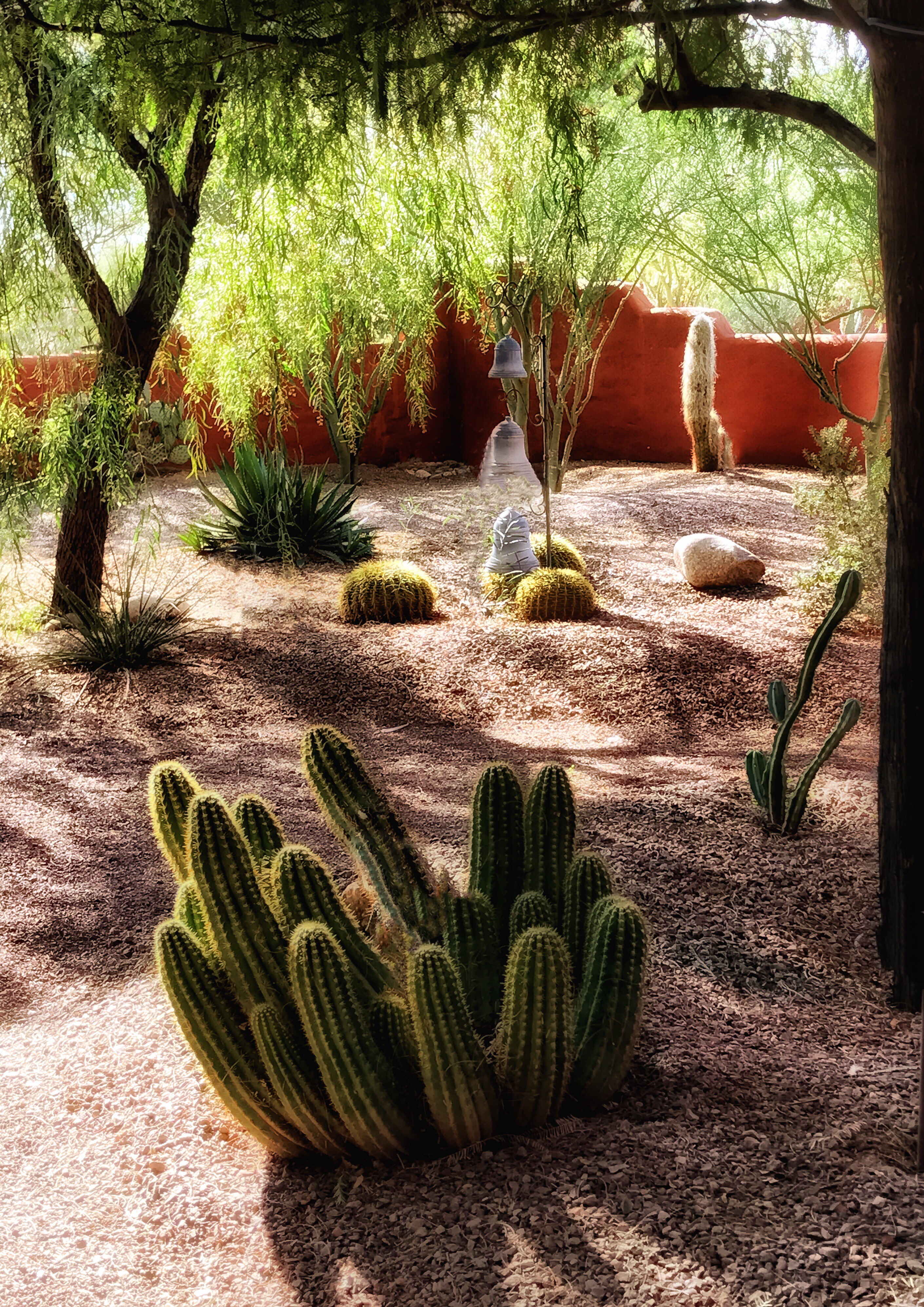
In natural desert ecosystems, plants rarely grow in isolation. Many species rely on nurse plants for protection from sun, wind, and cold, and these same relationships can be used intentionally in the garden.
Trees such as Palo Verde, Mesquite, and Ironwood create sheltered microclimates beneath their canopies, buffering temperature extremes and reducing frost exposure. Nurse plants are particularly helpful for young cacti, agave, and other tender plants.
Covers
Many common, non-native garden plants—including citrus and bougainvillea—are highly frost sensitive and require protection during hard freezes, typically defined as temperatures between 24–28°F.
Simple coverings can be very effective so long as they are breathable. Old bedsheets, pillowcases, towels, or lightweight blankets placed over plants help prevent frost from forming directly on leaves and trap warmer air near the plant. Covers should ideally extend to the ground and be placed before sunset, so they trap warmth from the day rather than cold air from the night. They should be removed once temperatures rise the following morning.
Watering
Managing irrigation around frost events is important. Turning off irrigation the day before a frost allows the soil surface to dry, reducing the risk of root damage from freezing, waterlogged conditions.
Cacti and other succulents should be watered very sparingly in winter. Allowing them to enter semi-dormancy or full dormancy significantly improves their frost tolerance. Well-hydrated, actively growing succulents are far more vulnerable to cold damage.
Pots
Container plants are especially vulnerable to frost because their roots are exposed on all sides. Moving pots closer to the house or into sheltered areas—such as a garage, porch, or carport—can provide crucial protection while keeping plants near their usual temperature range.
Pot material matters as well. Large ceramic pots retain heat and offer some insulation, acting as thermal mass. Wood planters tend to hold moisture that can freeze, providing less protection, while plastic containers offer minimal insulation overall.
Designing for Frost Resilience
While frost protection tools are useful, the most effective strategy is planning your garden so that protection is needed less often. Timing, placement, and plant selection all play a role in reducing frost damage before it happens.
Late-season fertilizing and pruning should be avoided, as both encourage tender new growth that is especially vulnerable to cold. In the Desert Southwest, warm autumn days can be misleading, but it’s best to let plants naturally slow down as winter approaches. Frost-sensitive plants should also be planted after the main frost window whenever possible, rather than rushed into the ground during fall warm spells.
As previously mentioned, placement can dramatically reduce frost exposure. Planting sensitive species in protected pockets, on south or west-facing elevations, or in pots that can be moved as the weather changes makes for a happy garden.
Plant selection ties everything together. Choosing plants that tolerate light frost, go dormant gracefully, or naturally die back and return in spring reduces the need for intervention. Many native and desert-adapted plants are well suited to these cycles, and even fruit trees and ornamentals often have cold-hardy varieties better suited to Southwest conditions.
Wrapping Up
Many plants need cold weather and/or frost to stay healthy, even if not all are fond of them. By combining smart timing, careful placement, and appropriate plant choices with active frost protection techniques, you can create a garden that weathers cold snaps with minimal stress and recovers quickly when warmer days return.