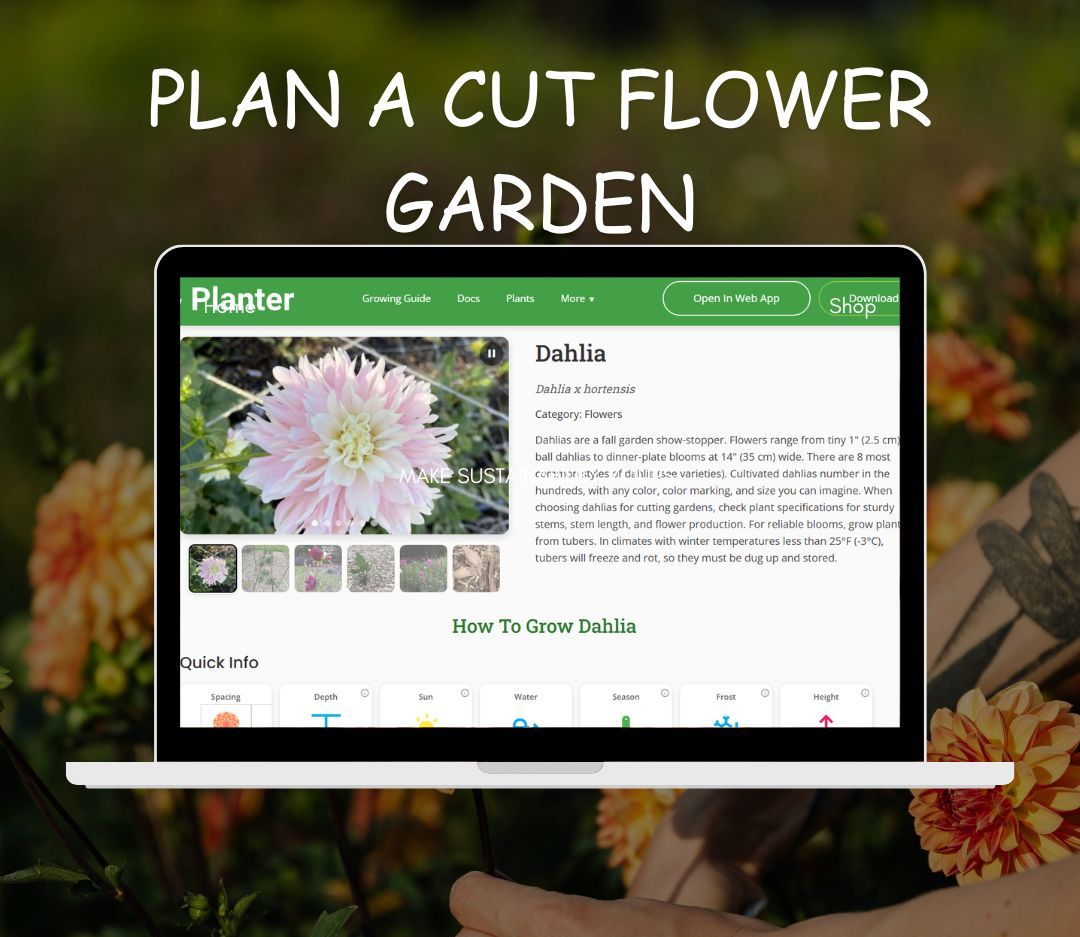
Having a cut flower garden is a great way to bring joy and beauty to your garden. Imagine walking outside, gathering blooms to decorate your dining room table, or putting together a bouquet to sell at your roadside farmstand.
The Bouquet Blueprint
When planning your cut flower garden, consider factors such as sunlight, soil quality, and climate, as these will influence which flowers you can successfully grow. Next, select flowers that bloom at different times of the year to keep the blooms going. Design your garden layout by grouping plants by height, color, and blooming season. If you want early blooms, you can grow some flowers under cover, as in a high tunnel.
Early Blooms
Snowdrop
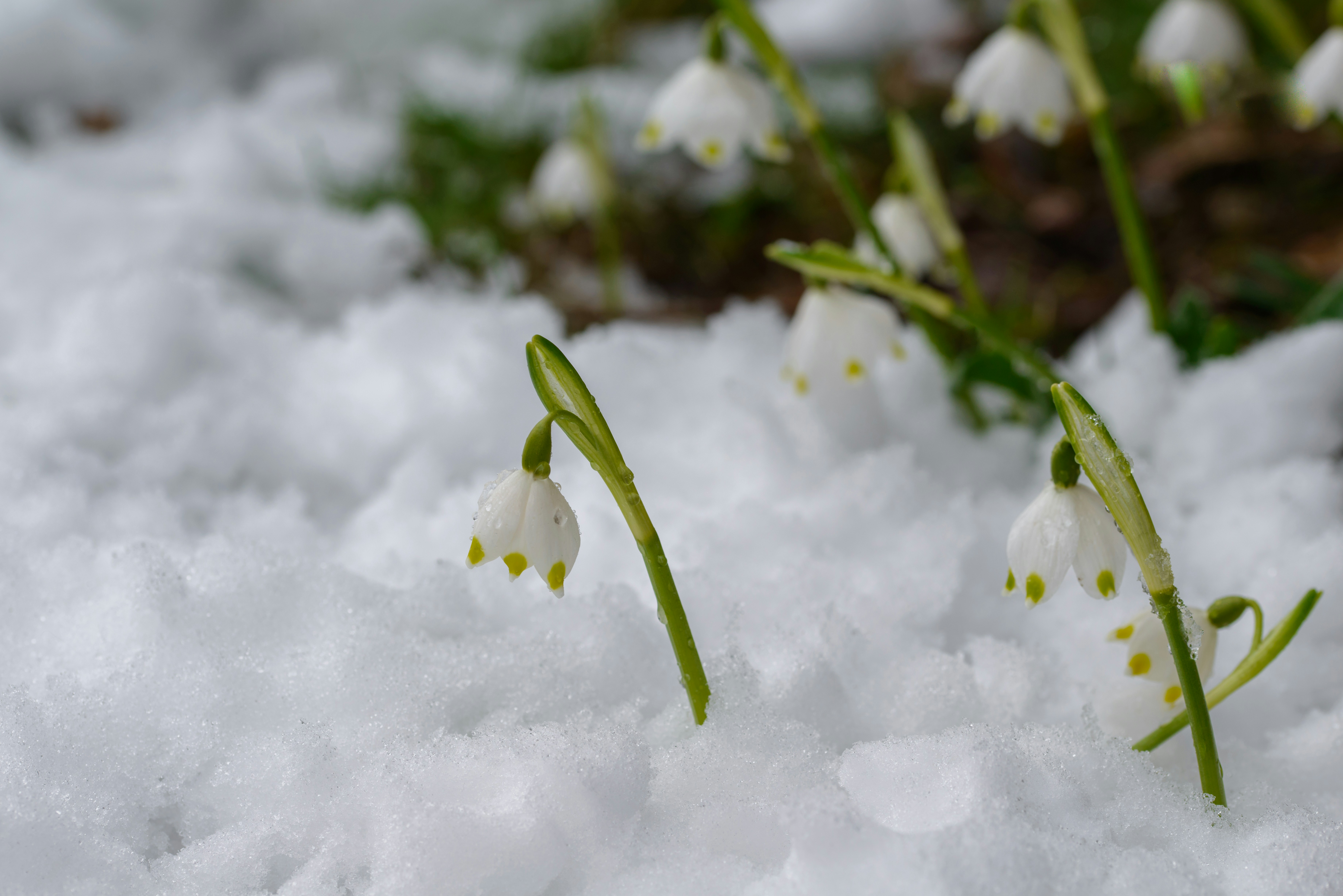
Snowdrops are a welcome sight when spring seems like it’s a far-off dream. Snowdrops are one of the first bulbs to flower, and will (as the name suggests) even flower in snow. Some plants you can combine with snowdrops are crocus, hyacinths, and evergreen cuttings. The giant snowdrop (Galanthus elwesii) is a favorite for its large blooms.
Daffodil
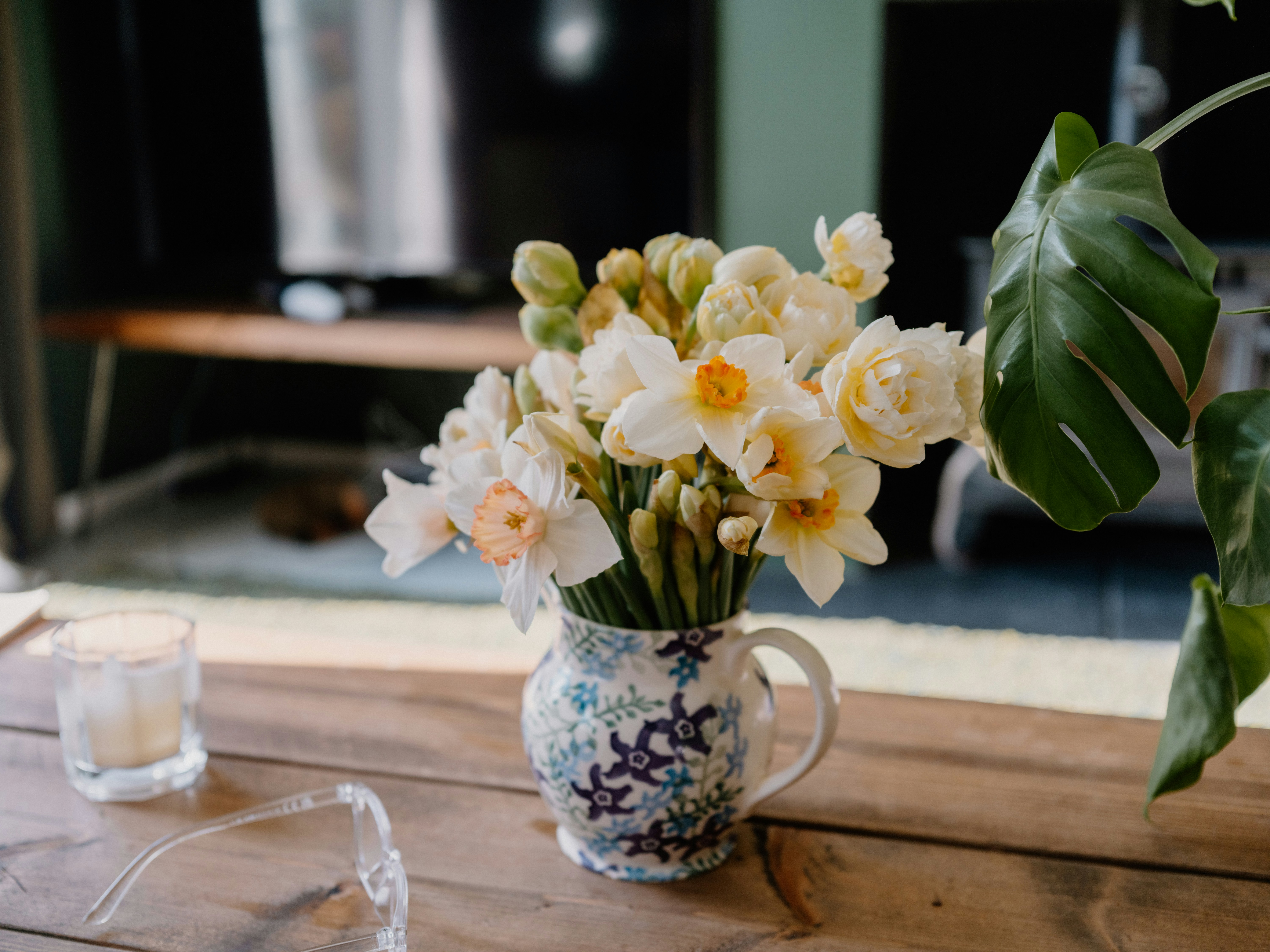
Is there anything more uplifting than the sunshine of a yellow daffodil on a blustery spring day? Daffodils make an excellent cut flower. Plant a row in the fall and await that first glorious bloom. Daffodils come in many sizes and variations of yellow, white, and orange.
Ranunculus
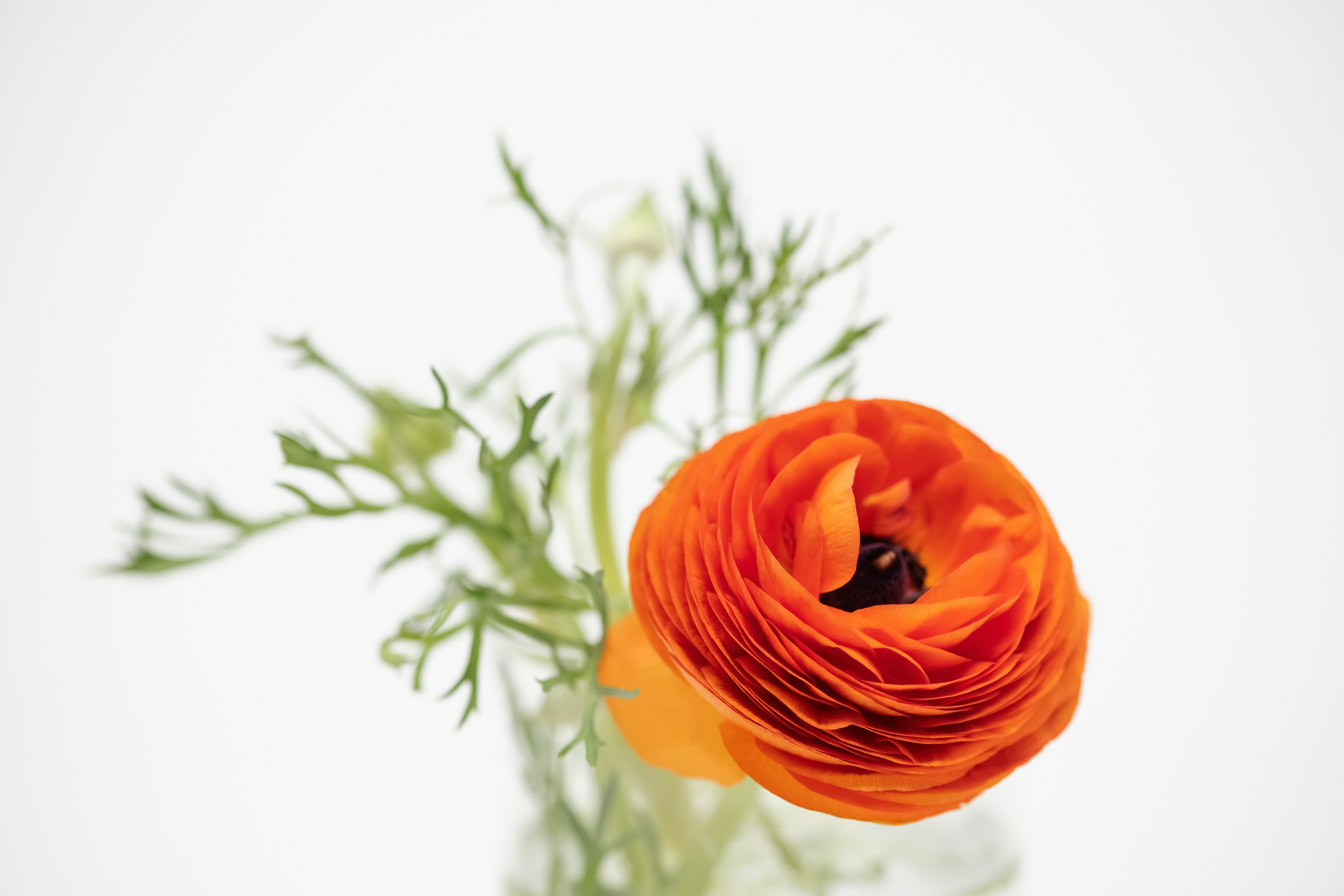
Ranunculus is known as “the rose of spring” since it resembles a rose. These flowers love cold weather and it will go dormant when the temperatures go above 80 degrees F/ 26 C. Flowers bloom in a rainbow of colors. After they have bloomed and died back, lift the corms (the thick underground stem), and let them cure in a dry place out of sunlight. When they have dried out, store them in a cool, dark, and dry place. You can start the corms indoors around 6-8 weeks before your last frost.
Spring Bloomers
Tulips
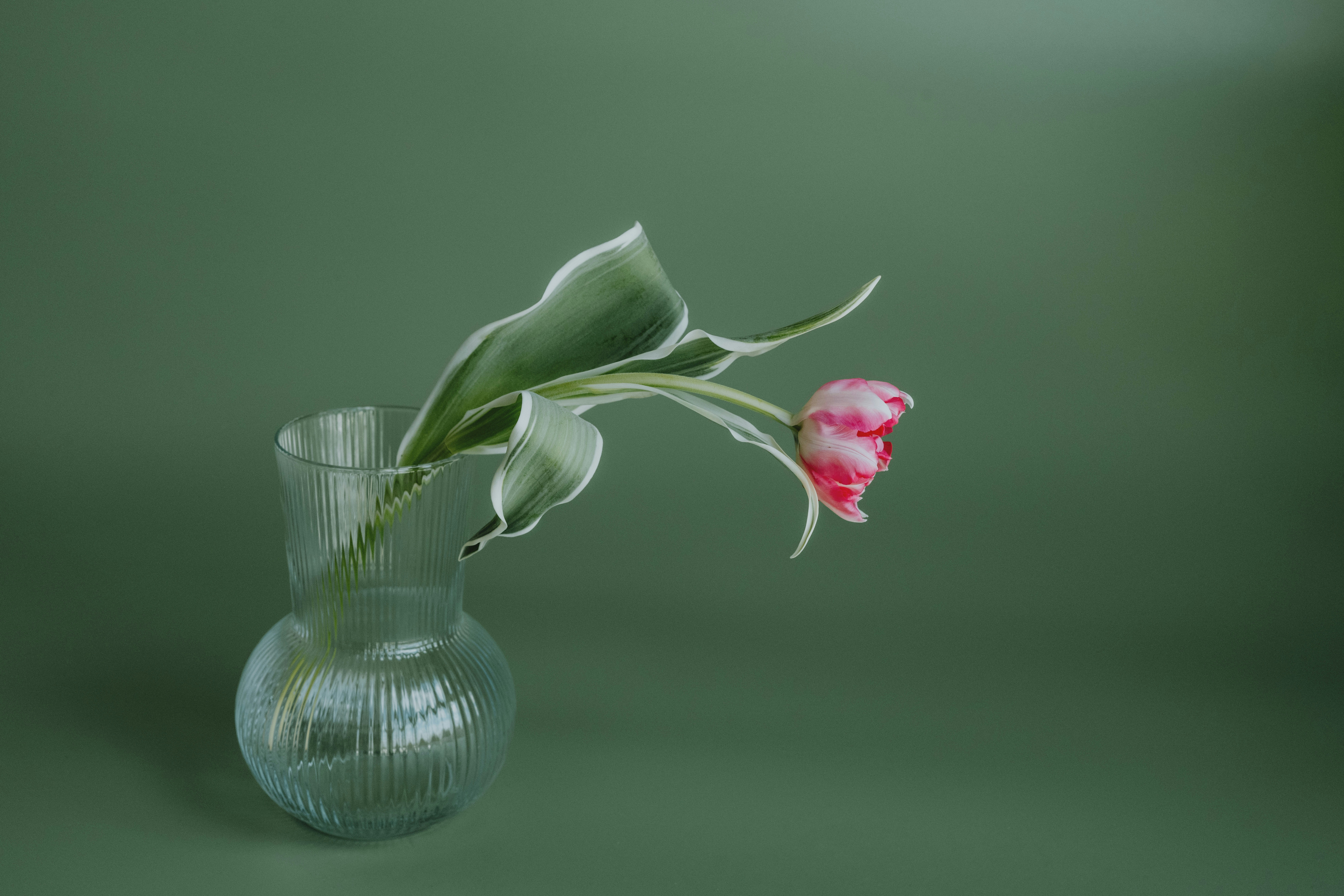
In the fall, plant a mass grouping of tulip bulbs to display in vases in the spring. There is such a wide variety to choose from, and some are early- to late-spring bloomers. Plant different varieties to maximize the tulip season.
Sweet Peas
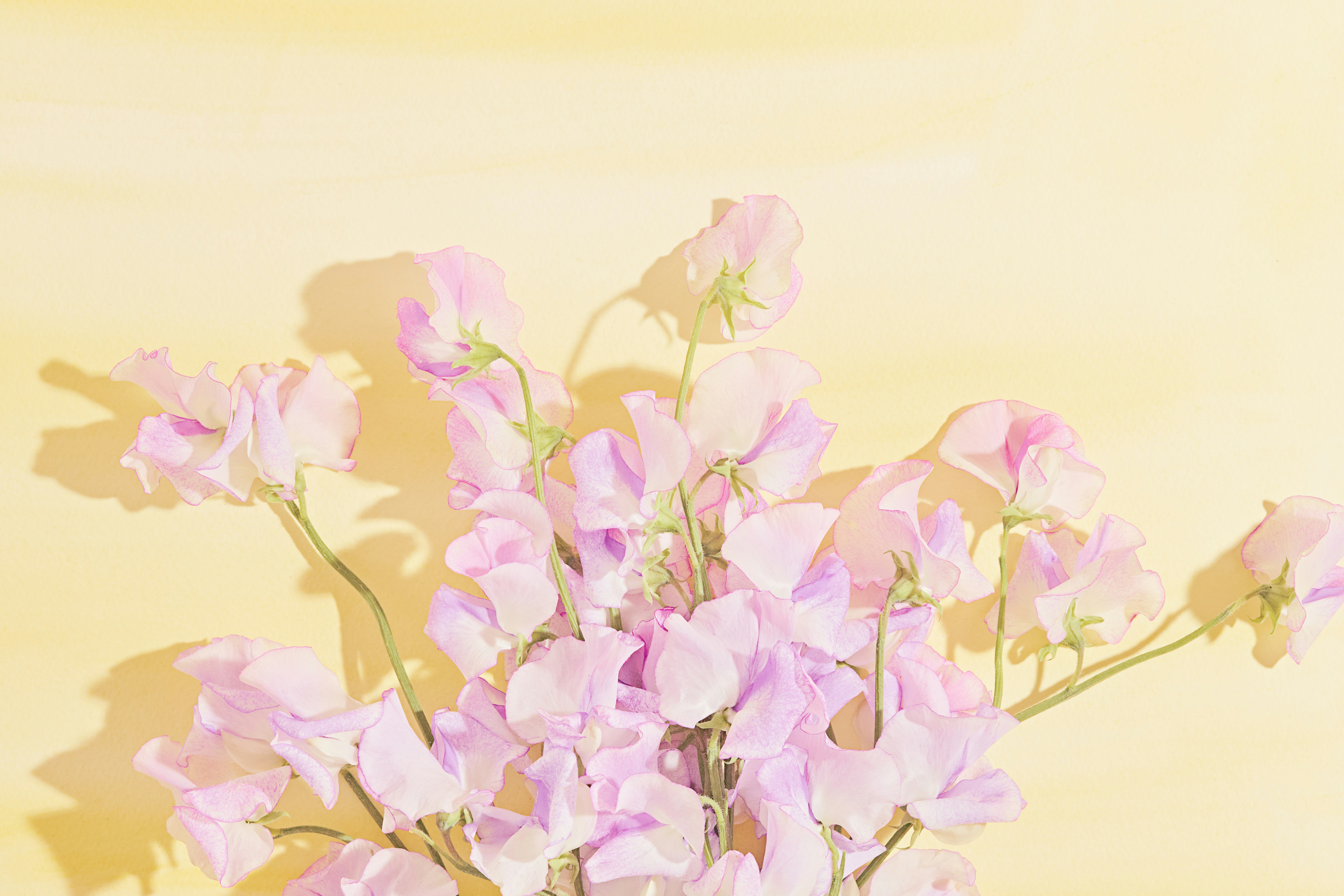
Sweet peas are a classic flower that adds a vintage feel to bouquets. Sweet pea flowers have a wonderful perfume, and the more often you pick, the more blooms you will get. Sweet peas are climbers and need a trellis or some type of support to grow on. Sweet peas thrive in the cooler spring months, but some varieties are more tolerant of heat, such as ‘Old Spice.’ All parts of the sweet pea are poisonous, so use caution when it comes to kids and pets. Do not confuse the plants with edible peas; plant them away from these.
Summer Bouquets
Cosmos
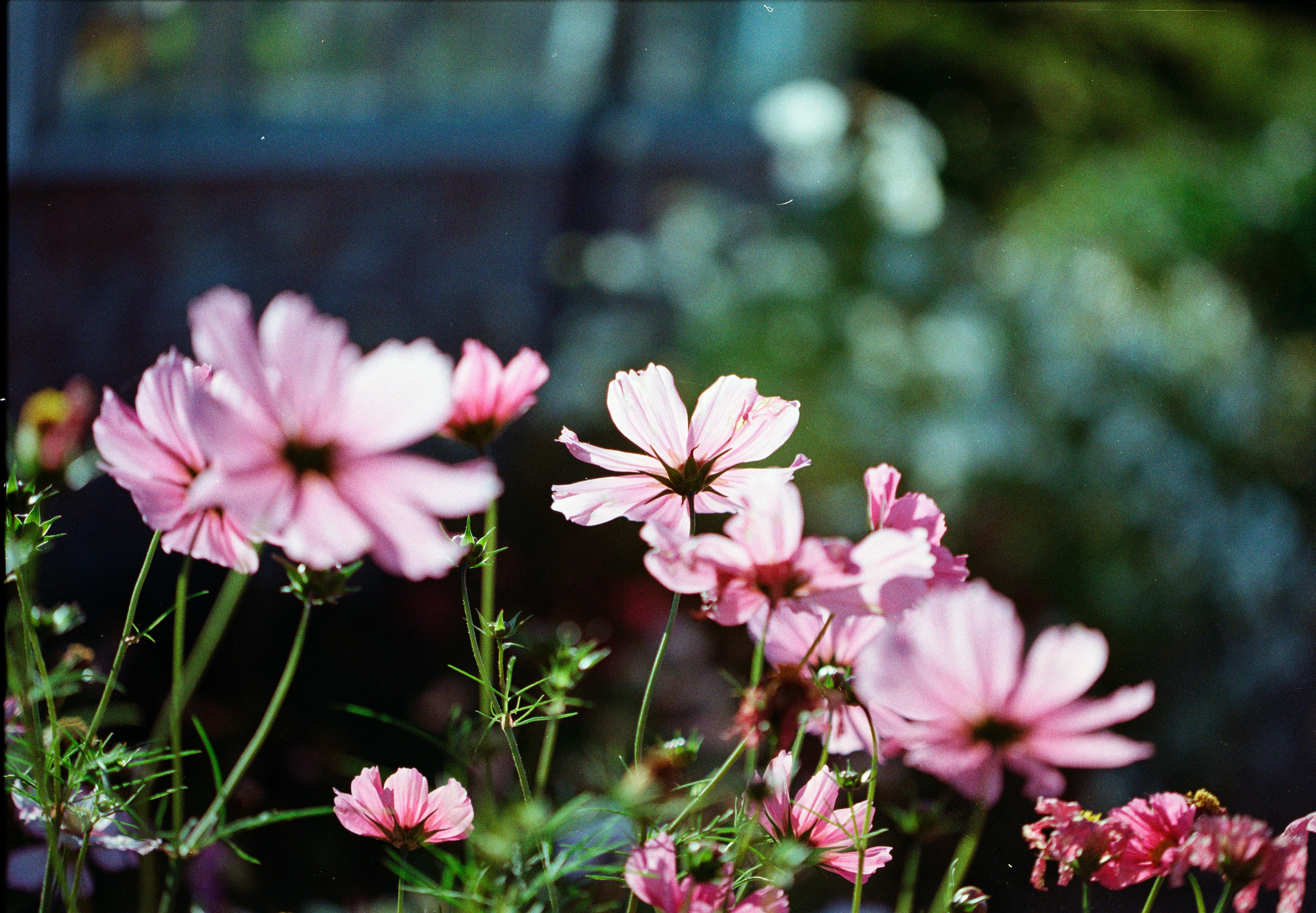
Cosmos are the perfect flower for adding whimsy to bouquets. Cosmos come in shades of red, pink, orange, yellow, and white. Cosmos offer a long growing season, just make sure to dead-head spent blooms to keep them going. These flowers prefer hot, dry areas of the garden and don’t need much fertilizer.
Dahlia
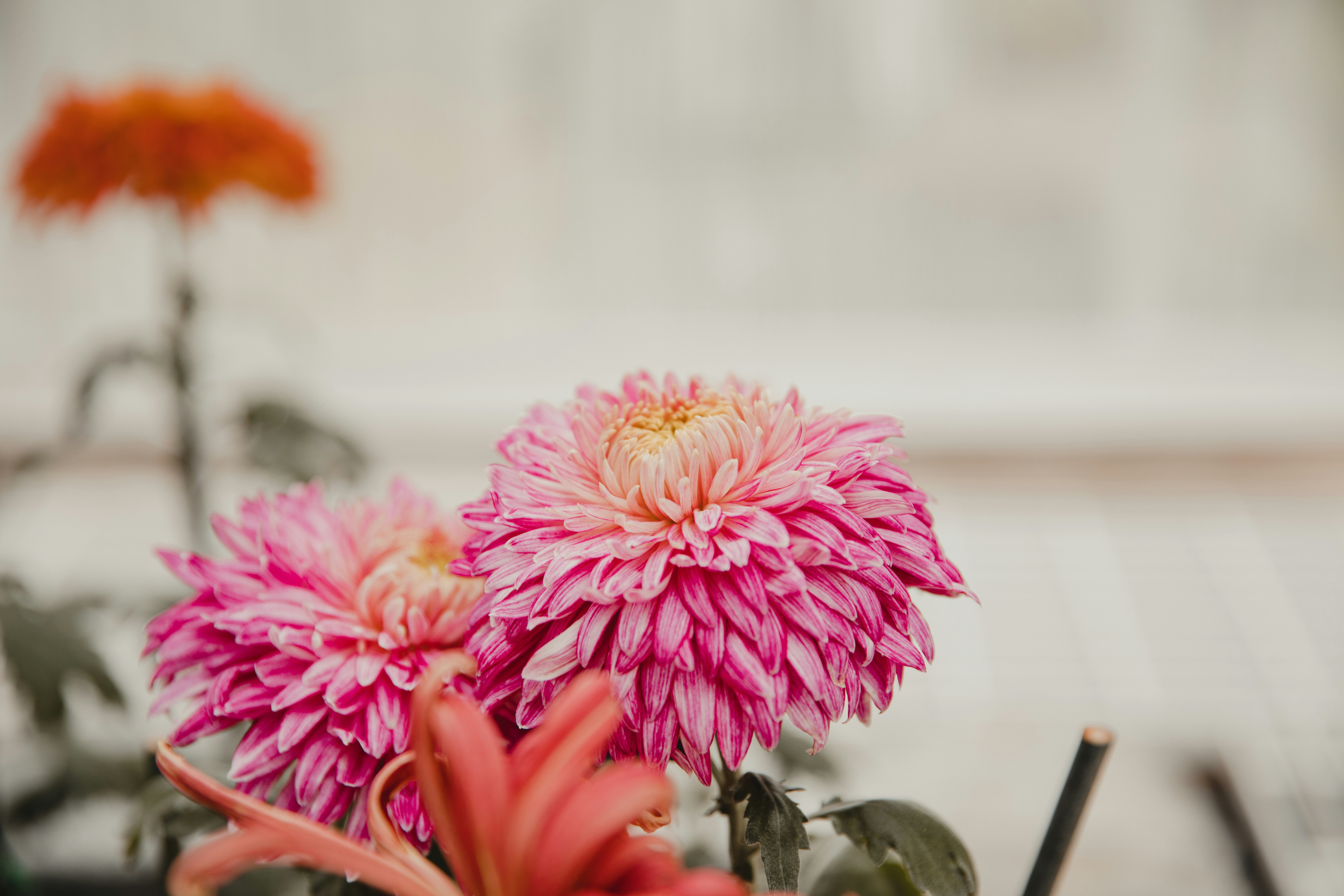
Dahlias are an incredible addition to any flower garden due to their long blooming season (right until the first frost) and the selection; with thousands of cultivars, you’re sure to find a few dahlias to love. They come in all kinds of colors, sizes, and petal shapes. Some look like pinwheels, and some flowers are the size of dinner plates. It’s important to dig up tubers in the fall if you live in an area where the ground regularly freezes or where heavy rain can make the tubers waterlogged.
Sunflower
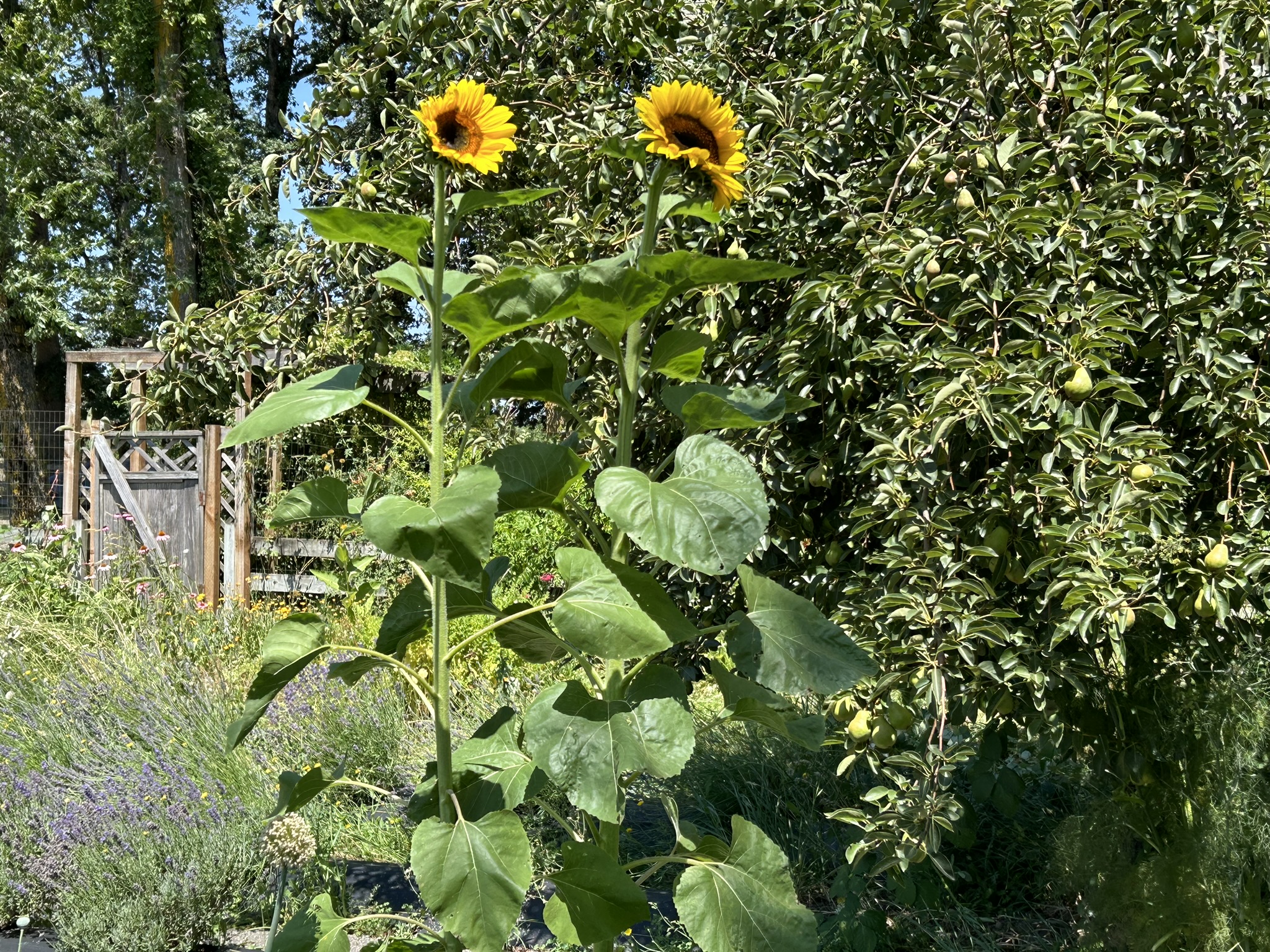
Sunflowers are one of the easiest flowers to grow from seed. These familiar flowers can tolerate many types of soil and a great for pollinators, too. There are varieties that are single stem and pollenless so they won’t make a mess.
Zinnia
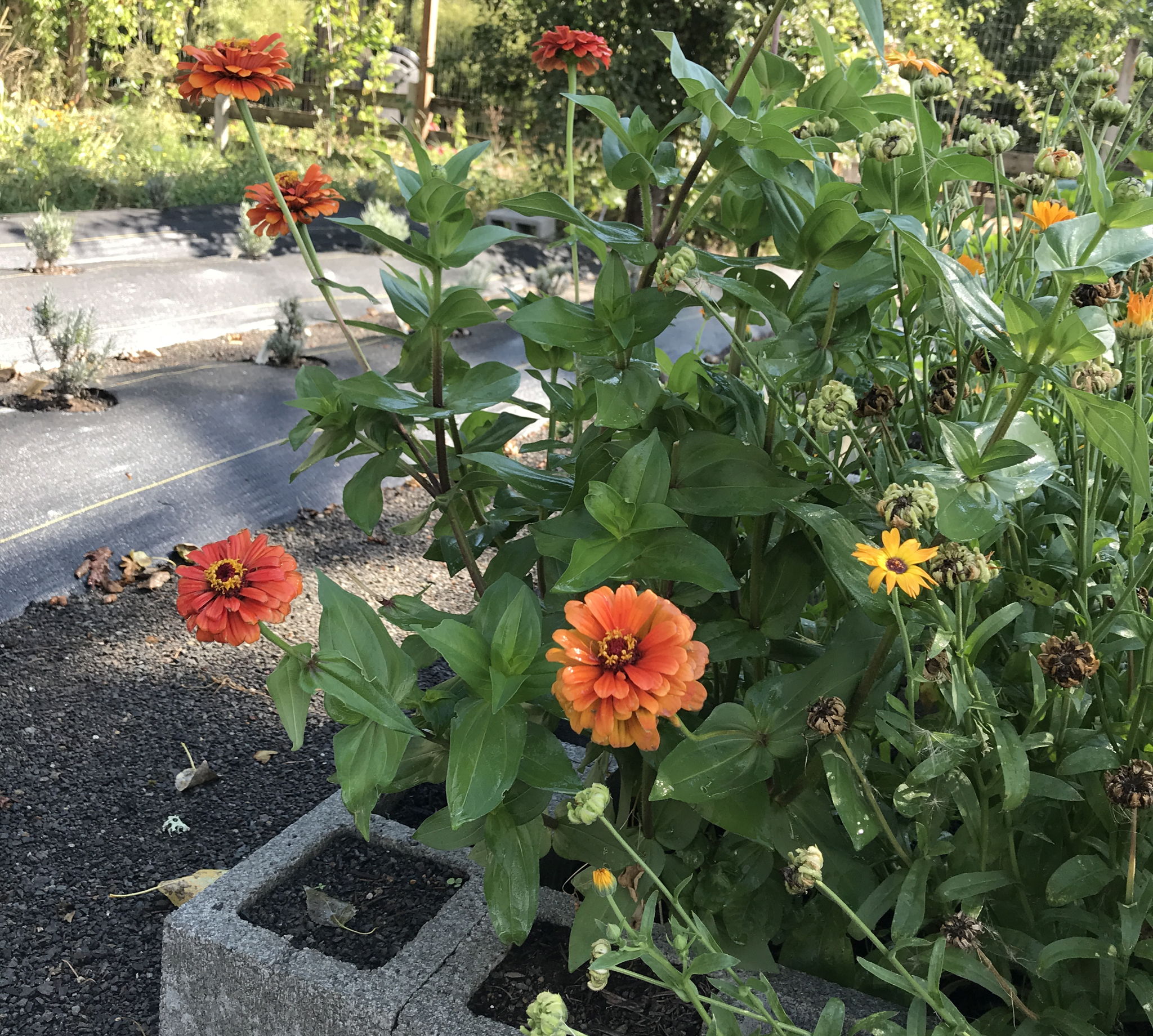
Zinnias are vigorous bloomers and keep blooming until frost. They do especially well in the heat. They come in many vibrant and bright colors. They also come in softer colors and whites, too. They are perfect for first-time flower growers because they are fuss-free as long as they have good drainage and soil rich in organic matter. Don’t skip zinnias in your cut flower garden.
Foliage Filler
When designing your cut flower garden, it’s a good idea to think beyond the blooms. It’s nice to add foliage as a bouquet filler. Think airy additions like fennel or ferns. Surprisingly, many flowers don’t have much scent, so herbs can be a great addition. Basil, mints, lemon balm, rosemary, and lavender can add delicate scents to bouquets. Don’t be afraid to be unconventional and add some fruit and veggies to your bouquets! Create a touch of surprise by incorporating blueberry plant clippings or cherry tomatoes still on the vine.
Dried Bouquets
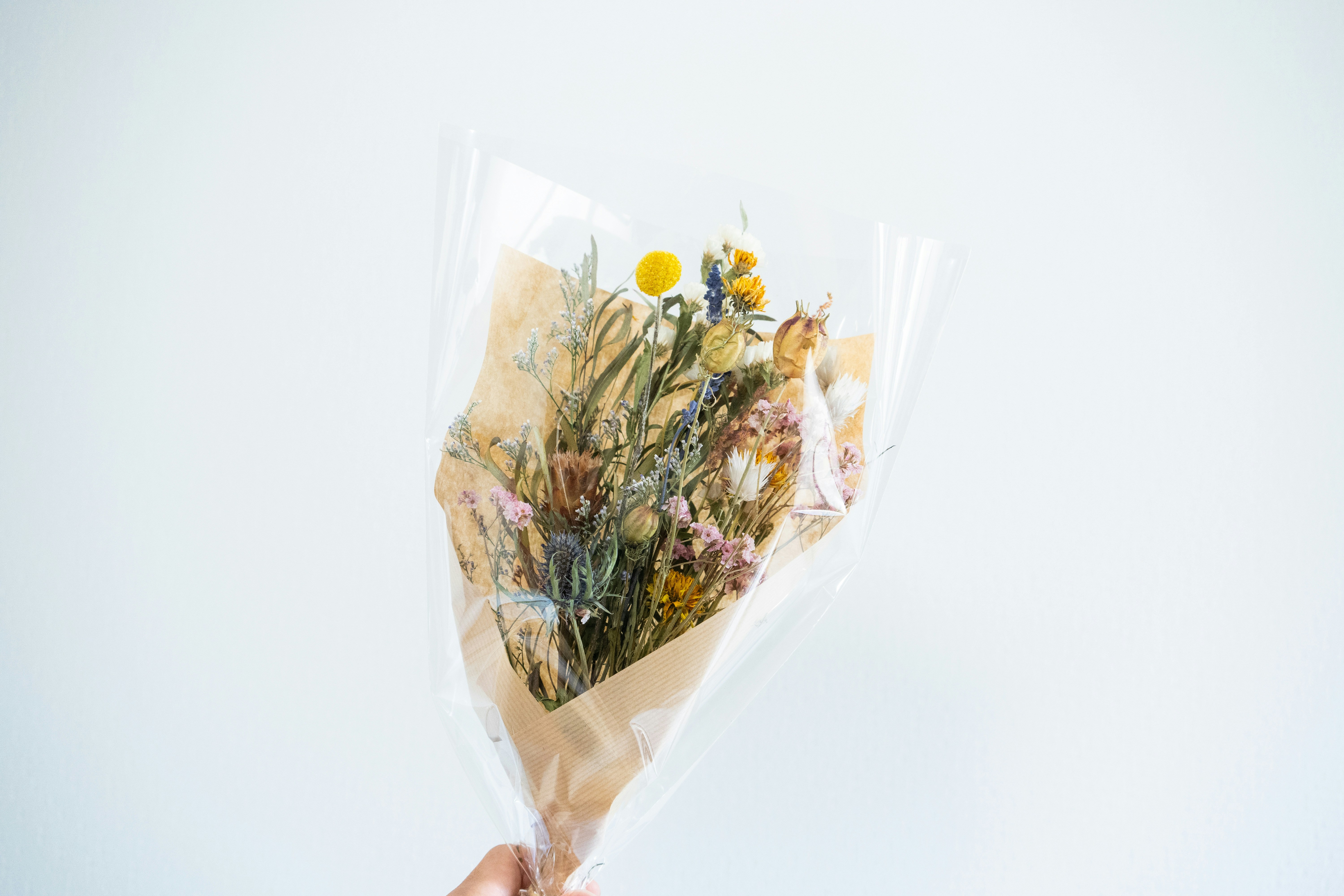
Dried bouquets are lovely because they can be enjoyed for many months. But not every flower is a good drying candidate. Some turn brown and crumbly. Here are some flowers that are good for drying:
- Baby’s breath
- Calendula
- Echinacea
- Feverfew
- Hydrangea
- Lavender
- Queen Anne’s Lace
- Roses
- Sunflowers
- Yarrow
- Valerian
Start Planning
With summer quickly approaching, now is the best time to start creating the cut flower garden of your dreams. With the Planter App, you can visualize what your garden will look like and get expert growing tips right inside the app.