
Sometimes called “nature’s cement,” caliche is a hardened layer of calcium carbonate that binds rock, sand, and soil together into a cement-like barrier that roots—and water—struggle to pass through. In the Desert Southwest, caliche can create real challenges for gardeners, affecting drainage, root growth, and overall soil health. In this article, we’ll look at some practical ways to manage caliche in your yard.
A Bit More About Caliche
Caliche is common in desert environments from the USA to Australia. As rain falls, it dissolves calcium that’s continually added to the soil. That calcium then combines with carbon dioxide in soil water, forming calcium carbonate deposits. Over time, these deposits build up, forming anything from small nodules to thick, continuous layers.
Caliche is generally light-colored—ranging from white to pale pink to reddish-brown—and can be found in layers anywhere from a few inches to several feet thick.
Not all desert soils contain caliche. Its formation depends on several factors, including rainfall, water infiltration, and soil drainage. The Desert Southwest is particularly prone to caliche, partly because it receives relatively high rainfall for a desert climate.
Why Caliche Is Hard on Plants
Caliche can cause several problems for plants:
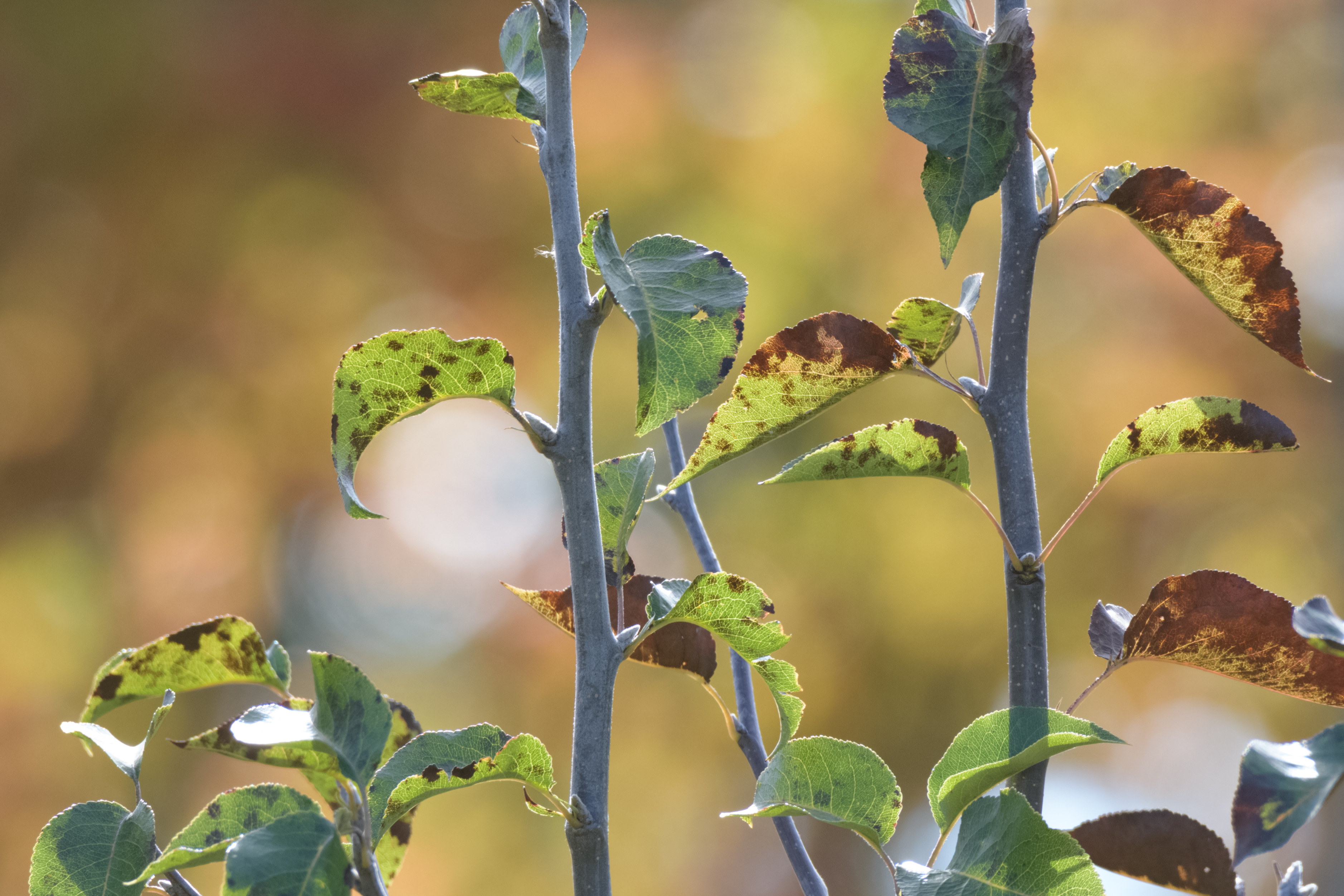
- Salt buildup. Because caliche traps water near the surface, evaporation leaves salts behind in the upper soil layers, creating conditions most plants don’t tolerate well.
- Poor drainage. Caliche is dense and non-porous, so water often pools above thick layers and may not reach plant roots at all.
- Limited room to grow. Roots rarely penetrate caliche. Trees, in particular, struggle to grow deep roots, which makes them more vulnerable to monsoon winds.
- Nutrient issues. Caliche’s high pH can interfere with nutrient uptake, commonly leading to iron deficiency.
How to Manage Caliche
Unfortunately, there’s no easy fix for caliche. In most cases, the most effective approach is to remove it—partially or completely.
Start by removing enough caliche to dig a hole large enough to support the mature root system of the plant. If you’re unsure how large that should be, local nurseries or university extension services are often excellent resources.
Ideally, the hole should be dug all the way through the caliche layer so water can drain properly. If that isn’t practical, dig smaller drainage holes—or “chimneys”—through the caliche to give water somewhere to go.
Caliche is extremely hard, so take care. Use appropriate tools, take breaks, or consider professional help. (I once severely sprained my wrist trying to tackle a caliche layer myself, and I wouldn’t recommend repeating that experience.)
If digging deeper isn’t an option, you can add planting depth by building up the soil level instead. Be sure to grade the surrounding area so water doesn’t pool or run off excessively.
Before planting, it’s important to test drainage. Fill the empty hole with about five inches of water. If at least four inches of water drain within four hours, drainage should be adequate.
Discard any removed caliche, and keep the soil mix consistent throughout the planting hole and any drainage chimneys. When placing chimneys, avoid putting one directly beneath the root ball. Instead, dig two or three around the edges of the hole to encourage healthy water movement while reducing the risk of root rot.
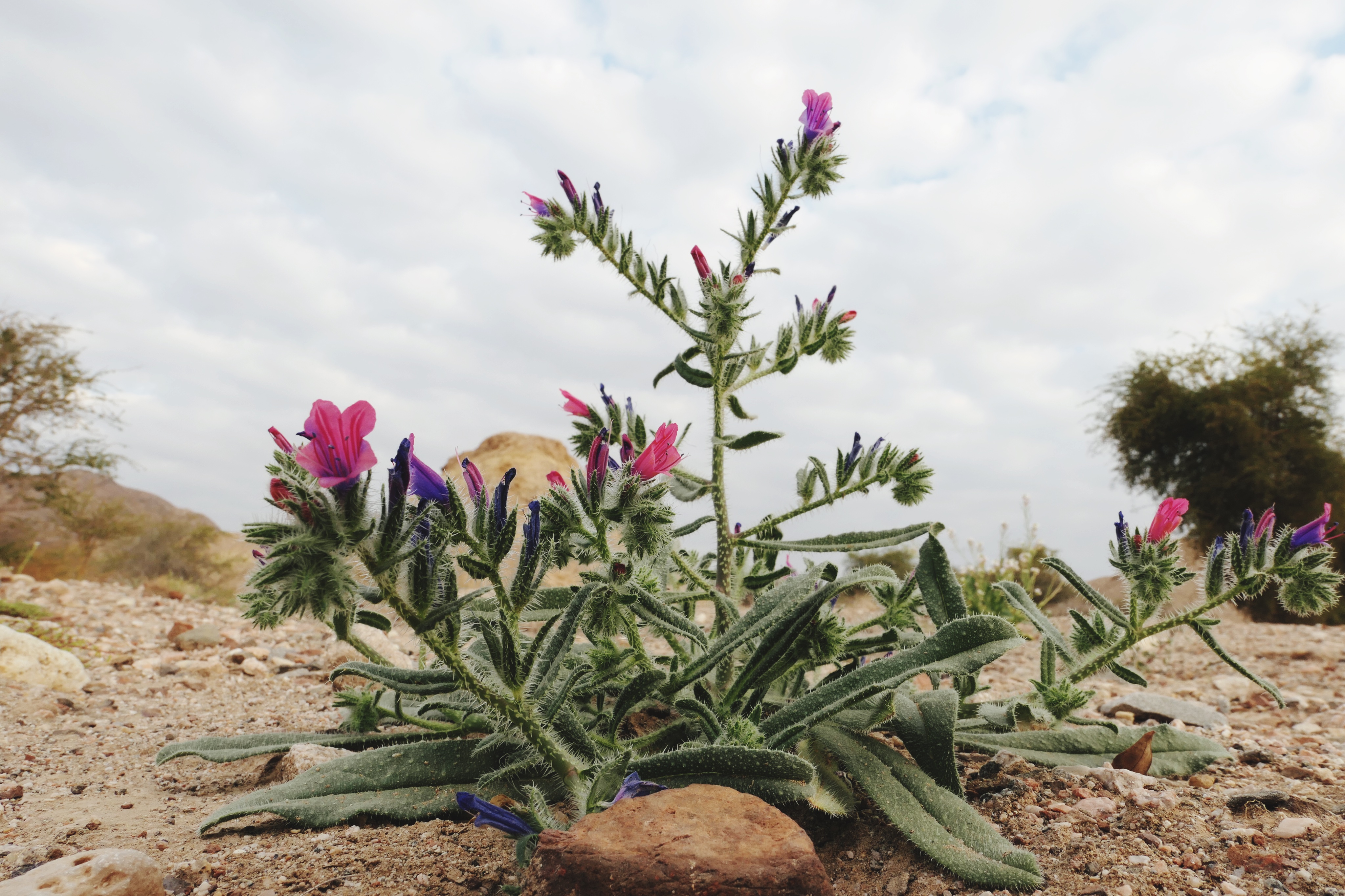
If removal isn’t practical, consider planting native species that tolerate caliche well, such as muhly grasses and shallow-rooted wildflowers.
Can Soil Additives Help Reduce Caliche?
Soil additives won’t dissolve existing caliche layers, but they can help slow future buildup and improve growing conditions above and around it, releasing many of the nutrients caliche tends to lock away.
Organic matter is the most useful long-term addition. Compost, leaf mold, and well-rotted manure improve soil structure, increase water infiltration, and encourage microbial activity. Over time, this helps water move more evenly through the soil, reducing the conditions that allow calcium carbonate to accumulate in hard layers. Regular additions are more effective than a single large one.
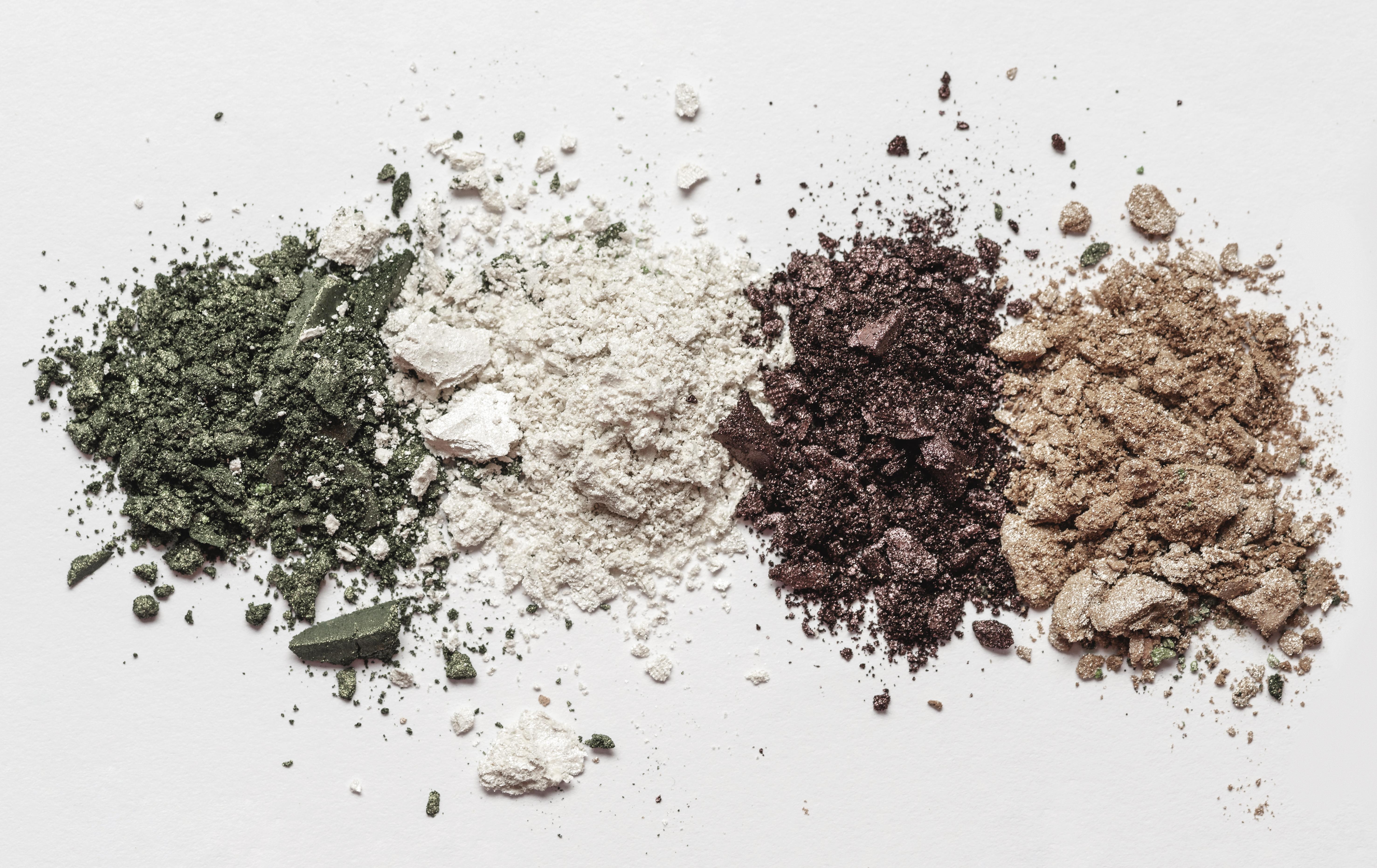
Acidifying amendments, such as elemental sulfur, can slightly lower soil pH over time. This may improve nutrient availability—especially iron—but changes happen slowly and only affect the amended zone. These products should be used cautiously and ideally based on a soil test. Coffee grounds and sustainably harvested peat moss can also help, though coffee grounds may inhibit seed germination if used heavily.
Mulch plays an often-overlooked role. A thick organic mulch reduces surface evaporation, helping limit salt buildup and slowing the upward movement of minerals that contribute to caliche formation. It also protects soil structure during heavy rains.
What Not to Do
In the frustration of dealing with caliche, it’s tempting to reach for quick fixes. Unfortunately, many commonly suggested remedies either don’t work or can actively harm your soil.
Strong acids, including vinegar or commercial acid solutions, should generally be avoided. While acids can react with calcium carbonate on contact, their effects are extremely localized and short-lived. Used improperly, they can damage beneficial soil organisms, burn plant roots, and destabilize soil structure without meaningfully reducing caliche layers. These methods should only be considered with proper knowledge or professional guidance.
Mechanical breaking without follow-up is another common mistake. Simply punching holes into caliche without improving drainage or soil structure often leads to water pooling and root rot. Any break in the caliche should be paired with a consistent soil mix and a clear path for drainage, so caliche doesn’t easily re-form, and so the soil above remains stable.
Finally, avoid the idea that caliche must be completely eliminated. In most Southwest landscapes, working with caliche—by improving the soil above it, managing water thoughtfully, and planting appropriately—is far more effective than trying to fight it outright.
Conclusion
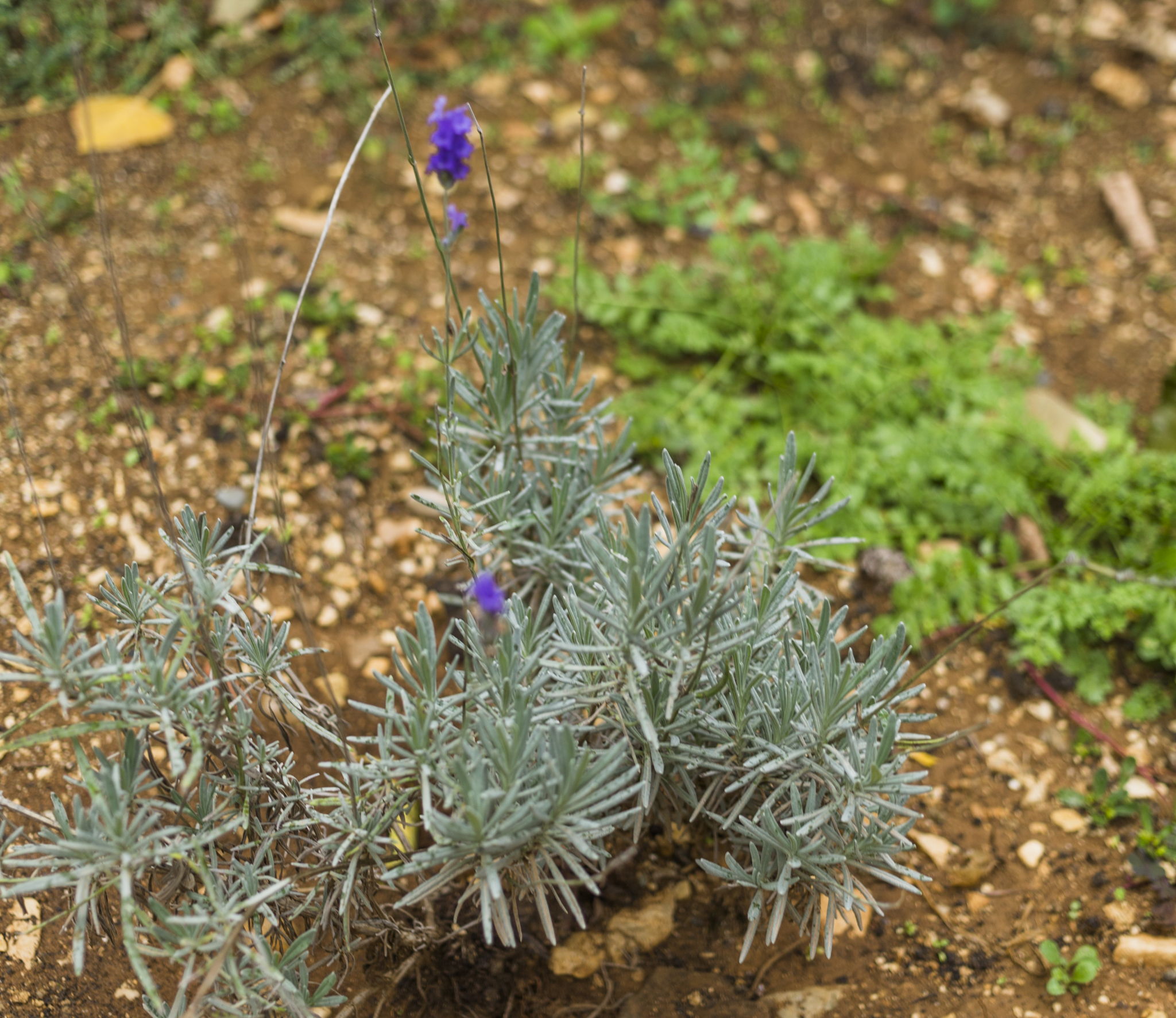
There are many practical ways to manage caliche in your garden. From raising the soil level above it, to planting native species that tolerate it well, to punching through it thoughtfully to improve drainage, caliche can be worked with rather than against. And if you happen to pull out a few large chunks along the way, they can make surprisingly attractive garden rocks.