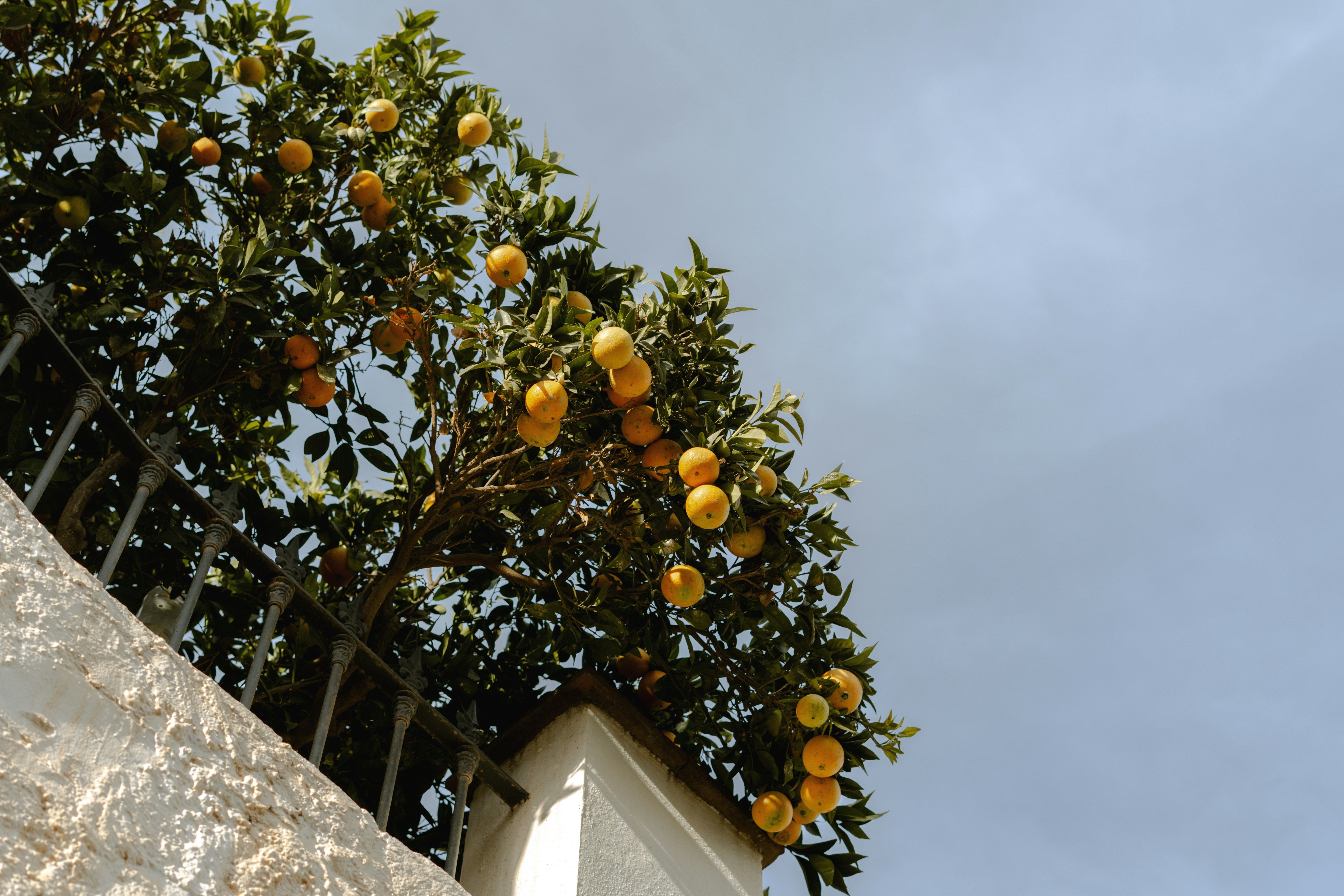
Landscaping with edibles is becoming more popular with home gardeners. Combining beauty with purpose is especially practical if you have a small yard. Instead of separating the vegetable garden from the ornamental beds, this approach weaves fruit trees, herbs, leafy greens, and flowering vegetables directly into your landscape design. Edible landscaping lets you have a garden that is both productive and picturesque.
Start with Structure
When planning a garden from scratch, the best place to start is with “the bones.” The plants that give structure to a garden. Think hedges that offer privacy, trees that separate spaces, and tall shrubs that mark garden paths. Edible plants that offer structure:

Hawthorn
Traditionally used for hedges because its spiky thorns act as a natural deterrent. In the fall, the berries feed wild birds. The berries can be made into a jam or dried for tea.
Fruit Trees
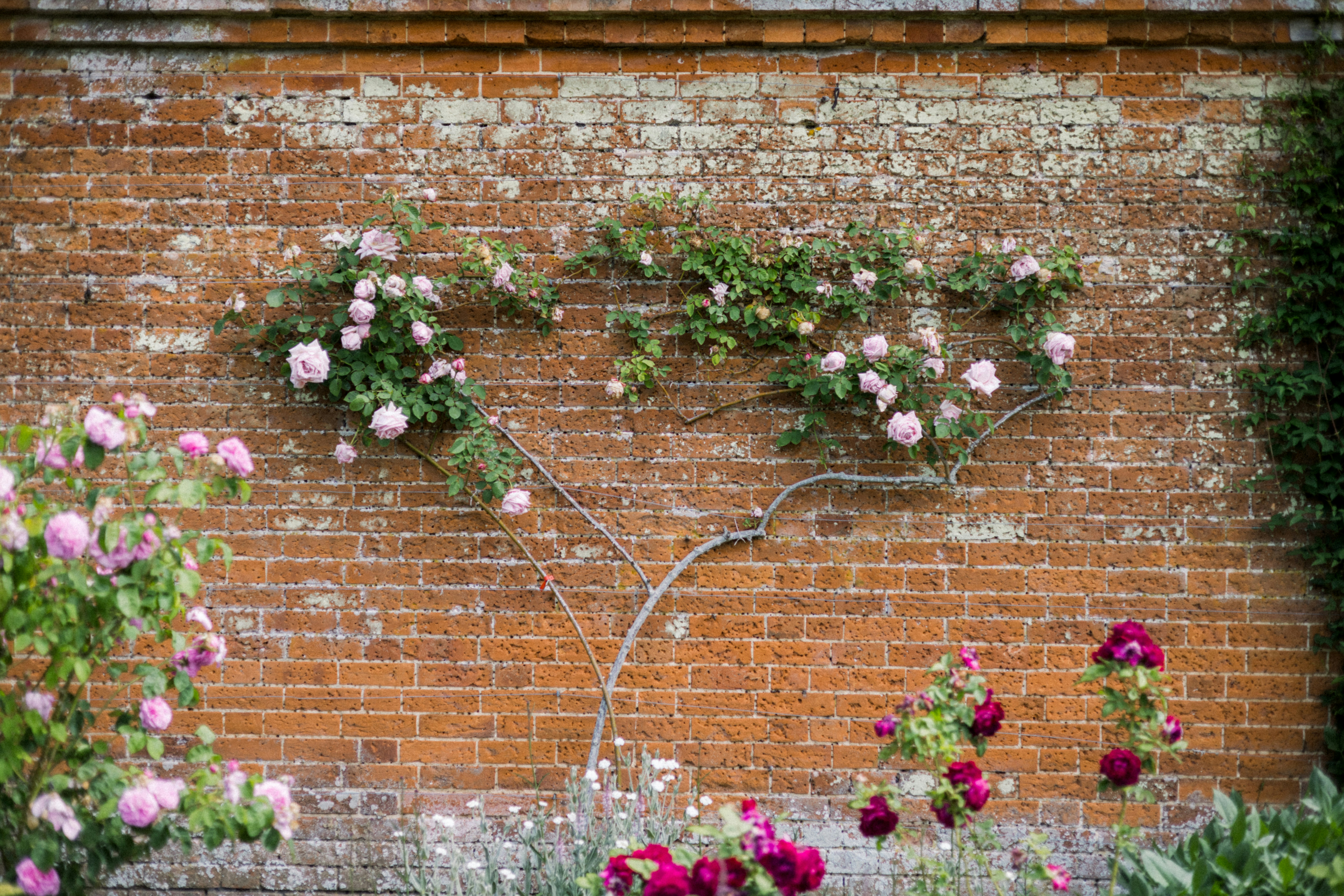
Fruit trees can be planted for height in the back of a border. Dwarf tree varieties offer compact solutions for smaller gardens. Many fruit trees can be trained in the style of espalier, parallel tiers, to create a “living fence”. Pear and apple trees are perfect for this style of growing.
Elderberry
Elderberry plants are good choices for the edible garden. In the spring, their flowers can be used to make fermented drinks or battered for a tasty spring treat. In the fall, their berries are packed with anthocyanins and are commonly used to make elderberry syrup. The birds love the berries too. Be sure to use the Sambucus nigra varieties and research the proper ways to prepare elderberries for consumption.
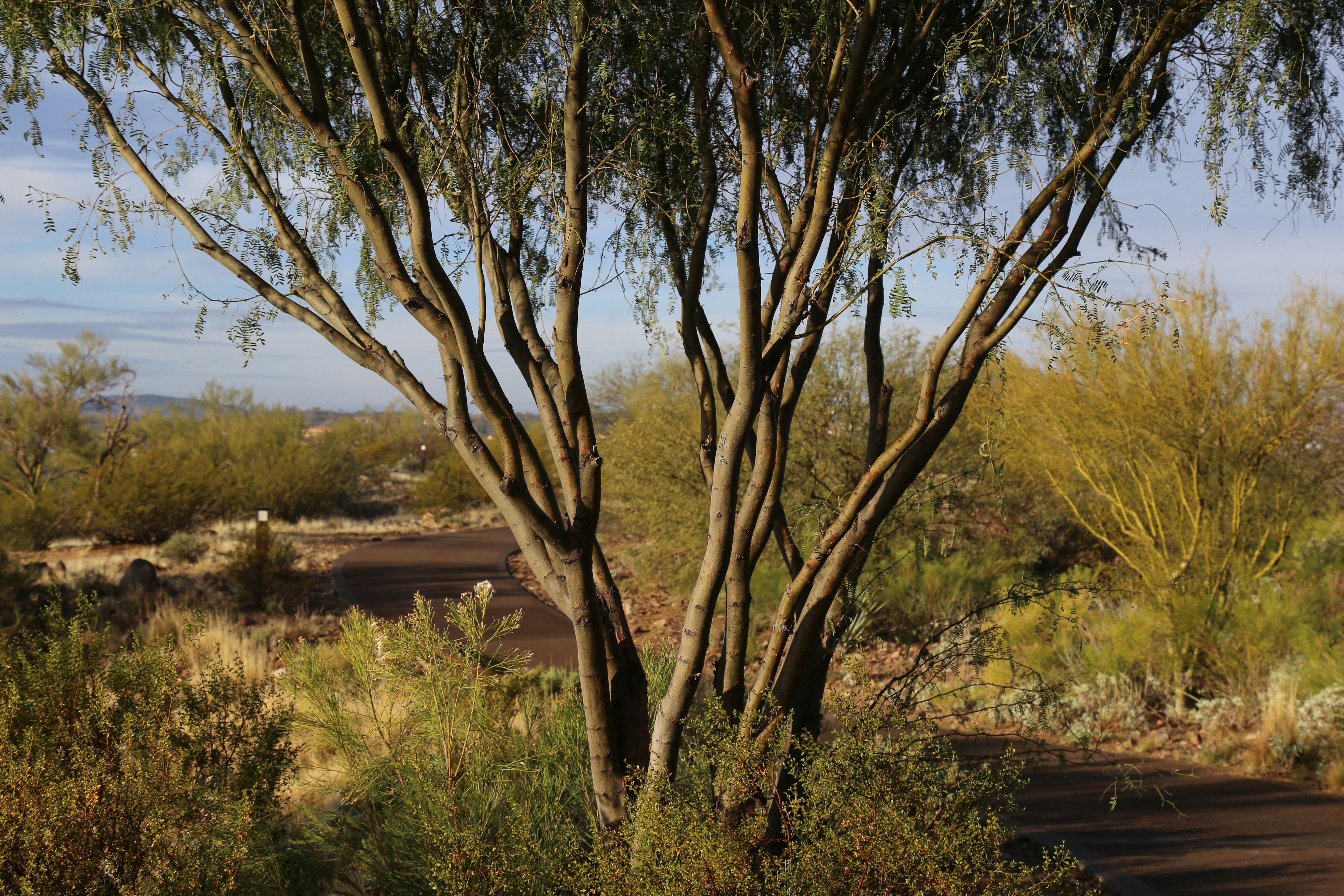
Mesquite Trees
If you live in the Southwestern United States or Mexico, the mesquite tree (Prosopis spp.) is a lovely addition to an edible garden. The pods are edible and have been harvested for centuries by indigenous people, who prepare and mill them into flour. Pods can be harvested when they are ripe. Mesquite pods must be properly dried before milling, so be sure to research this before attempting. Even if you don’t plan on using the pods, these trees are beautiful in a desert garden.
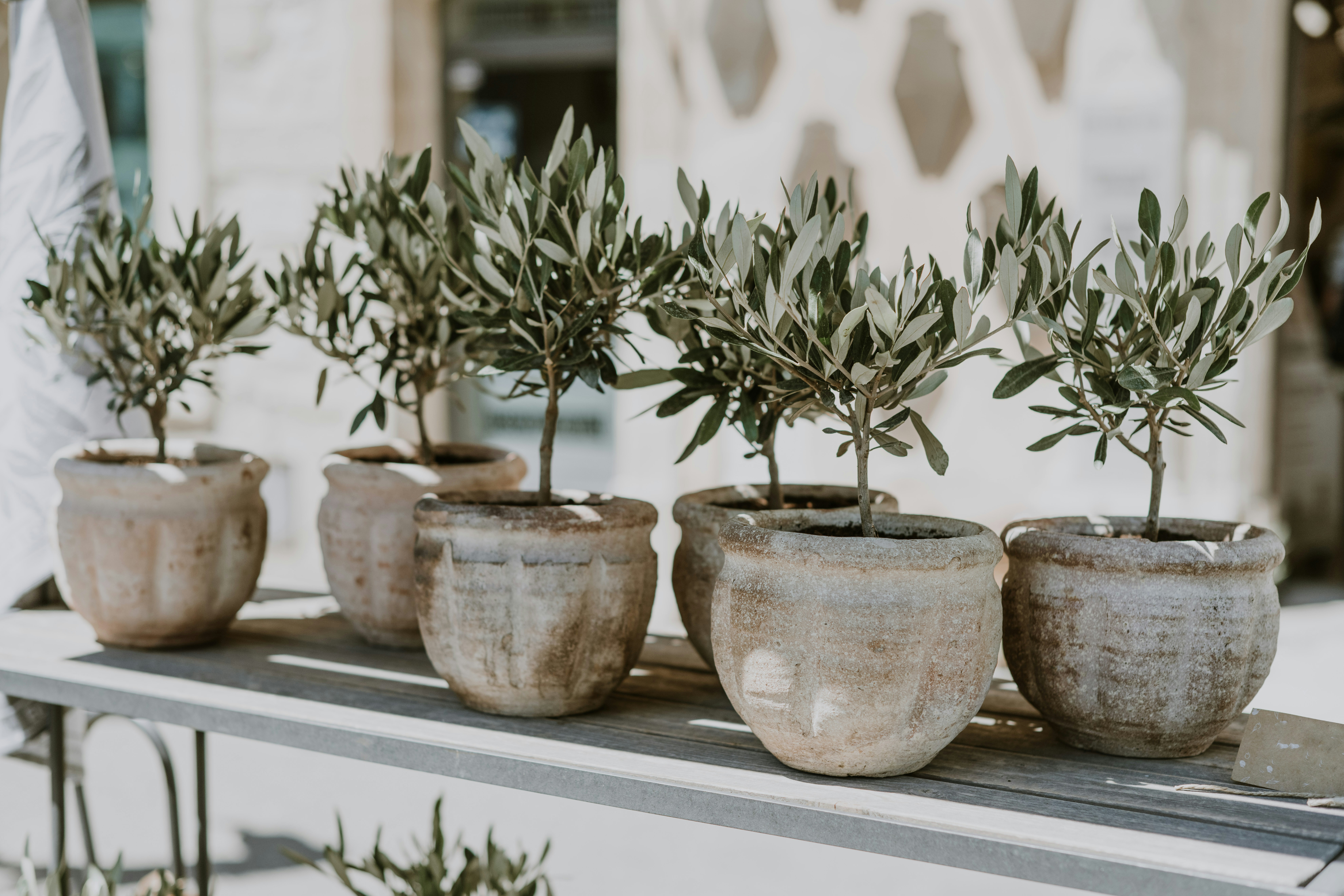
Olive Trees
Olive trees can give your garden a beautiful Mediterranean look, even if you don’t live in a warm environment. Olive trees can be grown in containers and protected over the winter months. Olive trees look really nice with other edible Mediterranean plants like lavender and rosemary.
Second Layer
After you’ve got your structure giving plants, it’s time to think about the next layer, which is usually medium-sized shrubs and perennials.
Rosemary
Rosemary is great for the edible garden because it comes in many sizes. You can plant taller varieties like ‘Tuscan Blue’ to form short hedges or low-growing ones to create a spreading effect.
Roses
Roses are a classic in any garden. From climbers and ramblers, to floribundas and shrub types, there is a rose for everyone. The best roses for edible purposes are the species kinds like Rugosa. Dried rose petals make a lovely addition to tea blends or jellies. In the fall, rose hips look pretty, and you can make rose hip jams.
Blueberry
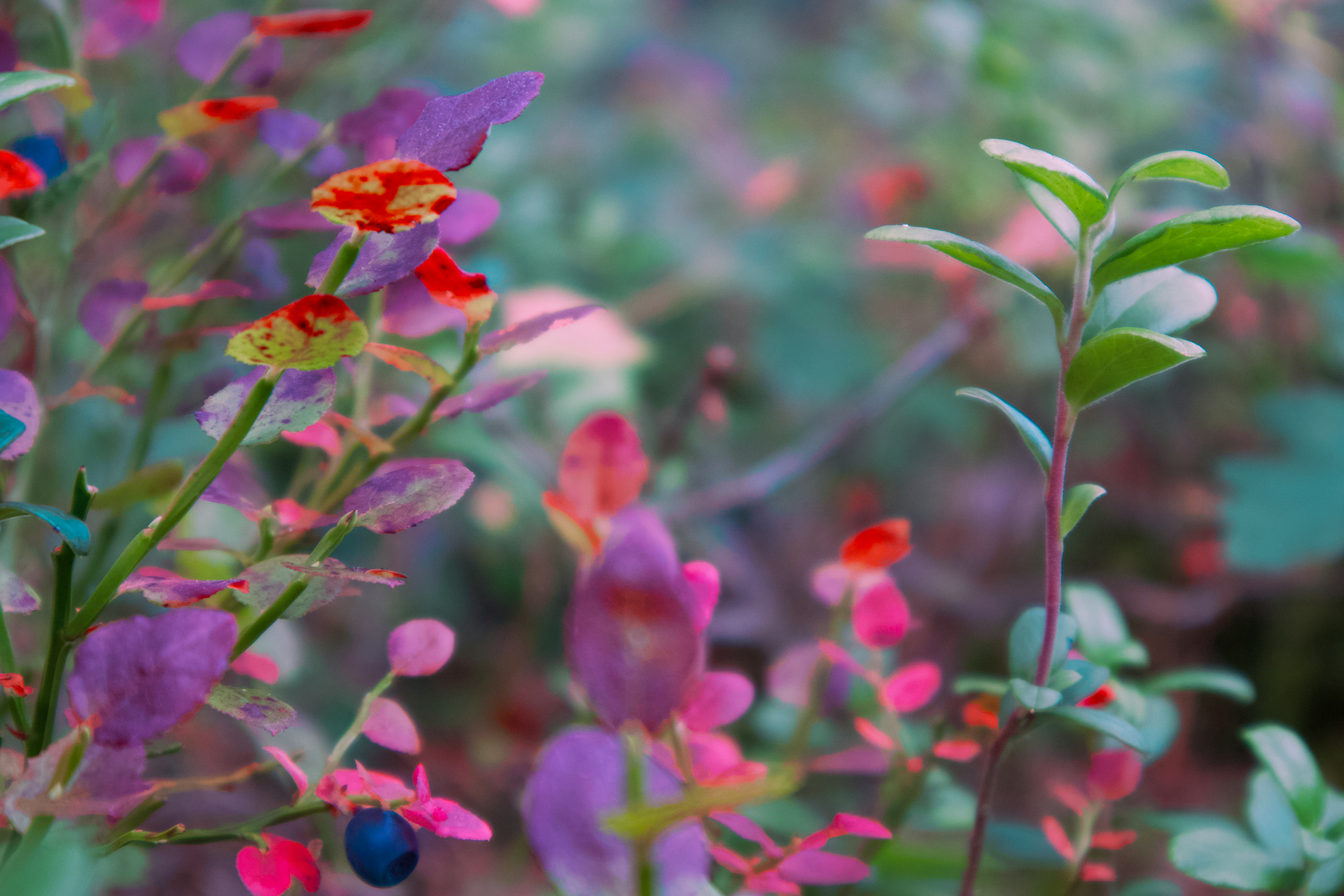
Blueberry bushes can be a perfect edible plant for beauty, as long as you give them the right conditions. Blueberry bushes prefer acidic soil. Blueberries can be grown in containers. In the autumn, the leaves offer seasonal color interest.
Lavender
Lavender is a top choice for the edible garden because it’s very easy to grow in the right environment. It thrives in very warm weather and plenty of sun, but most importantly, the roots have very good drainage. Lavender buds are highly fragrant and used in baking, cooking, making syrups, and teas. Use English (angustifolia) varieties for culinary use. Other types can have a more “soapy” flavor and are better used for aromatherapy.
The Last Layer
The final layer is of course, plants that are short, low-growing, or groundcover. Let’s explore a few:
Lingonberry
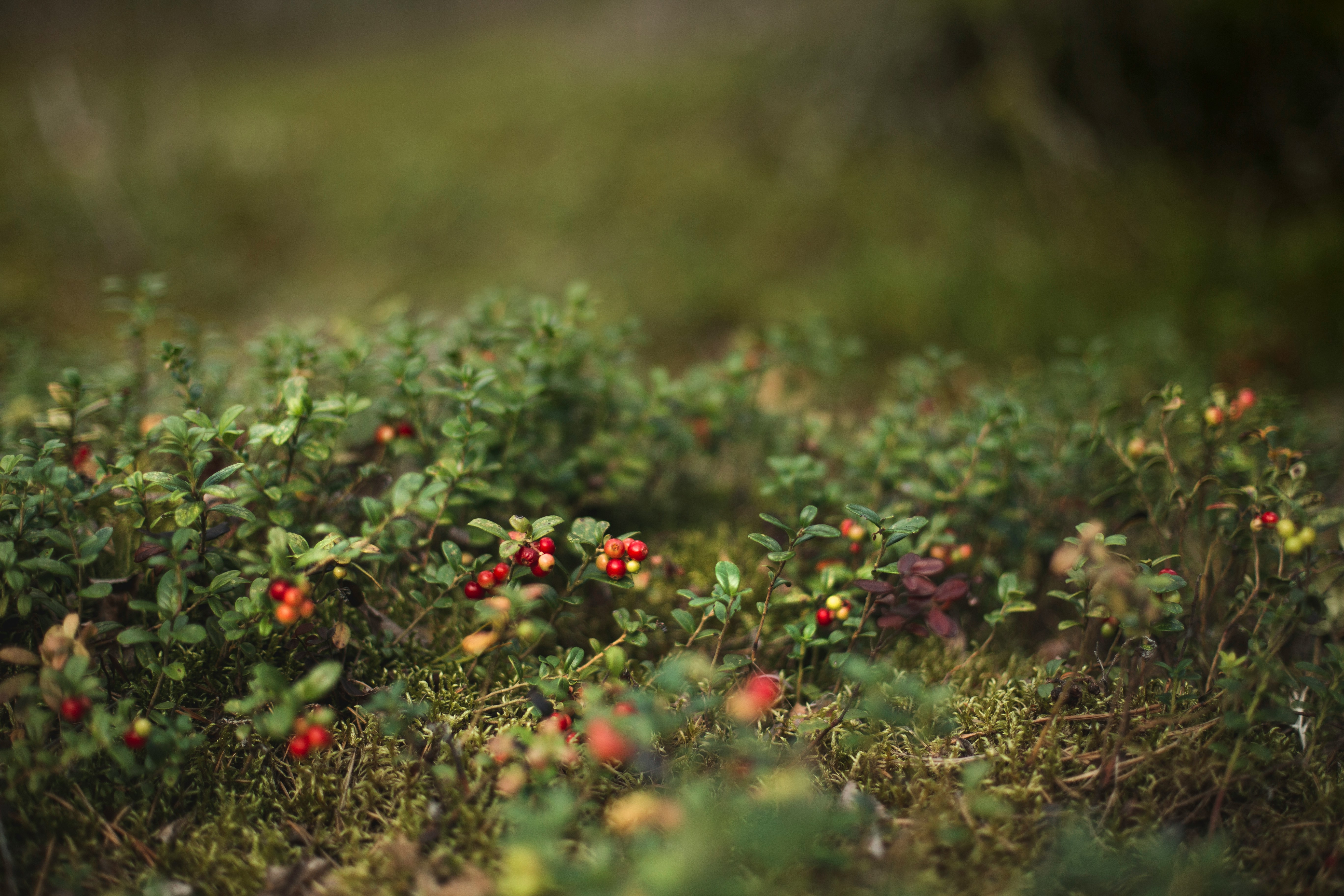
Lingonberries are related to blueberries and cranberries, native to Scandinavia, Europe, and northern areas of the United States, such as Alaska and the Pacific Northwest. Lingonberries are a unique plant to grow and are starting to appear around some nurseries. If you are looking to try something new and live in an area with cooler temperatures and acidic soil, why not grow a few lingonberry plants as groundcover? Lingonberries can be grown in the same area as blueberries, too. The shiny leaves are evergreen, providing year-round interest. The little red berries are tart and similar in taste to cranberries. Although you’d need quite a few productive plants to really make a good harvest, the lingonberry is a fun plant to add to an edible garden.
Thyme
Thyme is such a versatile plant: a culinary herb, a medicinal herb, good for pollinators, and an ornamental. Grow thyme as an attractive ground cover or between pavers or pathways.
Oregano
Oregano is similar to thyme in terms of versatility. Little white flowers are great for pollinators and add beauty to the garden.
More Ideas
-
Grow a combination of climbing edibles like tomatoes and nasturtiums up a trellis for a colorful centerpiece of the garden.
-
Rhubarb plants make a statement in the spring with their red and green combination.
-
Create a veggie tunnel by growing cucumbers, squash, or extra small pumpkins over an arched trellis.
-
Add plants for movement, but instead of grass, choose fennel, dill, and asparagus, which will wave in the wind.
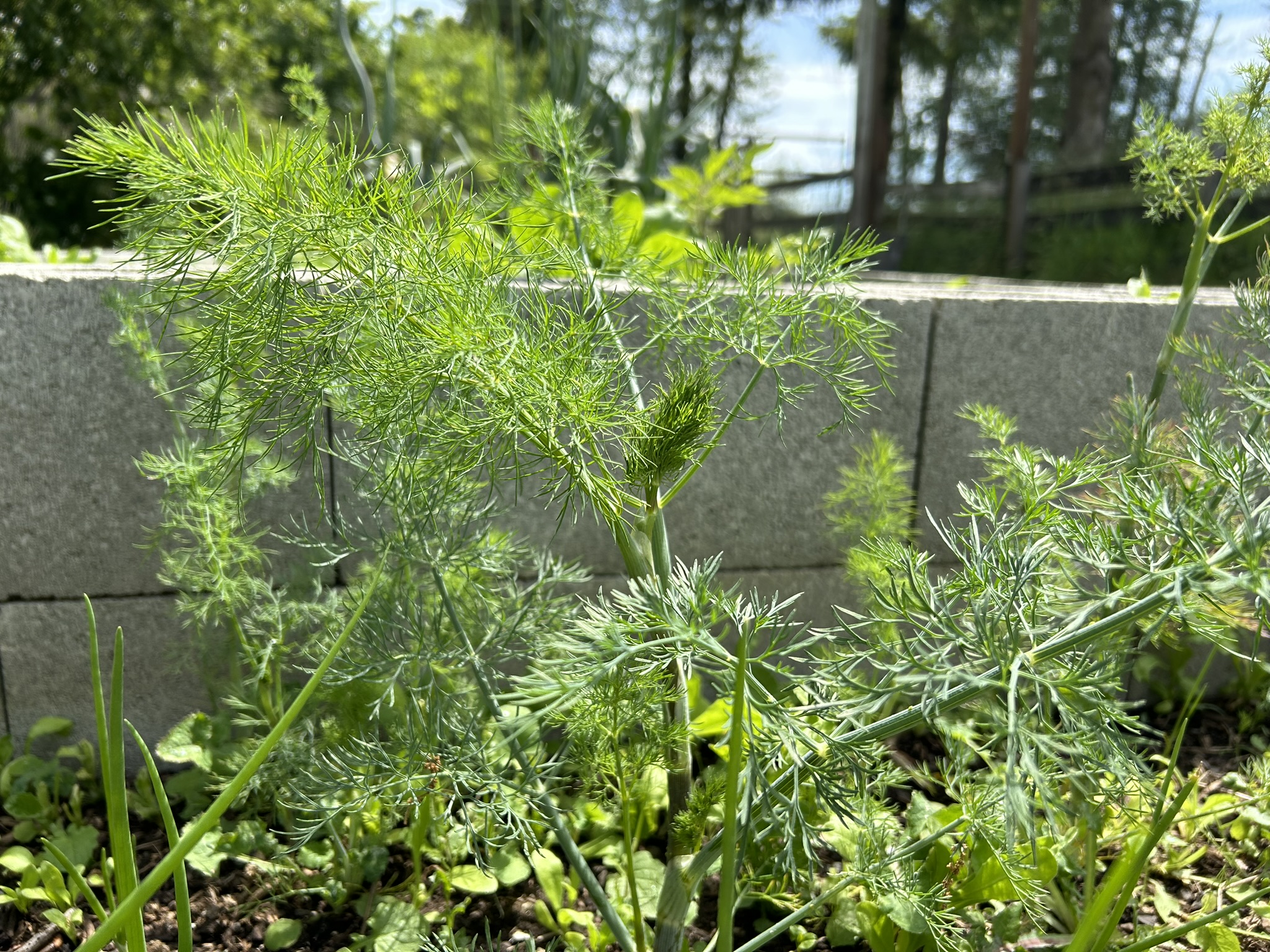
Dill waving in the wind -
More edibles to landscape with: citrus trees, chives, sunflowers, dahlias, calendula, lilac, and hostas.
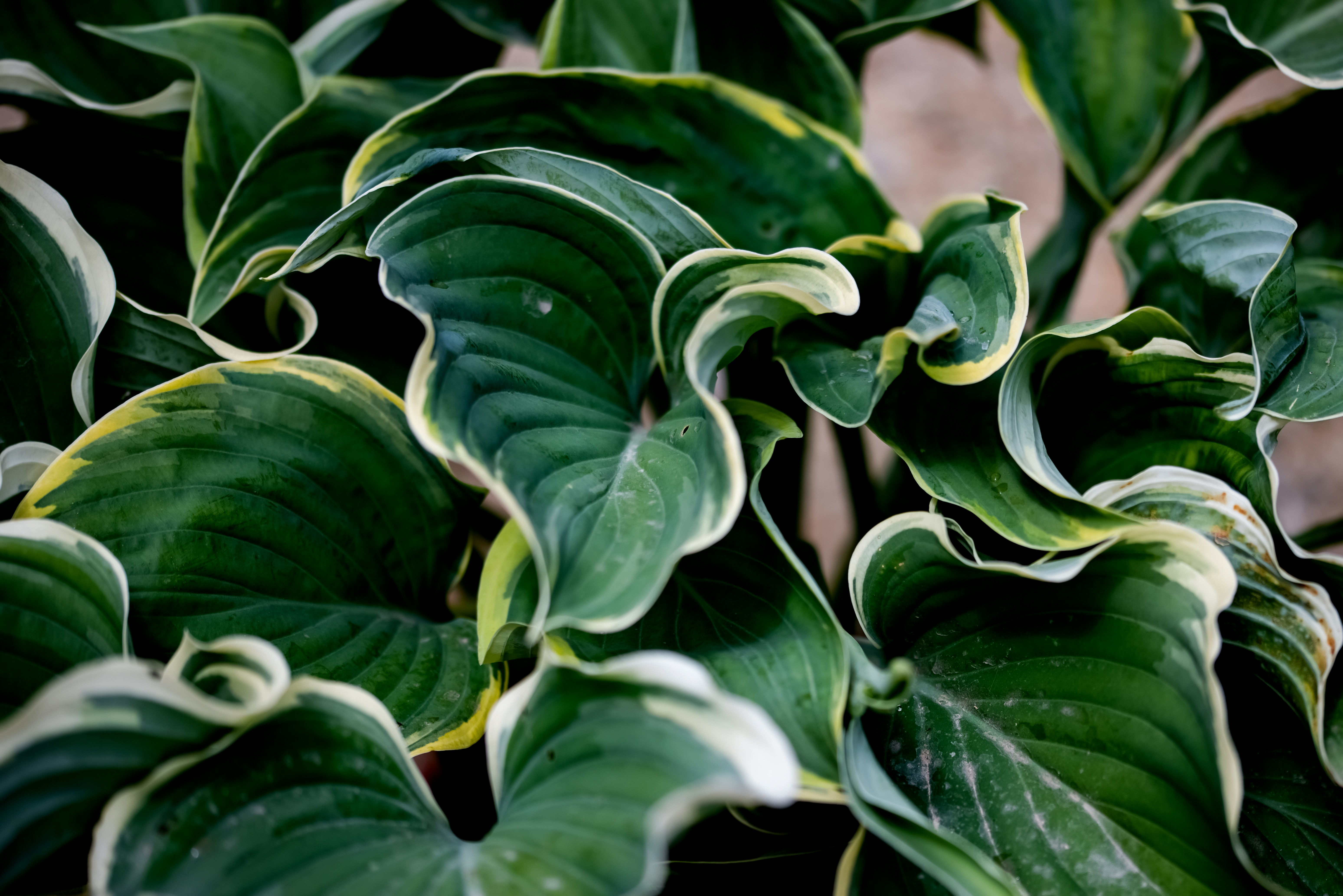
Young hosta shoots are a favorite in Japan
With edible landscaping, you get to enjoy your garden with all of your senses! Start planning your dream foodie garden today with the Planter App.