Part 1 in our Hanging Baskets Series
- Part 1 - Hanging Baskets: Floating Greenspace (this article)
- Part 2 - Hanging Baskets: Designs and Common Problems
Part 1 in our Hanging Baskets Series
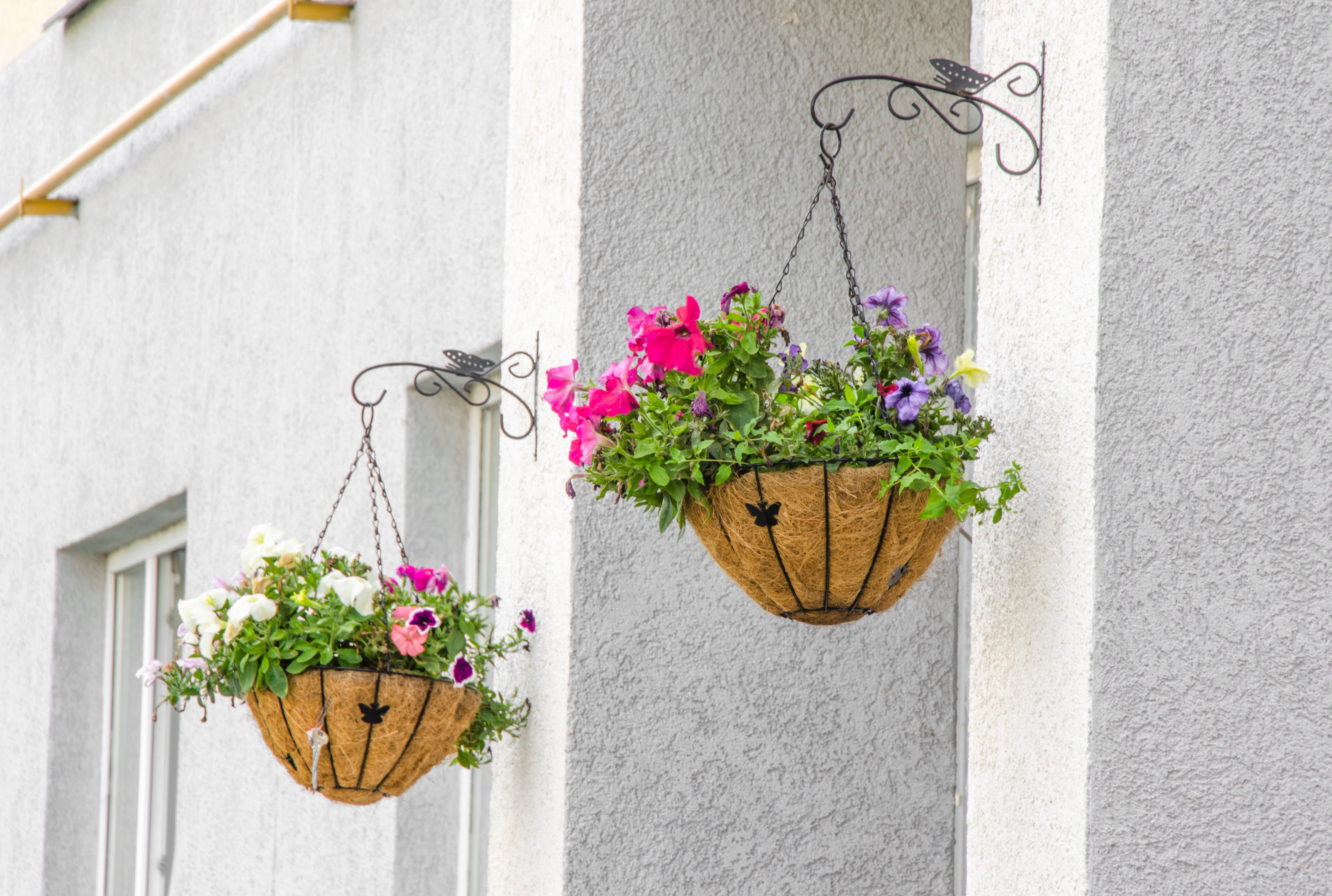
Greenspace is wonderful, but sometimes there’s, well, not enough space. Hanging baskets are a brilliant way to add pockets of color to your home and garden. Whether it’s a small patio, a pergola, or a wall-mounted bracket, most spaces can accommodate a hanging basket.
In Part 1, we’ll go through different types of hanging baskets and planters, and how to choose plants for them, setting you up for a colorful, vibrant display, or a mini, delicious garden. In Part 2, we’ll cover some planting designs and things to watch out for.
There are four main types of hanging, or garden baskets:
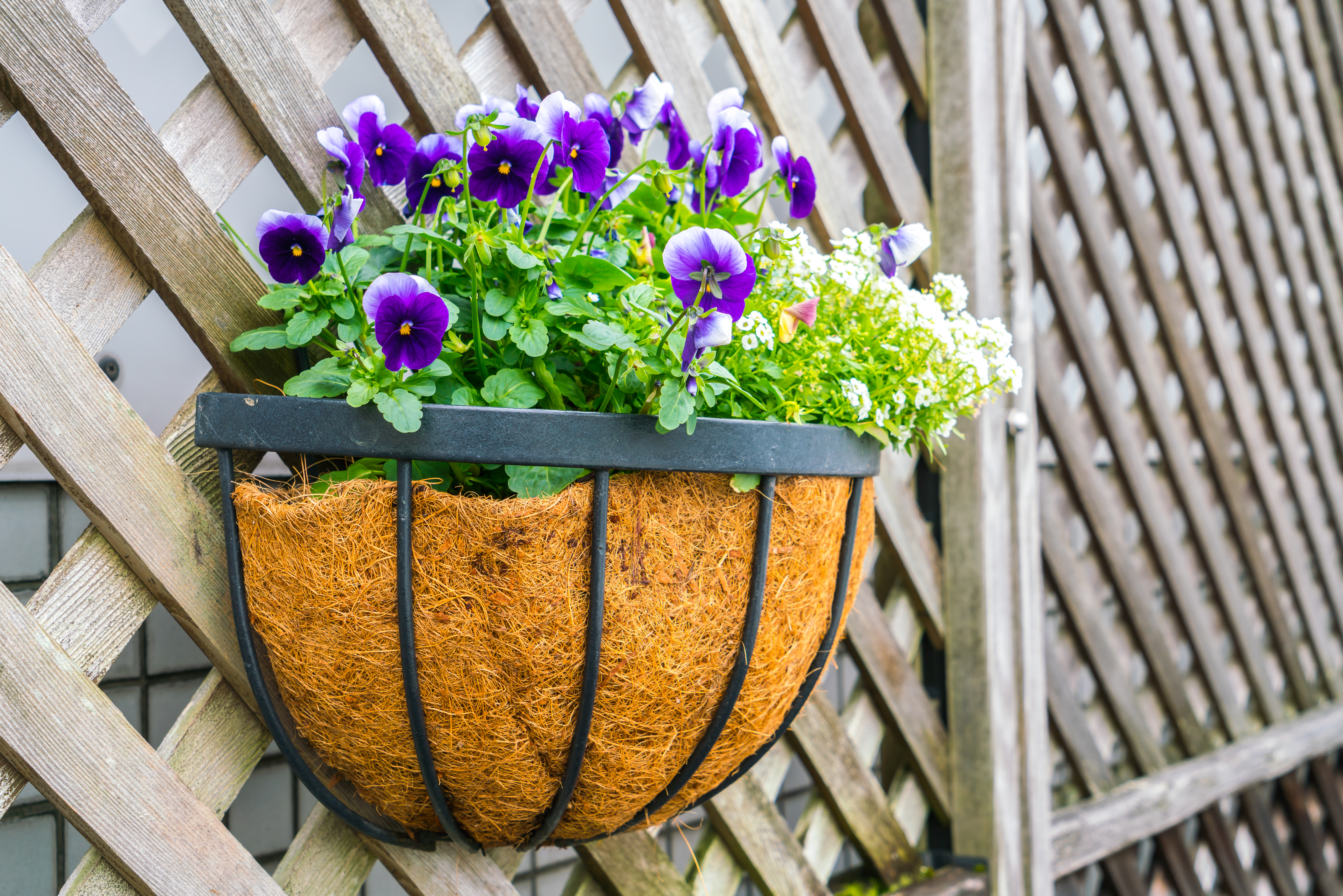
Each has its own advantages and disadvantages. The most common — and the easiest for beginners — is a wire or wicker basket with a liner. They offer excellent drainage, good airflow, and work with a wide range of plants. They’re also lightweight enough to clip onto trellises, fences, and brackets without much fuss.
I favor wire baskets for their versatility, repairability, and strength, all while being lightweight and affordable.
Wicker baskets are also excellent, and once they’ve exceeded their lifespan, they can be composted in the garden or left to decay and provide habitat for invertebrates.
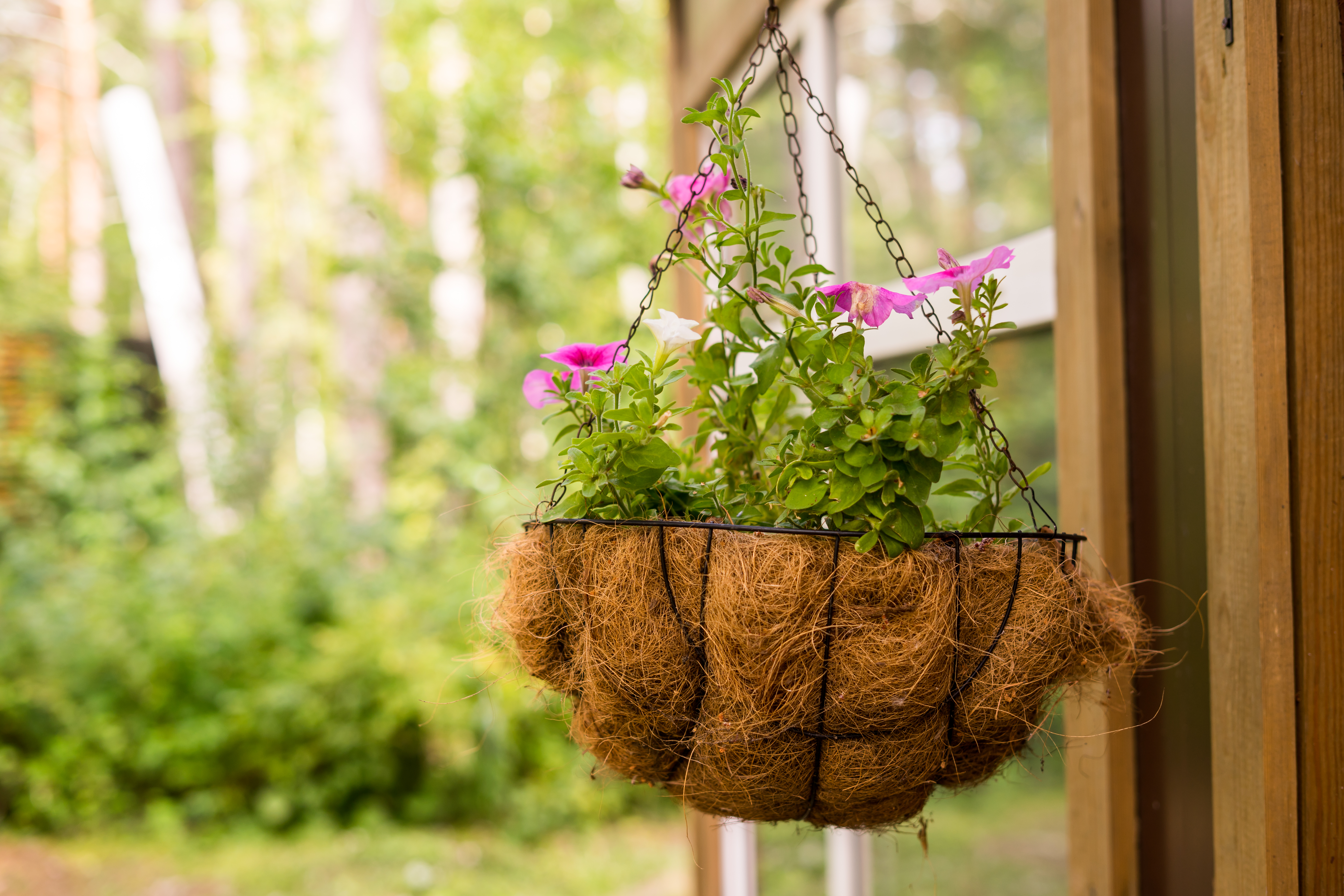
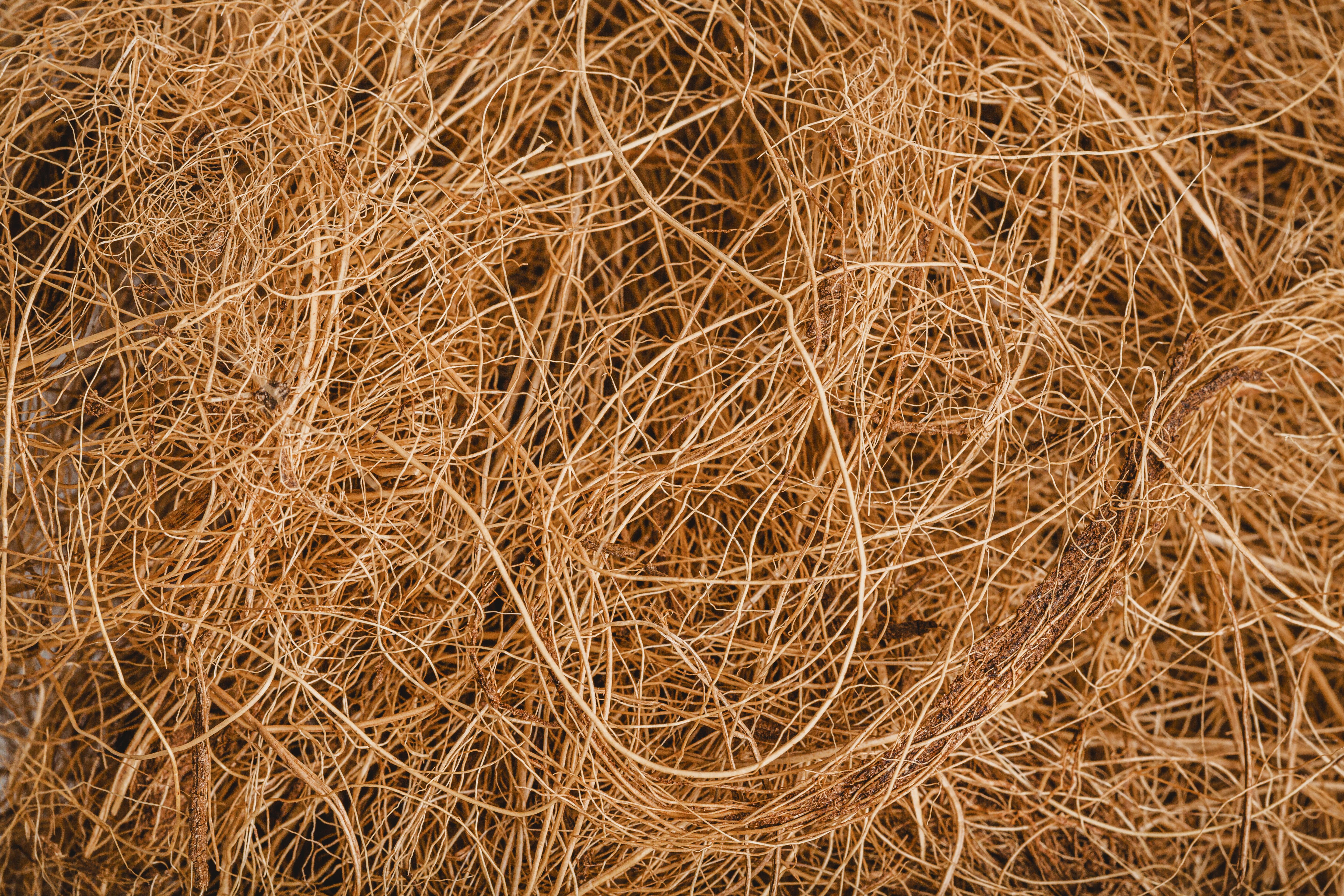
Most baskets will need a liner to hold your soil in place. You can buy ready-made cardboard liners and fibrous materials to fit most basket sizes, but a thrifty option is to collect moss from your lawn or use heavy grass clippings. Avoid buying sphagnum moss, unless it has been sustainably harvested. Coco coir liners are an excellent pre-made option, although whatever you choose, look for something around ½ to 1 inch thick.
A good liner does more than hold soil in place, however — it influences how quickly the basket dries out, how well roots can breathe, and how often you’ll need to water. Thicker liners retain moisture longer, while thinner ones allow faster drainage and airflow. If you garden in a hot, dry climate, choose a liner that holds water well; if your space is humid or shaded, a more breathable option helps prevent soggy soil and root rot.
Hanging baskets are small and often exposed. They dry out faster than in‑ground beds or large containers, so it’s worth planning how you’ll keep them watered. An olla is an excellent option and can be buried as you plant your basket, slowly releasing moisture to the roots throughout the day.
Watering with a can or hose works just as well, especially if you use a fine rose attachment to avoid disturbing the soil or washing it out of the basket. If your basket hangs high or in a hard‑to‑reach spot, an extendable wand or angled sprayer makes watering far easier and helps you reach the soil surface without straining.
Watering early in the day reduces plant stress and makes them more resilient.
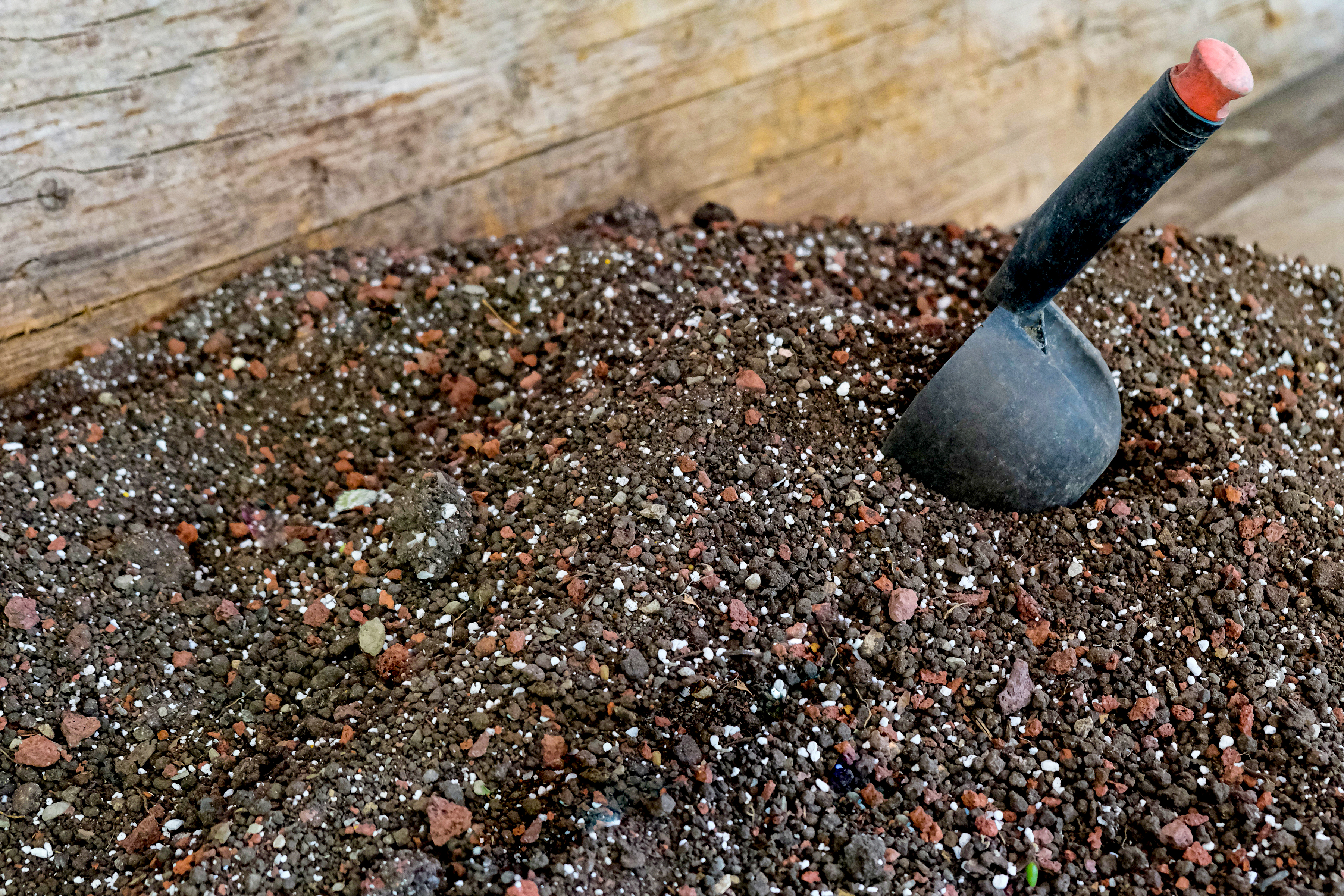
There’s some debate about the “perfect” mix for hanging baskets, but the basics are well agreed on: choose a lightweight potting mix, not garden soil, as garden soil compacts easily and restricts airflow.
Look for mixes that contain coco coir, lightweight aggregates or pebbles for drainage and aeration, and sustainably harvested moss for extra water retention. You can also create your own using compost, moss, grass clippings, fine gravel, and other lightweight organic materials—aiming for a mix that holds moisture without becoming dense or waterlogged.
In hot, dry climates, prioritize mixes that retain moisture a little longer, while in cooler or more humid conditions, a lighter, faster-draining mix helps prevent soggy roots and rot. In all environments, a thin mulch layer on the surface can keep conditions ideal for longer.
Plants that can tolerate drier conditions are best for hanging baskets. Decide if you want seasonal annuals or hardy plants for a longer-lasting display. A ‘thriller, filler and spiller’ mix of plants – some with showy flowers or foliage, some taller or bushier plants to fill out the basket, and some trailing plants to soften the edges – gives an attractive display.
Annuals can often be done in two seasons - summer and winter. For summer baskets, plant in late spring after the risk of frost. For winter baskets, plant in autumn as temperatures cool and deciduous trees begin to drop their leaves. For both plantings, acclimate annuals by hardening them off before planting them in the basket.
Once your basket is planted, a little regular care will keep it looking full and healthy throughout the season. Hanging baskets dry out faster than ground‑level plantings, lose nutrients more quickly, and are more exposed to wind and sun, so small, consistent habits make a big difference.
Check moisture daily in warm weather. Water until it runs freely from the bottom, as this ensures the entire root zone is saturated. In very hot climates, baskets may need watering twice a day; in cooler or shaded areas, watering every few days may be enough. If the basket ever fully dries out, submerge it in a bucket or basin for 10–15 minutes to rehydrate the soil evenly.
When watering, consider placing a bucket beneath the basket to catch what runs through; you can use it somewhere else in the garden.
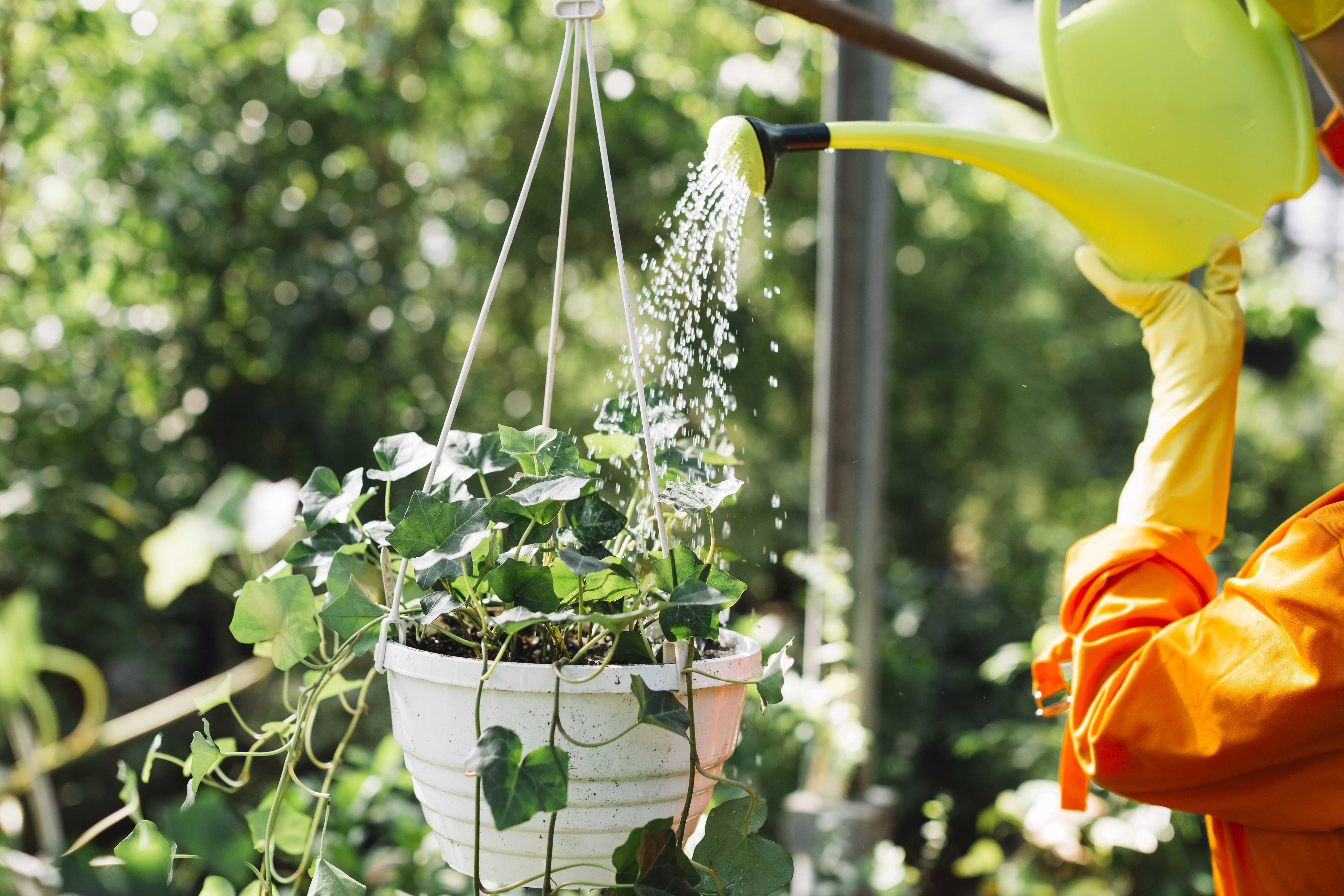
Because nutrients leach out quickly, you should feed your basket regularly. A diluted liquid fertilizer every 1–2 weeks keeps annuals blooming and herbs productive. Slow‑release granule pellets can also be mixed into the soil at planting time to provide early nutrition. This is especially good for shrubs and ferns.
Winter baskets do not need fertilizing. Too much growth risks frost damage or them becoming too leggy in the springtime.
Regular pruning and deadheading encourage a succession of flowers and prevent the plants’ energy from going into seed production. Trim long or tired stems to maintain shape and encourage fresh growth. For herbs, regular harvesting doubles as pruning and keeps plants tidy
Wind can stress plants and dry out soil rapidly. If your basket is in a particularly exposed spot, rotate it occasionally so all sides receive even light, or move it to a slightly more sheltered location during extreme weather. Heavy baskets may benefit from reinforced hooks or brackets.
Hanging baskets are a delight. They are an easy way to decorate areas of your garden, or to plant in small, sometimes more awkward spaces. Baskets can accommodate a variety of plants, and by choosing plants that fit your climate and maintenance schedule, you can have a fuss-free floating greenspace.
Part 2 explores planting ideas to inspire your designs, along with practical fixes for the common issues that hanging baskets face.