Greywater is water that has already been used for something else in a residential or commercial setting. Bathtubs, showers, sinks, and washing machines are common sources of greywater.
Reusing a portion of this water in the garden is a practical way to conserve freshwater resources and reduce overall household water consumption, especially in regions facing increasing water scarcity.
In this article, we’ll cover the basics of greywater use in the garden, how to apply it safely, and key considerations to help you navigate what can be a complex but highly useful area of sustainable gardening.
What is Greywater?
In broad terms, greywater is household wastewater that doesn’t come from the toilet. For gardeners, it usually refers to water from showers, baths, washing machine rinse cycles, and bathroom sinks.
It may still contain small amounts of soap, oils, and other residues, but it is typically less contaminated than “blackwater” (toilet or sewer-contaminated water). With the right preparation, it can sometimes be reused in the garden.
Is Greywater Safe For the Garden?
The short answer is: yes. But there are important limitations.
Greywater should generally not be used on edible crops where the harvested portion comes into direct contact with the soil. This includes most root vegetables such as carrots and potatoes, as well as ground-level crops like pumpkins and melons. Instead, greywater is best suited for ornamental plants.
Taller fruiting plants, such as fruit trees, are also suitable for greywater irrigation, as the water remains in the root zone and away from edible surfaces.
What About Soaps and Food Products?
Safe use also depends heavily on what goes into the water. Household products such as soaps, shampoos, and detergents vary widely, and some contain salts, fragrances, or other additives that can accumulate in soil over time. Whenever possible, choose biodegradable, plant-friendly cleaning products designed for greywater systems.
Additionally, greywater should be used within 24 hours of collection to reduce bacterial growth, especially when sourced from kitchen or bathroom sinks.
If your home uses a water softener, it’s important to note that softened water contains higher levels of sodium, which can negatively affect soil structure over time. In these cases, alternating with rainwater or freshwater irrigation can help prevent buildup.
Finally, greywater should be viewed as a supplementary irrigation source rather than a complete replacement unless it is properly filtered. Without filtration or treatment, residues can accumulate in soil over time. However, periodic flushing with clean water helps maintain long-term soil health.
The Benefits of Using Greywater in the Garden
Conserves Fresh Water
Lawn irrigation and garden watering can account for between 50-80% of a household’s water consumption in some regions. Using greywater reduces reliance on city or well water sources, making gardening more sustainable.
Reduces Water Bills
Reusing water that would otherwise go down the drain can cut water costs, as you’re using some gallons twice!
Provides Nutrients to Plants
Greywater often has trace amounts of nutrients like phosphorus, potassium, and nitrogen, which can benefit plant growth. It is not a substitute for fertilizer, however.
Greywater Best Practices
As mentioned previously, there’s a scale to how good and clean greywater is. It can also be time-consuming and difficult to collect unless you have a household greywater system, which can be expensive to install. Here are some practical tips.
Good Sources:
- Bath and shower water
- Laundry rinse water (from eco-friendly detergents)
- Bathroom sink water
- Kitchen rinsing water from unprocessed foods (without detergents or additives)
Sources to Avoid:
- Dishwashers
- Washing water with oils or meat residues
- Laundry water with strong detergents, fabric softeners, or boosters like borax
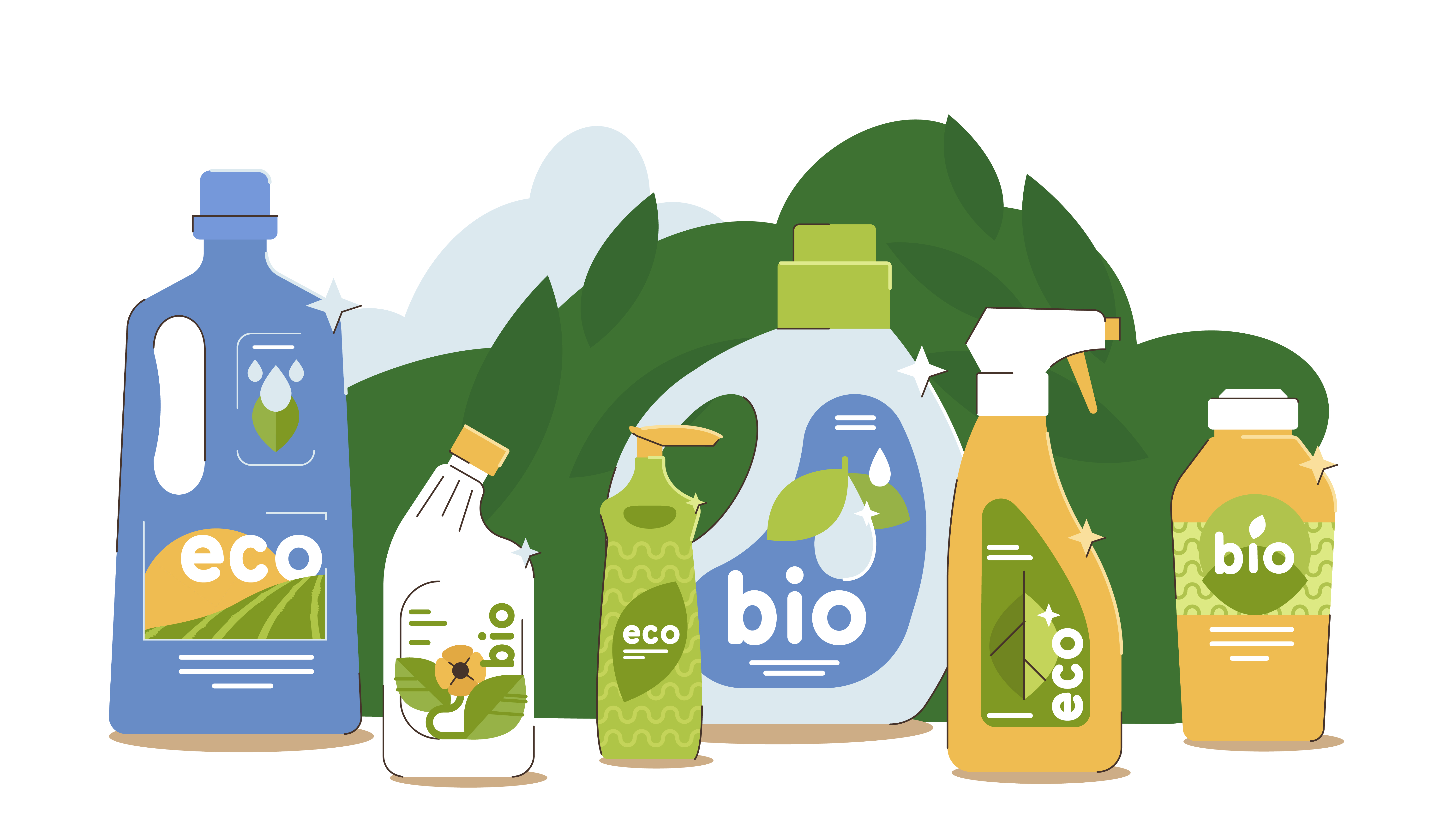
Use Plant-Safe Soaps and Detergents
Many household soaps and detergents contain chemicals that can harm plants and soil health over time. Look for:
- Biodegradable, phosphate-free detergents
- Low-sodium soaps (to prevent soil damage)
- pH-neutral products (to avoid altering soil acidity)
Water Carefully and Rotate Regularly
Avoid applying greywater directly onto plant leaves, as this can create bacterial or fungal issues. Water at the roots and avoid splashing plants.
Research and horticultural observations, including trials by the RHS (Royal Horticultural Society), suggest that established shrubs and perennials can tolerate greywater irrigation for extended periods without harm to plant health. However, plant response varies, so monitoring soil and plant health is important.
Easy Ways to Get Started
You don’t need a full greywater system to begin reusing water in the garden. Small, consistent habits can make a meaningful difference.
- Collect the water that runs while waiting for the shower or kitchen sink to heat up.
- Strain water from cleaning tasks, such as mop buckets, provided only biodegradable cleaners were used.
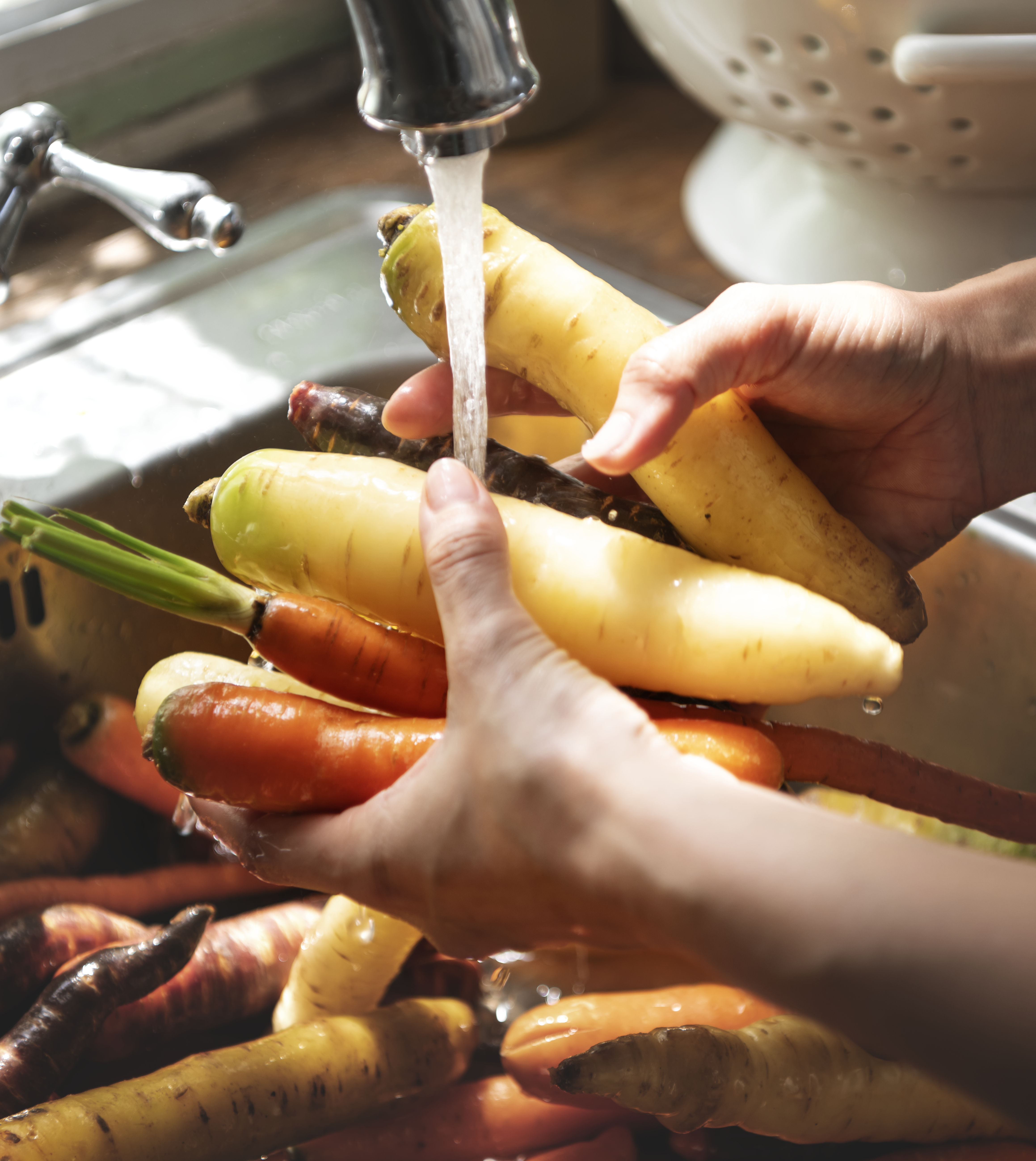
- Reuse water from rinsing unprocessed vegetables or grains like potatoes and rice, where no chemicals or pesticides are involved.
- Pour the leftover water from your bottle or drinking glass onto your flowers rather than down the sink.
From the author: After evaluating what was feasible for me, I settled on collecting the rinse water from fruit, vegetables, and rice. I use this on two ornamental flower pots, with a monthly soak with regular water to balance things out. Over the past year, the plants have thrived, and I reuse around 5-10 gallons a week.
Wrapping Up
Greywater reuse doesn’t have to be complicated. Start small — a bucket under the shower, rinse water from the kitchen — and build from there as you get a feel for what works in your garden. Saving a few gallons a day adds up to hundreds or thousands of gallons a year that can be reused.
Most US states now provide greywater guidelines, and the UK’s RHS offers practical guidance for gardeners there. Check your local regulations before installing any dedicated system, but for simple collection and reuse, the barrier to entry is low.
Used thoughtfully, greywater turns an everyday waste stream into a garden resource, helping you conserve what’s precious.