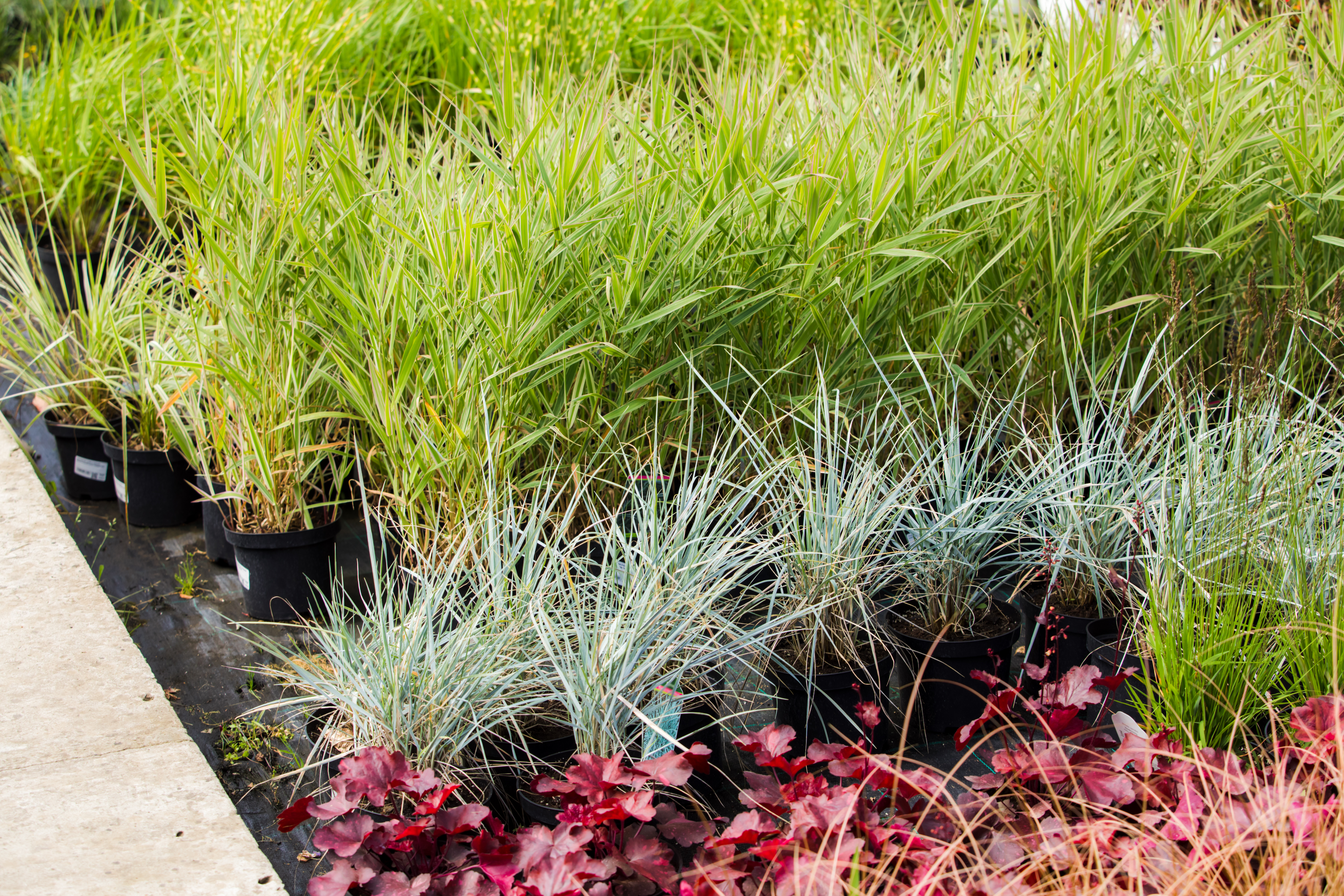
Grasses are versatile plants that can be incorporated into your garden in dozens of ways. They come in a variety of colors, growth habits, and sizes. They’re a key part of many natural environments and are an excellent complement to vegetable gardens, patios, and those awkward spots where nothing quite fits. Additionally, there are thousands of grasses native to the major continents, meaning there’s a grass for just about everything.
In this article, we’ll go through 7 reasons why you might consider adding grasses to your garden, from them being an essential part of a functional habitat, to a way to add practicality, while still being wonderfully aesthetic.
When choosing grasses, check local and regional restrictions as some varieties are considered harmful to the environment.
1. Wildlife Habitat and Biodiversity
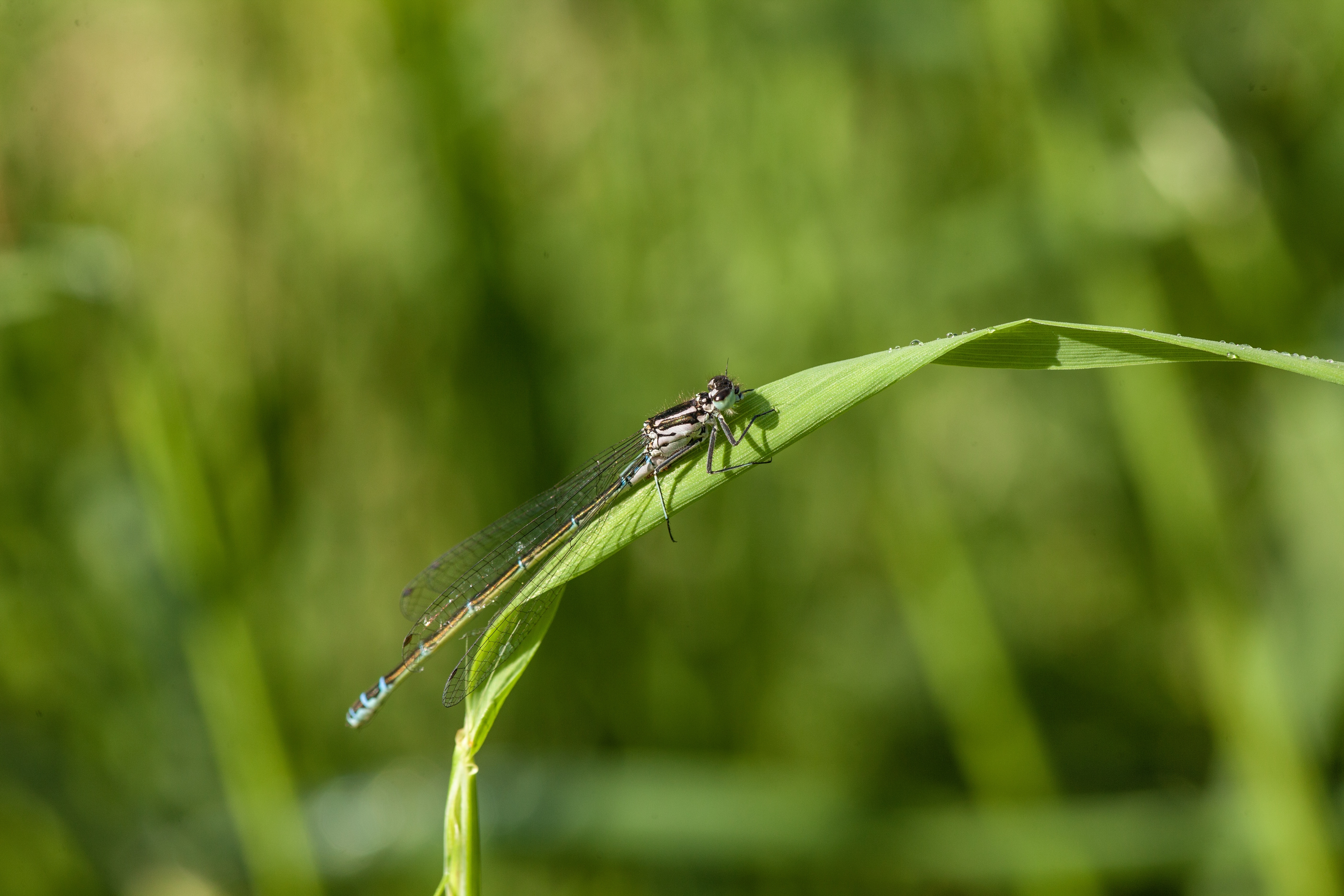
Grasses are a keystone species in many ecosystems. By adding them to your garden, you create habitat for hundreds of bugs, insects, and bees. Having more pollinators and foundational insects will help your garden thrive as they pollinate, break down organic matter, and provide food to other beneficial insects and animals.
A bonus is that this will, in turn, attract more birds to your garden, which will help with pest control for your fruit and vegetables.
Switchgrasses, bluestem, and needlegrass are excellent choices, providing color, habitat, seeds for birds, and places for insects to overwinter - something that is often overlooked in gardens.
2. Drought Tolerance and Water Conservation
If you’re looking to reduce your garden water usage, which may be a necessity if you’re gardening in a drier area, choosing grasses with deep, fibrous roots is a smart choice. Once established, many ornamental grasses are water-wise and thrive in poor soils. Their deep root systems allow them to withstand long, hot, dry periods, reducing the need for irrigation. Additionally, by planting them strategically, you can shelter your garden beds from the wind and the sun, reducing water evaporation and creating more mild microclimates.
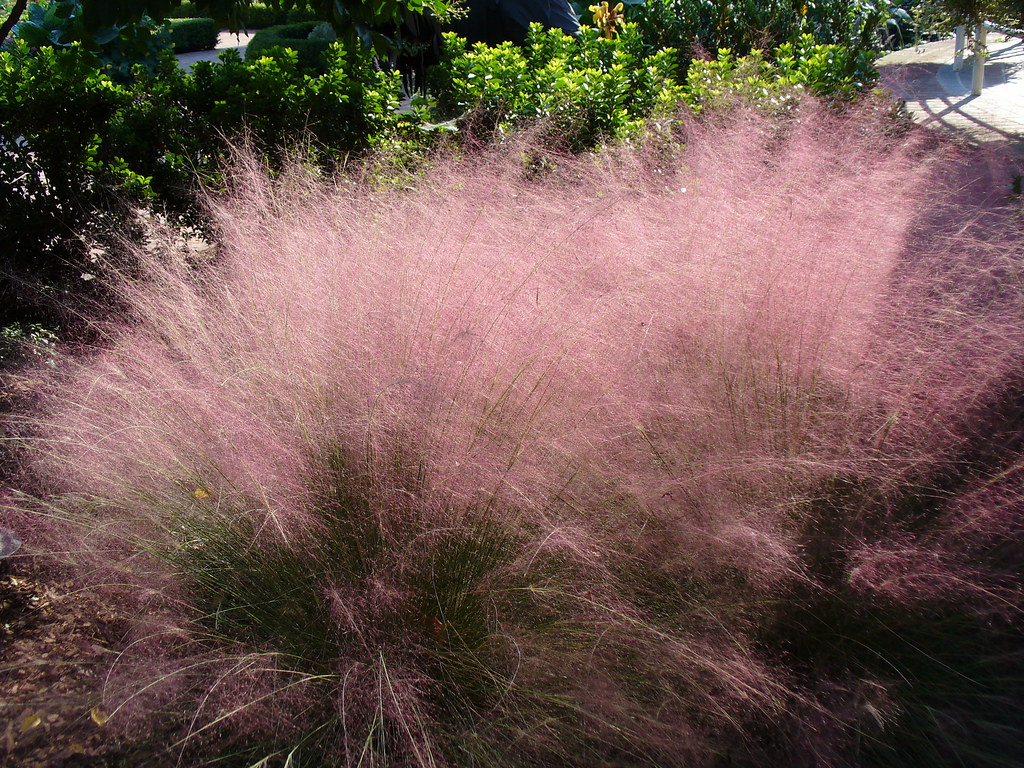
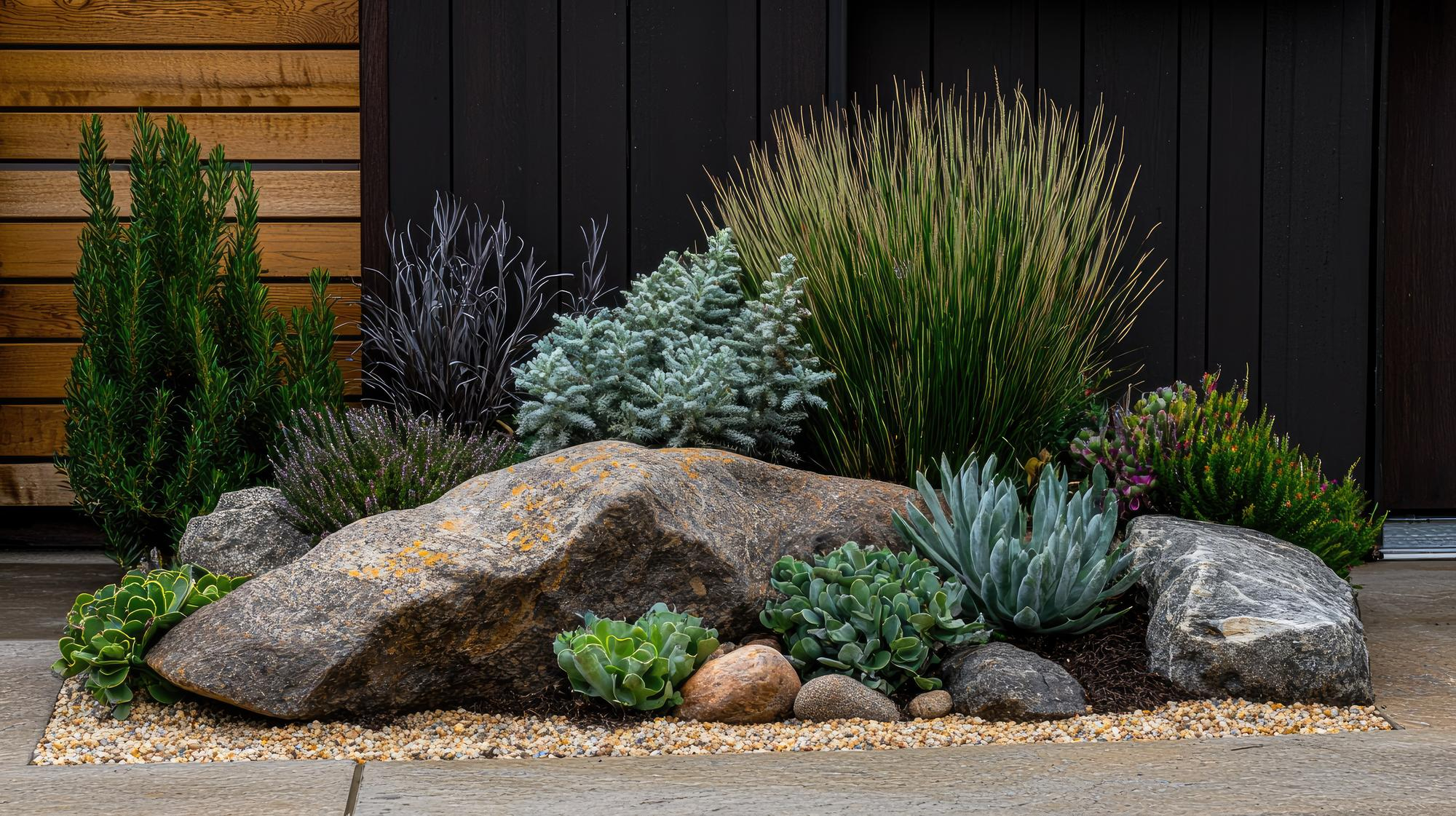
Muhly grasses are great for this kind of planting, being exceptionally drought-tolerant, while still full of color (my favorite is pink muhly). Grasses also pair very well with xeric landscaping, making them key choices for deserts and gravel gardens.
3. Soil Improvement
Many grasses are seasonal and will die or go dormant for part of the year. Because they need to be cut down to the ground during this time, you acquire nutrient-rich mulch and soil conditioner as a result. Grass is also an excellent frost protection blanket for more delicate annuals to overwinter under, and as it decays in the spring, it will feed the upcoming plants.
Switchgrass, Indian grass, and cordgrass, along with larger grasses like big bluestem, will give you a lot of organic material for the space they occupy, and may provide all of the winter mulch you need for your garden.
4. Practical Uses
Some grasses are edible, and some produce useful oils. Lemongrass is an easy-to-grow culinary herb, and citronella has helpful oils that can be used in soap making. Common grains such as rice, corn, and wheat are also grasses, and growing a few stalks can be a fun experiment. They can also provide good food for animals if you don’t want to eat it yourself.
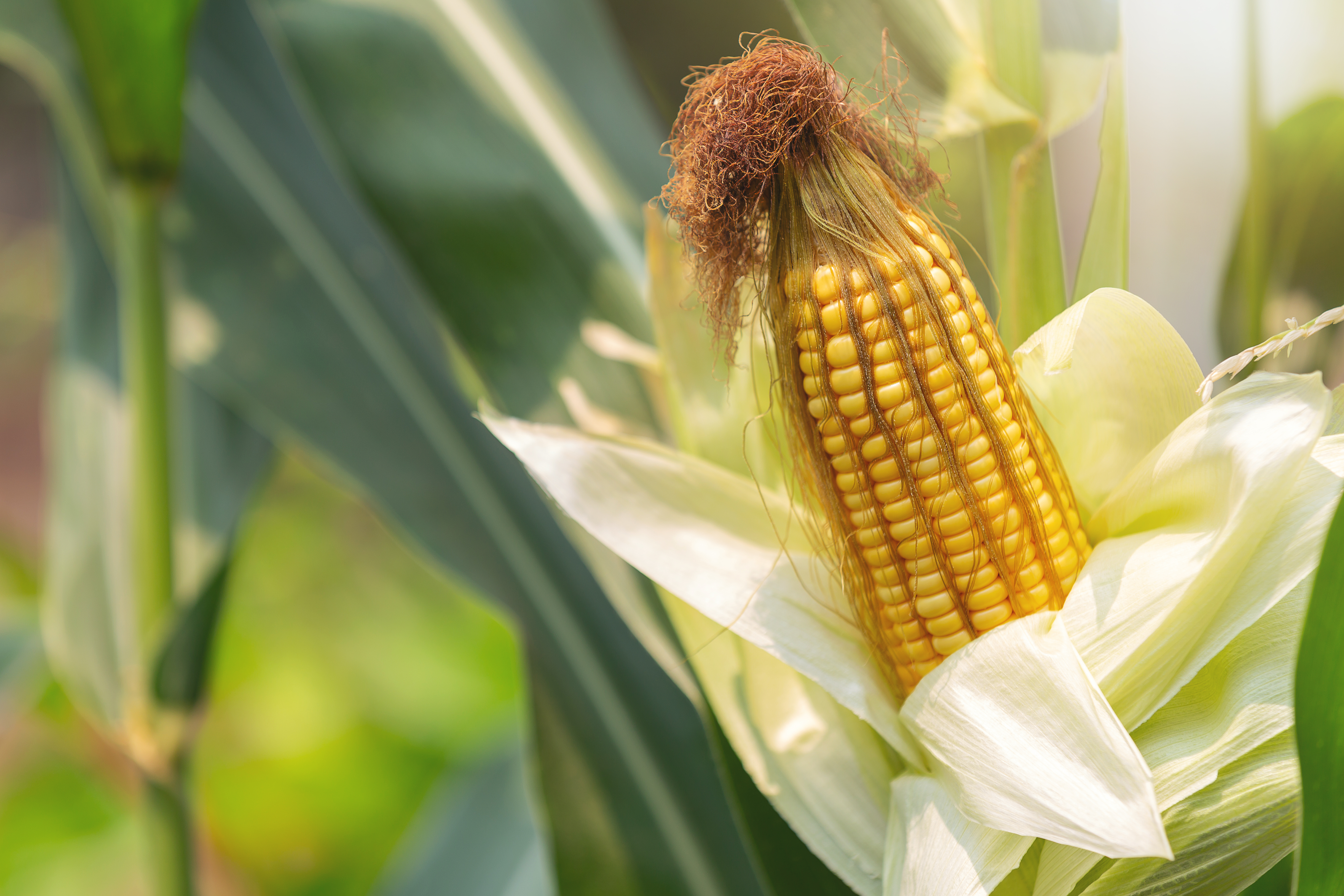
Corn is a very easy grass to grow, and the kernels are great for a tasty snack. Many native heirloom varieties are drought-tolerant and low-maintenance.
5. Movement and Seasonal Interest
Grasses are generally very light, and the slightest gusts of wind can make them sway beautifully. They offer visual appeal through various textures and colors, with many varieties providing vibrant color in the fall and structure during winter, which is an excellent way to have a vibrant garden year-round.
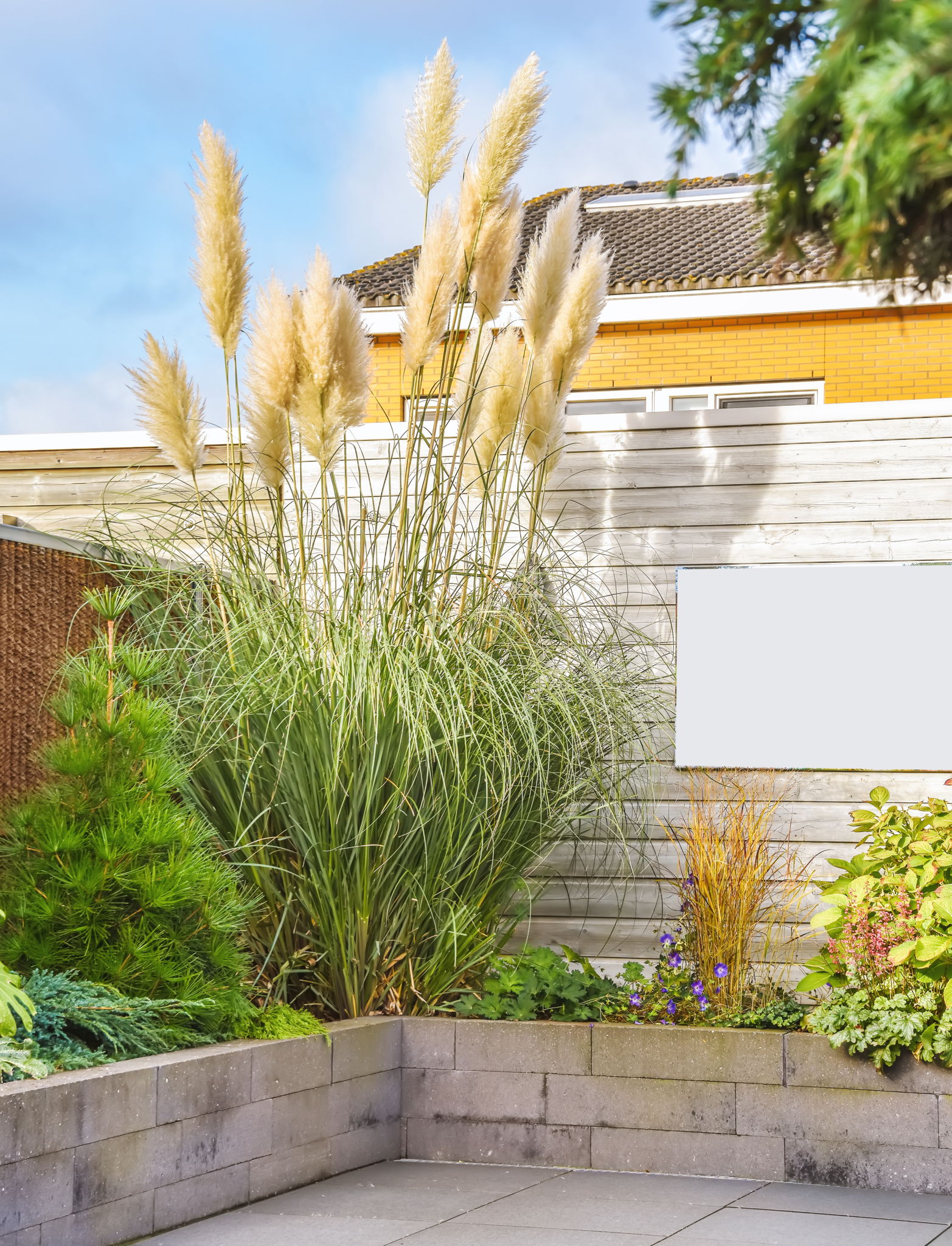
Grasses can help a patio feel more lively, a front porch feel more welcoming, and a herb garden feel more full during the winter months. Grasses also help to soften hardscaping. Molinia, feather grasses, and reeds are excellent considerations here.
6. Low-maintenance and Variety
Ornamental grasses are generally pest-resistant, disease-free, and require little fertilization. Most only need a single cutting back once a year. They last a long time, and grow deep, healthy roots that can tolerate very poor soils.
If you’re often busy, grasses are an excellent way to maintain a lively garden with very little work. There are grasses for every type of location - tall ornamental grasses to shade a patio or provide privacy, bushy grasses to fill out a landscape, and small groundcovers to help suppress weeds and create wildlife habitat.
Grasses are also well-suited to pots and containers, which can be very beneficial for grasses like bamboo, which are aggressive spreaders. Grasses can reliably be grown from seed and mature quickly, so if your local garden center doesn’t have many to choose from, you can grow one of the many thousands of varieties.
Some grasses can be very aggressive. Keep those varieties confined to patio pots to limit their spread, or choose a native variety instead.
7. Erosion Control and Soil Stability
Grasses are often pioneer species that move in first to a location. Many grasses are perfect to help you stop erosion on a steep slope, to provide stability while other plants take root. Creeping fescues and prairie grasses are well-suited and can also help wildflowers become established by providing shade and capturing morning dew on their broad leaves.
A Bonus Reason
They Work Everywhere
Grasses fit into every style of garden: cottage, modern, prairie, xeric, and woodland. They’re equally at home in borders, containers, pathways, and mass plantings. Designers love them because they make everything around them look better — they frame spaces, soften hard edges, and add cohesion without feeling heavy. You can tuck them into courtyards, patios, garden beds, ponds, and even narrow side yards where nothing else seems to work.
There’s truly a place for every grass, and a grass for every place — whether you need height, softness, movement, color, or simply a plant that makes the whole space feel more intentional.
Wrapping Up
Grasses are wonderfully versatile and fantastically beautiful. Because they can fit a wide range of conditions, they’re an excellent choice for any garden, no matter the shape or size. From culinary grasses to low groundcovers to tall ornamentals, there’s a grass for you if you go looking. Whether you’re after movement, wildlife habitat, drought tolerance, or simply a plant that asks for very little, grasses deliver.
Start with one or two varieties that suit your space, and you’ll quickly see how transformative they can be. Once you begin gardening with grasses, it’s hard to imagine a garden without them.